


Quick Snapshot: Entertainment Industry Trends 2023
– Economic Pressures: Inflation impacts on consumer spending.
– Streaming Consolidation: Mergers and partnerships becoming more common.
– Immersive Experiences: Rise of AR, VR, and MR in entertainment.
– Direct-to-Consumer Shifts: More sports media moving to DTC streaming.
– The Metaverse: Future planning and investment in immersive internet.
– Advertising Challenges: Shifts in ad spend and strategy in the digital age.
– Sports Media Evolution: Personalized fan experiences and data-driven insights.
Feeling overwhelmed by the whirlwind of changes in the entertainment sector? Wondering how these shifts could affect your facility or operations? You’re not alone. As 2023 unfolds, we’re witnessing transformative trends that could redefine the media and entertainment landscape. From economic pressures that shape how consumers spend on entertainment, to the consolidation of streaming services, the ground beneath is shifting. Immersive experiences are gaining traction, creating new frontiers with augmented reality (AR), virtual reality (VR), and mixed reality (MR). Direct-to-consumer models are shaking up sports media, while the Metaverse hints at a future of unparalleled digital immersion. Amidst these shifts, advertising challenges and the evolution of sports media highlight the need for innovation and adaptability.
The entertainment industry in 2023 is a complex puzzle, featuring emerging technologies and changing consumer behaviors. Whether you’re managing a sports facility or overseeing operations at a cinema, understanding these trends is vital. Let’s dive deeper into what these mean and how you can navigate the tides of change efficiently.


Economic Pressures on Media Consumption
Inflation, Streaming churn, Movie ticket sales, Live events
Impact of Inflation
As we dive into the entertainment industry trends 2023, one of the most pressing issues is the economic pressure on media consumption, primarily driven by inflation. This year, we’re seeing how rising prices and the cost of living are directly impacting how consumers interact with media and entertainment.
-
Streaming Churn: An interesting phenomenon highlighted by Antenna is the record-breaking 32 million U.S. consumers who canceled their streaming service in the third quarter of 2022 alone. This massive churn reflects consumers’ need to tighten their belts, possibly opting out of services that have become luxuries in tough times.
-
KPMG Survey Insights: A 2022 survey by KPMG further underscores the impact of inflation on entertainment spending. The data reveals that 20 percent of consumers have already canceled at least one streaming service due to inflation. Even more telling is that another 37 percent admitted they would cancel if the prices of other goods continue to rise. This indicates a significant shift in consumer priorities, where non-essential entertainment spends, like streaming services, are on the chopping block as people adjust to the economic climate.
-
Movie Ticket Sales and Live Events: It’s not just streaming services feeling the heat. The entire entertainment sector, including movie theaters and live events, is bracing for the impact of inflation. With consumers becoming increasingly selective about where they spend their money, discretionary spending on entertainment like movie tickets and live events is expected to decrease. This could lead to a challenging period for these segments, as they struggle to attract audiences who are cutting back on spending.
Inflation is reshaping the landscape of media consumption, pushing companies and consumers alike to adapt. As we navigate through these changes, it’s clear that understanding and responding to these economic pressures will be key for businesses in the entertainment industry to thrive in 2023 and beyond. Understanding these dynamics is crucial for us at TRAX Analytics as we continue to provide our clients with the insights and solutions they need to optimize operations and enhance guest experiences, even in challenging economic times.
The Rise of Immersive Experiences
In the entertainment sphere, 2023 is witnessing an undeniable surge towards immersive experiences that blend the real with the digital, creating environments that are more engaging and interactive than ever before. This shift isn’t just a trend; it’s a revolution that’s reshaping how we consume media and participate in entertainment. Let’s dive into the core technologies making this possible: Augmented Reality (AR), Virtual Reality (VR), and Mixed Reality (MR).
Technologies Transforming Entertainment
-
Augmented Reality (AR): AR adds digital elements to a live view often by using the camera on a smartphone. Examples of AR experiences include Snapchat lenses and the game Pokémon Go. AR is making its mark by enhancing how we experience everyday life, from shopping to social interaction.
-
Virtual Reality (VR): VR implies a complete immersion experience that shuts out the physical world. Using VR devices such as the Oculus Rift or Google Cardboard, users can be transported into a number of real-world and imagined environments. In 2023, we’re seeing this technology being used not just for gaming, but in real estate, education, and even healthcare to create fully immersive experiences.
-
Mixed Reality (MR): MR combines elements of both AR and VR, where real-world and digital objects interact. Microsoft’s HoloLens is one of the most notable MR devices, offering a glimpse into a future where your digital and physical worlds collide in the comfort of your living room.
The transformational potential of these technologies in the entertainment sector is monumental. Imagine attending a concert that’s happening across the globe in real-time from your living room, or walking through a historical site thousands of miles away as if you were there. This is the future we’re stepping into.
Broadcast media is also riding the wave of immersive technologies. News broadcasts, educational content, and even sports are experimenting with AR and VR to provide viewers with a more engaging and interactive experience. The goal? To not just watch content but to be a part of it.
The concept of the immersive internet takes things a step further, envisaging a future where our digital and physical realities are so seamlessly integrated that the line between them begins to blur. This is more than just technology; it’s a new way of experiencing the world.
At TRAX Analytics, we recognize the profound impact these immersive technologies can have on the entertainment industry and beyond. They offer unique opportunities for our clients in facility management and operations, allowing them to create unforgettable experiences for guests. Whether it’s through introducing VR experiences to enhance visitor engagement or using AR for interactive exhibits, the potential is limitless.
The rise of immersive experiences is not just about entertainment; it’s about creating deeper, more meaningful connections with the world around us. It’s an exciting time to be a part of this industry, and we’re here to help our clients navigate this new landscape, leveraging the latest in AR, VR, and MR to transform how they interact with their audiences.
Streaming Services Consolidation
In the rapidly evolving world of entertainment, streaming services are adapting to meet the changing demands of consumers and the pressures of the market. The strategies they’re deploying, such as bundling, focusing on content scale, curating niche offerings, and enhancing subscriber relationships, are pivotal. Let’s dive into how these strategies are shaping the future of streaming.
Streamers Bundle Up
The landscape of streaming is shifting from a fragmented collection of services to more cohesive, bundled offerings. This evolution is a direct response to consumer fatigue over managing multiple subscriptions and a strategic move to enhance value and convenience.
-
Soft Bundles: Initially, streaming services experimented with soft bundles. These are agreements where separate Direct-to-Consumer (DTC) services are packaged together at a discount. It’s akin to getting a deal on a meal by combining a burger, fries, and a drink rather than purchasing them separately. It’s a win-win; consumers save money, and providers potentially widen their subscriber base.
-
Hard Bundles: The next step in this evolution is the creation of hard bundles. Imagine having Netflix, Hulu, and Disney+ all accessible through a single app, with one monthly fee covering all services. This is where the industry is heading. By fully integrating distinct streaming services into one seamless experience, media companies can offer greater convenience and a more diverse content library in one place. This strategy not only makes life easier for the consumer but also helps streaming services differentiate themselves in a crowded market.
-
DTC Strategies: In addition to bundling, media companies are enhancing their Direct-to-Consumer strategies by tying streaming services to other lifestyle offerings. By bundling video subscriptions with e-commerce, music, or fitness services, companies can create a more integrated and appealing offering. This approach not only strengthens the customer relationship but also increases the perceived value of the subscription, making it harder for consumers to cancel.
Here at TRAX Analytics, we understand the importance of staying ahead in the entertainment industry. The shift towards bundled services represents a significant transformation in how content is distributed and consumed. It reflects a broader trend of service integration across different aspects of consumers’ lives, from entertainment to fitness and shopping.
As the industry continues to consolidate, standing out and retaining subscribers will require more than just competitive pricing or exclusive content. It will be about offering a comprehensive, integrated experience that caters to the diverse needs and interests of consumers. We’re excited to see how these trends will continue to unfold and what new innovations will emerge as streaming services adapt to the evolving landscape of media consumption.
Direct-to-Consumer Shifts in Sports Media
RSN challenges, DTC streaming, Fan engagement, NFTs
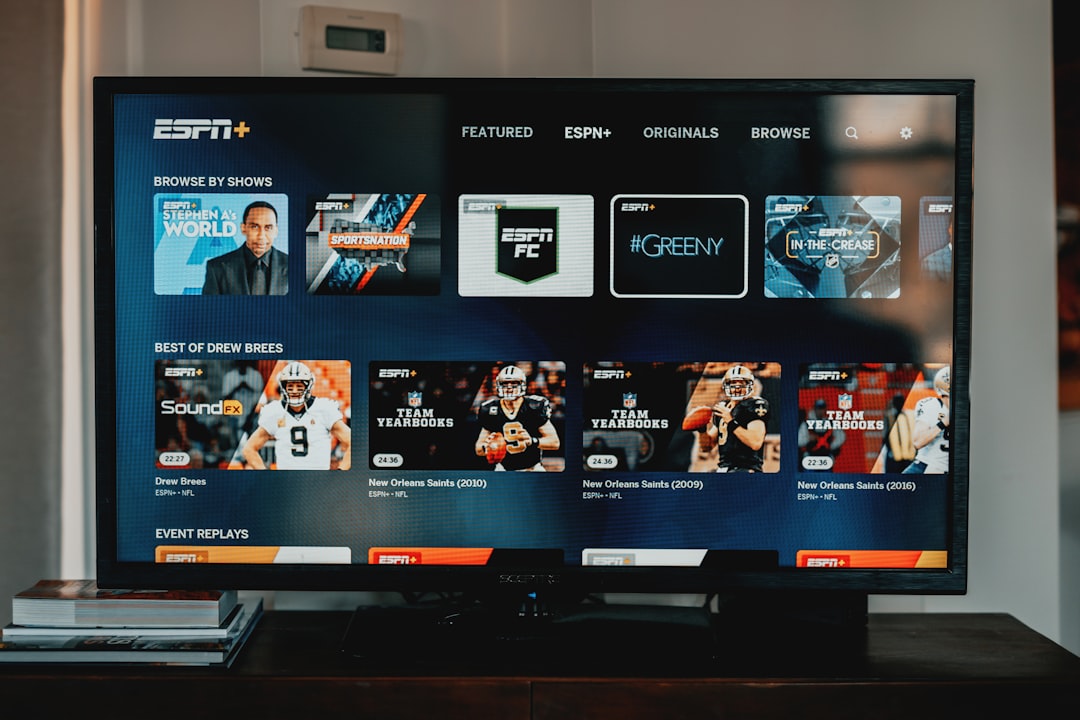
The landscape of sports media is undergoing a significant transformation, driven by the shifting preferences of consumers and the challenges facing Regional Sports Networks (RSNs). As more fans cut the cord and turn away from traditional pay-TV, the pressure mounts on RSNs, pushing sports leagues and teams to explore direct-to-consumer (DTC) streaming options. This shift not only aims to reconnect with disengaged fans but also opens up innovative avenues for fan engagement through digital collectibles like NFTs.
Regional Sports Networks Adaptation
Professional sports teams, League transactions, Streaming ventures
The adaptation of Regional Sports Networks is a multifaceted process involving professional sports teams and leagues rethinking their traditional broadcast models. As RSN revenues decline due to subscriber losses, the viability of the RSN business model comes into question. This has spurred professional sports teams and leagues to consider acquiring RSNs or forming streaming ventures as a way to take control of their content distribution and deepen their relationship with fans.
-
Acquisition and Ownership: By purchasing RSNs, teams and leagues can vertically integrate their content creation with distribution. This move not only secures a critical income source but also offers a direct channel to the fans.
-
DTC Streaming Ventures: Transitioning to DTC streaming platforms allows teams and leagues to offer personalized viewing experiences. These platforms can serve as hubs for live games, replays, exclusive content, and more, all tailored to the fan’s preferences.
-
Fan Engagement Through NFTs and Bundling: The ownership of RSNs or the launch of DTC platforms provides unique opportunities for fan engagement. Teams can offer bundled services including discounted tickets, exclusive merchandise, and even NFTs that serve as digital collectibles or unlock special fan experiences. Such strategies not only enhance the value proposition for fans but also foster a deeper sense of loyalty and connection.
-
Navigating Risks: Transitioning to a DTC model or acquiring an RSN comes with its set of challenges. Pricing strategies need to be carefully considered to ensure they cover rights fees without alienating fans due to high costs. Collaboration among multiple teams to offer a year-round content schedule could mitigate seasonal viewership drops and maintain steady engagement.

In Conclusion:
The direct-to-consumer shift in sports media represents a pivotal adaptation to the changing dynamics of how fans consume sports content. As RSNs face existential challenges, the move towards DTC streaming and innovative fan engagement strategies like NFTs offers a path forward. It’s a complex transition, requiring careful strategic planning and execution, but one that holds the promise of redefining the sports media landscape. For us at TRAX Analytics, understanding these shifts is crucial as they not only impact the broader entertainment industry but also present new opportunities and considerations for enhancing fan experiences at sports venues and beyond.
The Metaverse and Entertainment
NFTs, Digital identity, Blockchain, Immersive internet experience
The entertainment world is buzzing with the potential of the metaverse, a concept that’s quickly evolving from science fiction to a tangible future. At the heart of this digital universe are NFTs (Non-Fungible Tokens), digital identity, blockchain technology, and an immersive internet experience. Each of these elements plays a crucial role in shaping how we’ll interact with entertainment in the metaverse.
- NFTs are transforming ownership and the value of digital assets, making it possible to possess unique items in the digital world, from art to virtual real estate.
- Digital identity is about creating a persistent, unique identity that follows us across digital spaces, making interactions more personal and secure.
- Blockchain technology underpins these innovations, providing a decentralized and transparent framework for transactions and interactions.
- An immersive internet experience refers to a fully-realized digital world where we can engage with content, games, and each other in ways that blur the lines between digital and physical realities.
Preparing for the Metaverse
Strategic planning, R&D, Consumer research
As we at TRAX Analytics look towards the future, we’re focused on how these advancements in the metaverse will influence the entertainment industry and, by extension, the experiences we can offer within entertainment venues. Preparing for the metaverse involves a multi-faceted approach:
-
Strategic Planning: We’re mapping out how our services can integrate with and enhance metaverse experiences. Whether it’s through augmented reality features in our apps or leveraging blockchain for more secure and efficient operations, planning is key.
-
Research and Development (R&D): Innovation is at the core of adapting to the metaverse. We’re investing in R&D to explore new technologies and methodologies that can be applied in entertainment venues. This includes everything from digital asset management to immersive customer engagement tools.
-
Consumer Research: Understanding how people will interact within the metaverse is crucial. We’re conducting consumer research to gauge expectations, desires, and concerns about the metaverse. This insight will guide us in creating solutions that not only meet but exceed future needs.
The metaverse represents a frontier of endless possibilities for the entertainment industry. From immersive concerts and sports events to new forms of interactive content, the way we experience entertainment is on the cusp of transformation. For us at TRAX Analytics, staying ahead means continuously exploring, adapting, and innovating to meet the demands of tomorrow’s entertainment landscape. Our commitment is to remain at the forefront, ensuring that our clients and their guests can navigate the coming changes with confidence and excitement.
Advertising in the New Media Landscape
In entertainment and media, how companies get your eyes on their content is quickly changing. Let’s dive into what’s new and what’s challenging in advertising today.
Ad Spend Trends
First, let’s talk numbers. According to a recent iab survey, overall ad spending is expected to grow by 5.9% year-over-year from 2022. Seems good, right? But when we compare it to last year’s growth, which was 9% from 2021 to 2022, we see things are slowing down.
So, what does this mean for the entertainment industry trends 2023? It’s a mixed bag. CTV (Connected TV) and digital video are in the spotlight, shining bright as the areas expected to see more of this ad spend. These platforms are growing fast, and advertisers want in. Why? Because that’s where you are. More people than ever are streaming their favorite shows and videos, making these platforms prime real estate for ads.
But, it’s not all smooth sailing. The slower growth in ad spending signals challenges ahead, especially for media companies that heavily rely on advertising dollars. With a bit of a crunch on ad budgets, companies are going to have to be smarter about where they put their money. They’ll need to focus on what works and maybe cut back on what doesn’t.
For us at TRAX Analytics, understanding these shifts is crucial. Knowing where the industry is heading helps us guide our clients through the ever-changing landscape of media and entertainment. We keep an eye on trends like these so we can offer the most up-to-date advice and solutions.
In short, the advertising world within the media sector is evolving. With a push towards digital platforms like CTV and digital video, paired with the challenge of slower growth, companies will need to adapt quickly. And for those who can navigate these changes effectively, there are opportunities to capture the attention of audiences in new and exciting ways.
Evolution of Movie Theaters
In the ever-changing landscape of the entertainment industry, movie theaters are facing a pivotal transformation. The way people consume movies is evolving, leading theaters to adapt in order to thrive. Let’s dive into the entertainment industry trends 2023, focusing on box office revenue, film release strategies, and how theaters are recalibrating their operations.
Theaters Seeking Action
The core of movie theater evolution lies in understanding the changing dynamics of blockbusters, exhibitor strategies, and release calendars.
-
Blockbusters: It’s no secret that big-budget films, especially action and superhero movies, draw huge crowds to theaters. These films are the main drivers of box office revenue. Studios and theaters alike are keen on maximizing the returns from these mega-hits by leveraging advanced marketing strategies and creating premium viewing experiences, such as IMAX or 4D screenings.
-
Exhibitor Strategies: Theater owners are actively seeking ways to enhance the movie-going experience beyond the screen. This includes upgrading seating to be more comfortable, offering gourmet food and beverage options, and enhancing the overall ambiance of their venues. Additionally, loyalty programs are becoming more sophisticated, providing benefits that encourage repeat visits and increase consumer engagement.
-
Release Calendars: Studios and theaters are working together more closely to manage film release schedules effectively. The goal is to ensure a steady flow of films throughout the year, balancing blockbuster releases with other genres that attract different demographics. This helps in keeping the audience engaged and theaters busy, even during traditionally slower periods.
One key aspect of this evolution is the strategic decision by studios on which films to release in theaters versus those that go straight to streaming platforms. This decision is driven by the potential economic return of a theatrical release against the direct-to-consumer (DTC) model that streaming services offer. As noted in the EY report, studios are now more than ever, analyzing the genre, audience, and monetization potential of a film before deciding on its release strategy.
Theaters, on their end, are adapting to this new reality by becoming more flexible in their operations and financial models. The reduction in the number of films being released theatrically means theaters must maximize the profitability of each film shown. This includes adjusting showtimes, optimizing pricing strategies, and enhancing the overall customer experience to draw larger crowds.
In conclusion, the movie theater industry is at a crossroads, with the rise of streaming services and changing consumer behaviors posing significant challenges. However, by adopting innovative strategies and focusing on delivering exceptional experiences, theaters can continue to play a crucial role in the entertainment landscape. The entertainment industry trends 2023 highlight the importance of adaptation and innovation in ensuring the survival and success of movie theaters in this new era.
Frequently Asked Questions about Entertainment Industry Trends 2023
In the whirlwind that is the entertainment industry, keeping up with the latest trends is crucial. Here at TRAX Analytics, we’ve been watching the shifts and turns of the market. Let’s dive into some of the most frequently asked questions regarding entertainment industry trends 2023.
What is the future of the entertainment industry in 2023?
The future of the entertainment industry in 2023 is shaping up to be driven by immersive experiences, a steady growth in consumer spending, and the widespread adoption of AR/VR/MR technologies. As people crave more engaging and interactive content, industries are leveraging these technologies to create captivating, immersive environments. These aren’t just for gaming; they’re expanding into movies, live events, and even educational content.
How is the TV industry changing in 2023?
In 2023, the TV industry is undergoing a significant transformation. We’re moving towards virtual worlds and a digital-physical blend in content consumption. This means that the way we engage with TV shows, movies, and games is becoming more interactive and immersive. Technologies like AR and VR are not just enhancing, but reshaping our engagement with all forms of entertainment, making every experience more personalized and engaging.
What are the economic pressures on media consumers?
With the ongoing economic uncertainties, consumers are facing notable economic pressures. This is leading to streaming churn, as people evaluate their subscriptions and spending habits more critically. The impact of inflation is also palpable, influencing how much consumers are willing to spend on entertainment. These factors are pushing media companies to rethink their strategies, focusing on retention and value to keep consumers engaged.
In wrapping up, the entertainment industry trends 2023 are painting a picture of a sector in flux, driven by technological advancements and economic realities. Here at TRAX Analytics, we believe that understanding these trends is key to navigating the challenges and seizing the opportunities they present. Whether it’s through enhancing guest experiences in entertainment facilities or leveraging data analytics for better decision-making, staying ahead of these trends allows us to support our clients in adapting to the ever-changing landscape.
Conclusion
In the whirlwind of entertainment industry trends 2023, one thing is crystal clear: the landscape is evolving faster than ever. From the rise of immersive experiences to the strategic shifts in direct-to-consumer approaches, the ability to adapt, innovate, and plan strategically has never been more critical.
Adaptation is at the heart of thriving in this dynamic environment. For facility managers and operations managers, this means embracing new technologies and methodologies to enhance cleanliness, streamline processes, and improve overall guest experiences. It’s about being agile—ready to pivot when trends shift or new opportunities emerge.
Innovation is what will set us apart. At TRAX Analytics, we believe in pushing the boundaries of what’s possible. Whether it’s integrating advanced analytics into janitorial operations or leveraging AI to predict and meet facility needs, innovation is the key to staying ahead.
Strategic planning is our foundation. Understanding the entertainment industry trends 2023 offers us a glimpse into the future, allowing us to prepare and plan. It’s not just about reacting to changes; it’s about anticipating them and crafting strategies that ensure resilience and growth.
As we look towards the horizon, let’s remember that every challenge comes with an opportunity. The entertainment industry is no exception. By focusing on adaptation, fostering innovation, and committing to strategic planning, we can navigate the complexities of today’s landscape and emerge stronger.
When change is the only constant, let’s seize the moment to reimagine what’s possible in the entertainment industry. Together, we can shape a future that’s not only successful but also sustainable and exciting for all involved.