TRAX Analytics |

New Hire: Jayson Abraham Junior Project Manager

Junior Project Manager Jayson Abraham.jpeg (1)

Jayson Abraham, Our New Junior Project Manager

We are thrilled to welcome our new Junior Project Manager, Jayson Abraham! Learn more about Jayson and why he joined the team at TRAX Analytics.

Junior Project Manager Jayson Abraham.jpeg (1)
Jayson Abraham, New Junior Project Manager

Hello World! My name is Jayson Abraham, and I am excited to join TRAX Analytics as a Junior Project Manager!

I am from Orangeburg, SC, and a proud graduate of Morehouse College, where I earned my Bachelor of Arts in International Studies. Before joining TRAX Analytics, I was a contractor for Google, Inc. As a Project Coordinator, my responsibilities included data coordination, process documentation, and data management.

I look forward to building upon my project management skills and helping TRAX Analytics achieve its goals.

Outside of work, I am an aspiring professional background and session singer & songwriter. I have placed two songs on a local artist’s debut album and released one single of my own. I also enjoy spending quality time with friends and family, traveling, trying new restaurants, and shopping.

My advice for anyone looking to get into project management: Start at the bottom (project coordination) and become a sponge. Then take your knowledge and apply it to your organization.

2022 Smart Restroom Trends

2022 Smart Restroom Trends

2022 Smart Restroom Trends

Commercial building owners constantly seek ways to improve facility efficiency and create clean, welcoming spaces for visitors. A significant part of attaining this goal involves ensuring that restrooms are as hygienic as possible while providing users with comfort and convenience.

Smart restroom technology has been of immense value when meeting these demands and as its popularity continues to grow, let’s look at five commercial smart restroom trends.

IoT Smart Washrooms

A student and professor at the Department of Electronics Engineering of BHCOE Sevagram published a paper in 2020 that outlined a smart restroom design that uses IoT technology to improve sanitation practices in restrooms across India. The software, hardware, and communication components integrate seamlessly to pick up on elevated levels of ammonia and methane gases, sense water turbidity, and monitor restroom areas with infrared sensors. If successfully implemented, the IoT smart restroom solution will surely be one of several smart trends in 2022.

Smart Water Monitoring

Smart water monitoring systems seek to maintain better control over how much water is used to complete standard restroom tasks adequately. A Smart water monitor will track and conserve how much water is needed to flush a toilet and to enable handwashing in the sink. This move not only helps to reduce water waste but utility costs as well.

Sensors/Touchless Features

Touchless and sensor-based technology has been an essential part of commercial restroom development for several years. As such, this product will likely continue to trend throughout 2022 and the following decade.

Touchless soap dispensers, paper towel dispensers, hand sanitation stations, flushers, and door operators are highly sought-after elements of commercial restrooms. The market for smart restroom management systems is predicted to increase in value from the $8.3 billion it was in 2021 to an estimated $21.9 billion by the time 2031 ends.

Digital Faucets

Water-saving restroom technology is already a reality for both residential and commercial restrooms, but the use of digital faucets aims to increase the efficacy of water conservation. With this smart restroom technology, individuals can pre-select the water temperature they need before the faucet turns on, reducing wasted water while waiting for the desired warmth or coolness. The efficiency sensors also monitor water usage and help users view their water consumption more intelligently.

Smart Toilet Seats

Modern restroom features help improve cleanliness and water conservation, and smart monitoring can also track human health.

The recent design of a smart toilet seat measures a user’s blood pressure, stroke volume, and oxygen levels in the blood with clinical-level accuracy. While this item is currently marketed for residential restrooms, it will only be a short time before public and commercial restrooms start helping visitors monitor their health using the smart toilet seat.

Technology has provided a selection of simple tools that can prevent water waste, reduce the spread of disease and bacteria, and keep visitors satisfied by ensuring clean facilities for their use. As time passes, smart technology will only continue to grow in value and innovation.

6 Green Practices to Improve Casino Efficiency AND Sustainability

6 Green Practices to Improve Casino Efficiency AND Sustainability

6 Green Practices to Improve Casino Efficiency AND Sustainability

Rarely do casinos come to mind when most people think about energy efficiency and sustainable practices, but casinos are largely taking steps towards a greener existence. Adopting more eco-friendly procedures has become a regular part of business planning in the casino industry, and with the frequent advancements in technology, green practices are easier than ever to implement.

Let’s explore six green practices that casino management teams use to improve both their facilities’ efficiency and sustainability.

#1- Solar Energy

Solar energy isn’t a new source of electricity anymore, but until recently, it’s been underutilized by casinos. Now, several casinos have opted to cut energy costs by using more sustainable practices in terms of energy management. For example, the MGM Hotel and Casino in Las Vegas has had solar panels installed on the building’s roof, which now accounts for more than 90% of the business’s daytime energy provision.

On top of using renewable energy sources, casinos are also taking steps to reduce their overall energy usage, like reducing the availability of electronic slot machines and opening a greater number of gaming options that use in-person dealers.

#2- LEED Ratings and Green Building

Construction and building renovations have become more economically efficient as well, with several casino owners and building planners trying to design buildings and features that are more environmentally friendly. For many years, becoming LEED-certified or gaining a higher LEED rating has been a goal for casino-operating professionals. As such, greener designs have become quite a common trend.

The Green Building Council offers LEED Program resources to owners, builders, and designers who aspire to create efficient buildings with a lower carbon footprint. Not only is certification a positive step in the eyes of the public and the quality of the environment, but certification also rewards casino owners and operators with significant tax breaks for their efforts.

#3- Data Collection and Monitoring

Data collection and analysis are essential to developing green practices in and around casinos. For management teams to choose the right solutions, understanding where and how to improve is a must.

To make more efficient and sustainable choices in casino operations, owners and managers are utilizing data collection and analytical tools to create comprehensive reports about energy and water usage, visitor traffic, air quality, security, and the array of intricate processes involved in casino management.

Adopting a usage monitoring system enables casino professionals to collect data and easily determine where reductions or more efficient replacements can be made throughout the facility. For example, data might show that water waste contributes to high casino costs, which helps to pinpoint exact areas for improvement. To create a solution, management might install sensor-operated utilities and use recycled rainwater for toilets.

#4- Greener Cleaning Practices

Performing custodial and sanitation tasks using safer, less harsh cleaning agents is one of many simple changes casinos can make to improve sustainability. Cleaning teams are implementing safer alternatives to common cleaners, as well as limiting the use of one-time disposable cleaning tools.

Greener cleaning practices and supplies can help casinos lower the costs they’d typically incur when buying wasteful products. In addition, the use of gentler chemical cleaners can improve the air quality in the casino and reduce air and water pollution.

#5- EPA Collaboration

The Environmental Protection Agency has come up with several green solutions that casino management can use to improve efficiency and sustainability. ENERGY STAR, WaterSense, Integrated Pest Management, Safer Choice, and many other programs and incentives can prove exceptionally effective in improving casino processes in several performance areas:

  • Recycling
  • Green Cleaning
  • Renewable Energy
  • Building Practices
  • Kitchens and Food
  • Water Conservation
  • Transportation
  • Golf Course and Pool Efficiency

#6- Reduction of Food Waste

Among the most environmentally friendly casinos in the world, a common goal for owners and management teams revolves around food waste. Composting unused food, sourcing products locally, adjusting buffet hours, using smaller plates, and implementing food rescue programs have been essential elements of reducing food waste in casinos.

Reducing food waste in these ways will benefit the environment in general, but will also reduce costs that casinos would otherwise incur just to throw food in the garbage.

As eco-friendly business performance has become a key goal for companies in a variety of industries, green practices will likely continue to become more efficient and accessible in the years to come. As sustainable practices grow in popularity among casino owners and managers due to their cost-saving opportunities, they soon become a significant component of standard casino planning and operations.

Patrick Trevino Promoted to Executive Vice President

Patrick Trevino Promoted to Executive Vice President

Patrick Trevino Promoted to Executive Vice President

Congratulations to Patrick Trevino on his well-deserved promotion to Executive Vice President of TRAX Analytics. Today we’re celebrating him!

Patrick Trevino Promoted to Executive Vice President
Patrick Trevino, Promoted to Executive Vice President

Patrick has worked in Integrated Facility Management (IFM) in the aviation industry for over 15 years. He specializes in adopting and implementing new technology and developing sustainable and lean operational practices.

Patrick has a dual master’s degree in Environmental Sustainability from Southern New Hampshire University and an MBA in Project Management from Questrom School of Business, Boston University. He also has a B.S in Project Management from Southern New Hampshire University.

Outside of the office, Patrick enjoys golfing, barbecuing, and traveling with his family and friends. He looks forward to working with facility partners to create data-driven processes and drive sustainability practices.

“I’m excited to get back into operations and work with the TRAX team to continue to build robust processes. I look forward to working closely with our board to expand into global markets and continue growing the TRAX Brand.”

“Patrick has been an integral part of the TRAX organization since 2019. His professional background in facility management, operations, sales, and marketing has greatly impacted our organization from day one. His passion for our product, team and clients continues to shine daily. As TRAX continues to scale internationally, Patrick will oversee the organization’s day-to-day operations to ensure its continued success during our next growth phase. We are extremely thrilled that Patrick accepted the new position as Executive Vice President and are excited to have Patrick’s strong leadership skills in support of TRAX Analytics.” -said Tracy Davis, President, and CEO of TRAX Analytics

 How Janitorial Software Promotes Workplace Safety for Convention Center Employees
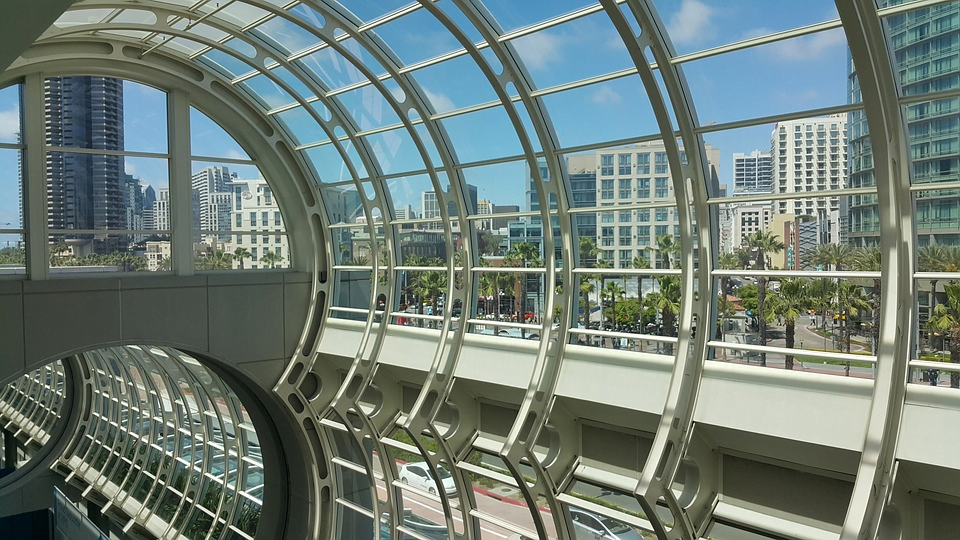
How Janitorial Software Promotes Workplace Safety for Convention Center Employees

How Janitorial Software Promotes Workplace Safety for Convention Center Employees

Business owners and managers often fail to appreciate the risks and hazards that janitorial operations present to cleaning staff. While custodial tasks don’t often come to mind as dangerous, an array of workplace hazards are quite common for cleaners. These include:

  • Chemical Exposure
  • Blood-borne & Biological Pathogens
  • Contracting COVID-19
  • Slips & Falls
  • Equipment-Related Injuries
  • Poor Workplace Ventilation

In convention centers, employees are particularly at risk due to the sheer number of people passing through the building at any given time. Limited staff availability and tight time constraints increase the potential for illnesses and injuries.

Fortunately, janitorial management software provides solutions that can significantly reduce workplace safety hazards and enhance custodial performance at the same time.

Promoting Employee (and Visitor) Safety

Part of encouraging safer employee practices involves understanding the way janitorial operations work. Using janitorial software enables custodial management to collect data and reports on facility traffic and the current quality of the janitorial team’s performance.

Using software and data helps to pinpoint concerns and inconsistencies so that managers can address potential hazards and take steps to correct them.

For example, janitorial software can be used to determine when further training is needed and how much time is needed to perform key tasks during janitorial scheduling. Efficient time and task management limit the need to rush from one area of a convention center to another, reducing careless mistakes and avoidable injuries.

Further, with janitorial inspection software, managers can gain insights into janitorial procedures, like ensuring that chemicals are properly diluted, equipment is in working order, and pathogens are cleaned up with the right chemical.

Janitorial Management Software Features

In addition to the scheduling and inventory management features of janitorial software and smart restroom technology, these programs can enhance employee and workplace safety in the following ways:

  • Real-Time Alerts: Alerts notify custodial teams of sudden incidents that need to be immediately addressed (clogged toilets, water leaks, wet floors, etc.), which keeps team members aware of their surroundings and helps limit falls.
  • Corrective Reports: These reports pinpoint potential risks tied to employee performances, which gives management the opportunity to provide training. Reports ultimately correct the issue before it leads to a chemical accident or equipment malfunction.
  • Traffic-Based Scheduling: Scheduling cleaning times during low-traffic times limits the need for custodial staff to rush through cleaning tasks. This reduces the risk of injuries or careless mistakes with chemicals and equipment.
  • Cleaning Data Analysis: Data analysis provides teams with steps they can take to reduce cleaning times, focus on areas of need, and improve the quality of their work without becoming overworked.
  • Inventory Triggers: These notifications alert management when inventory needs to be restocked or reordered. As such, cleaners, soaps, toilet paper, and other hygiene materials are always available, which reduces the spread of pathogens that risk the well-being of staff and visitors alike.

Technological development and innovation pave the way toward the most efficient janitorial practices. Utilizing janitorial software and staying up to date with OSHA guidelines are key components of any custodial improvement plan for convention centers.

Customer service is the key to success #tidbitswithtracy

YouTube video

On our latest ep of Tidbits with Tracy, Tracy meets with Karen Ellis, the Chief Customer Experience Officer of the San Antonio Airport System.

You will hear from Karen Ellis about the following:
1️⃣ How she started in the aviation industry over 20 + years ago.
2️⃣ Her love for helping people led her to customer experience.

🧠 You’ll learn how important the customer experience is in airports and what an excellent experience looks like.

👇 What’s your favorite airport ✈️?

What to Expect: The Future of Cleaning in Schools

What to Expect The Future of Cleaning in Schools

What to Expect: The Future of Cleaning in Schools

As students become more aware of hygiene significance, cleaning schools has become paramount to the slow return to normalcy. Parents, administrators, students, and staff alike have pushed for more thorough cleaning practices in educational facilities.

As such, sanitation technology is receiving significant attention in today’s environment. Hygiene products and procedures are continuing to evolve, and soon, we might see the following improvements becoming the norm in schools across the country.

Enhanced Cleaning Regimens

In the near future, custodial management teams will likely utilize the newest and most effective cleaning products available on the market. Not only is the ability to kill harmful bacteria and virus cells of utmost concern, but the desire to use products that are gentler on the environment will likely push the adoption of better cleaners. Managers want to improve cleaning routines and procedures in school buildings, and at the same time, they want to use products that produce fewer fumes. Products that do not harm the human respiratory system and the ozone layer will likely play a role in the future of cleaning schools.

Technology Upgrades

Schools will likely implement more hygiene tools as sanitation technology continues to develop. For example, a change already underway involves installing handwashing and hand-sanitizing stations throughout buildings. Signs displaying proper handwashing techniques may also be posted in restrooms and around sinks.

Finally, removing hand dryers from restrooms may be on the agenda, as these machines spread harmful bacteria when single-use paper towels dry the hands without introducing extra pathogens.

The anticipated change will contribute to the improvement in the student and overall learning experience. A cleaner environment will enhance the freshness of people living in it. These convenient regimens will enable students to focus more on their studies while worrying less about hygiene.

Electrostatic Spraying Devices

The use of electrostatic sprayers has become a topic of interest for committees and teams that manage custodial services in large indoor spaces, like school buildings. Because these spraying devices apply a positive charge to the dispersed cleaners, the liquid becomes attracted to negatively charged surfaces. This results in better coverage and adherence of cleaners to surfaces without the need for scrubbing, which allows for more effective cleaning practices for custodial staff.

Improved Sanitation Performance

Custodial managers will likely aim to improve the professional skills of custodial staff members soon. Managers need to examine several factors that affect sanitation performance to enhance custodial services and the efficacy of standard procedures.

  • Hiring practices and training material, both of which can ensure the employment of professional cleaning staff
  • Cleaning plans and requirements so that custodial staff are aware of the facility’s expectations
  • Working conditions for custodial teams can improve safety and overall job satisfaction.
  • Regular evaluations to ensure quality and provide training modules for improved performance among custodial teams

It’s in the best interest of every individual who frequents school facilities to step into an environment that’s safe, clean, and ready for instruction. Providing the best possible sanitation practices improves human health and wellness in and out of schools and enhances teachers’ and students’ abilities.

Flagship Testimonial Video- 60 Seconds

YouTube video

Check out our first client testimonial video with Flagship Facilities Services. Learn how TRAX technology improves the facilities management industry by providing our clients with one platform to manage their data. Watch the full video and learn how we can help your operations.

Client: Flagship Facilities Services
The Benefits: The TRAX technology has helped Flagship produce greater visibility into passenger trends, peak use times, personnel saturation, and total cleaning time.

Book a Demo