Case Studies
Real clients, real buildings, and the numbers they cleared us to publish. Every story here has a name on it.
The proof
See how real facilities run on TRAX.
Airports, private clubs, and the service companies that clean them. Where a client has cleared specific numbers, you will see them. Where they have not, you will still see what changed and how it ran.
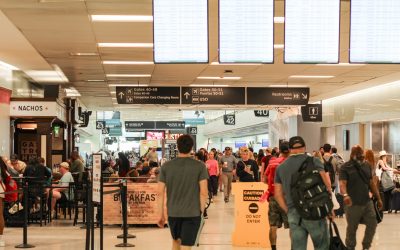
Two airports, 73 restrooms, and cleaning schedules built on flight data instead of guesswork. Houston Airport System reported $300,000 in inventory savings in six months after deploying TRAX across its terminals.
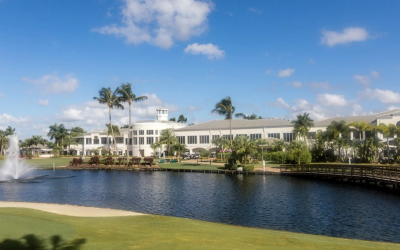
A private Wellington, FL club partnered with TRAX to build the first-ever Clean + Inspect system designed for the country club industry — tracking cleaning frequency across all 60 locations and turning nightly inspections into verifiable data.
Flagship provides janitorial, maintenance, and integrated facility management services to airports across the country. TRAX gives Flagship’s teams and its airport clients the same live view of what has been cleaned, when, and by whom.
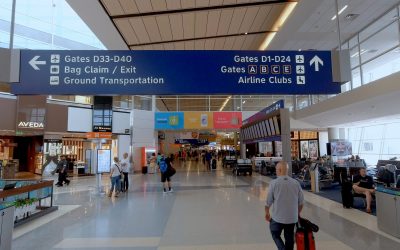
DFW ran a competitive RFP for smart restroom technology and asked vendors to price more than eight different features and sensor types. TRAX won it, ran a pilot on a single pair of restrooms, and then installed the system across 163 restrooms in five terminals in five months.
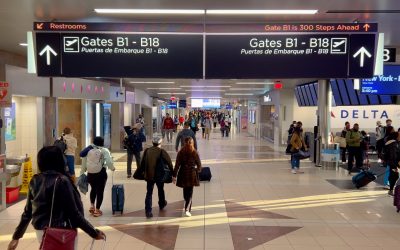
Atlanta Airlines Terminal Company operates more than 7 million square feet at the world’s busiest airport. AATC brought in TRAX to put restroom cleaning, passenger throughput, and passenger feedback on one screen. It started with 36 restrooms. Three years later it added 66 more.
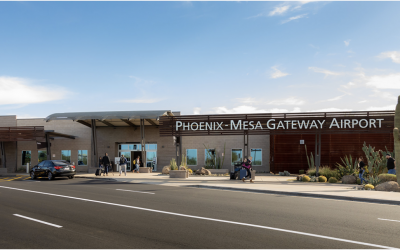
Flagship Facility Services runs facility operations at Phoenix-Mesa Gateway Airport. Its operations manager was spending the shift at a desk producing the reports that proved the work, instead of on the floor where the work was happening. TRAX changed where he could stand.
JCM provides facility management and janitorial services across six markets, from airports and stadiums to schools and hotels. As it grew, it needed one quality control standard that held in every one of them. It got there with Clean+Inspect, and without installing a single sensor.
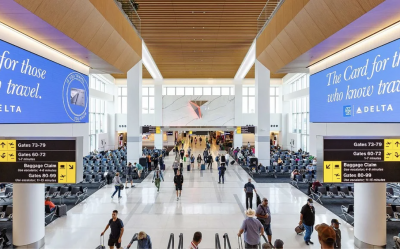
TRAX has supported janitorial operations at JFK for more than three years. In 2022, Delta and JFKIAT brought the platform into Terminal 4 — phased across two concourses and the Headhouse, with a passenger feedback tablet at the exit of every restroom.
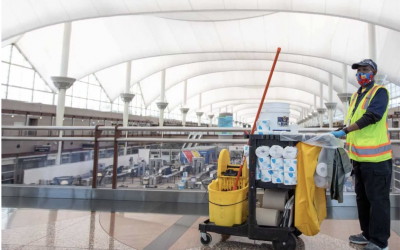
DEN is one of the five busiest airports in North America, and an airport that takes its architecture and passenger experience personally. Flagship Facility Services deployed TRAX across 105 restrooms, put a tablet on every cart, and spent days on site making sure the frontline team was comfortable with it before anyone called it live.
TRAX configured over 230 locations across Square’s St. Louis corporate office without anyone setting foot on site. Flagship installed 16 beacons and a set of QR codes, and the deployment was live.
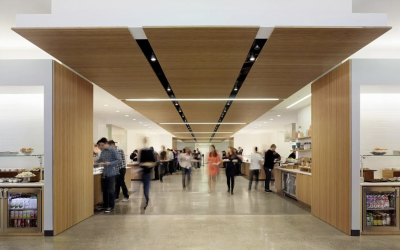
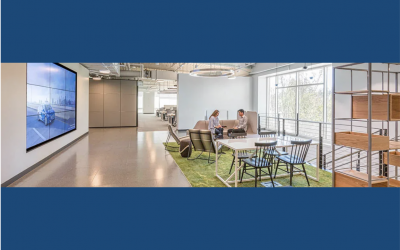
Ford set out to build the office of the future at its Dearborn corporate offices. The offices had just been renovated, which set the hardest constraint on the project: every sensor, display and beacon had to fit the design of the space it was measuring.
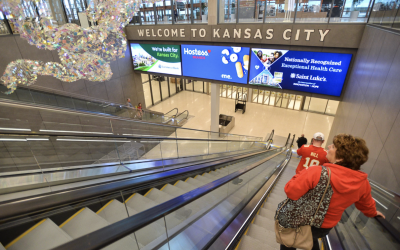
Kansas City opened a $1.5 billion terminal in February 2023 with 40 new gates, a sensory room, a plane simulator, and restrooms — including gender neutral restrooms — built connected from day one.
TRAX has been at LaGuardia for more than five years, through a change of facility management contractor and through active terminal construction. In 2021 the license transitioned to JLL and the expansion began — 14 new restroom locations, delivered in phases, around a terminal that never stopped operating
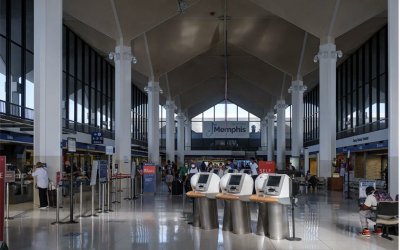
Memphis has been modernizing its concourses through a program totaling over $500 million. As part of the Concourse B work, the airport selected TRAX to run eight restrooms on a loop that starts with passenger throughput and ends with a quality control check.
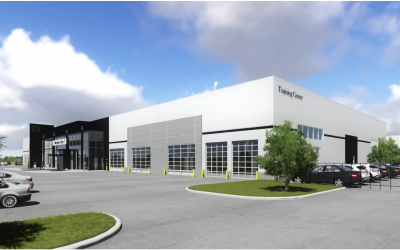
Flagship manages facilities for Mercedes-Benz USA. When it brought TRAX into the corporate headquarters, the building was not yet back at full capacity — so the deployment had to work for spaces used constantly and spaces used occasionally, and hand the data to Mercedes-Benz IT in a form its own dashboards could read.
Flagship had already proved Clean+Inspect at the Mercedes-Benz headquarters in Sandy Springs. Grapevine is what happened next: two more buildings, 26 beacons, and the same API feeding the same corporate dashboards.
SJC became the first California airport to earn GBAC STAR accreditation for cleanliness and safety. Behind it is a staff monitoring system that shows Flagship and the airport where crews are and how long each task takes, in real time.
Flagship deployed TRAX across TPA at the height of the pandemic. The 58 throughput counters that went in to manage disinfection demand ended up doing something else: they tracked passenger traffic all the way back up, and Flagship staffed to what was actually happening.
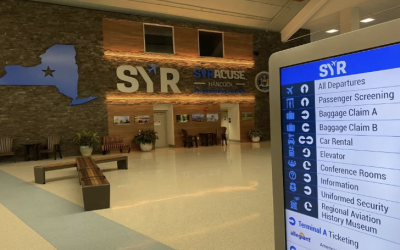
Syracuse set out to digitalize its entire cleaning operation, and got back four things it did not have before: its peak hour, its busiest day, how long a restroom actually takes to clean, and its highest-used consumable.
In a facility this size, the cost is not the cleaning. It is the walking. Sodexo’s teams were spending an estimated 30 to 40 minutes moving between cleaning tasks across the site — until the system started telling them which areas did not need them yet.
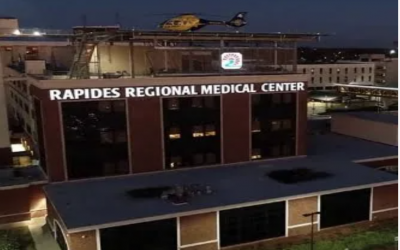
In a hospital, a restroom that needs attention needs it now. Rapides Regional Hospital put connected dispensers, throughput counters and feedback tablets behind its cleaning schedule, and moved from cleaning on a rotation to cleaning on demand.
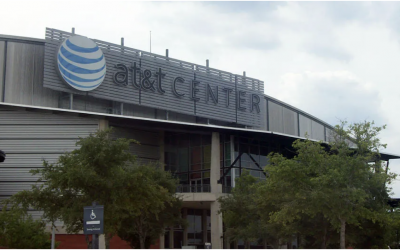
The Spurs ran Clean+Inspect for 90 days as the arena reopened to the public, then signed a contract to take it facility-wide — locker rooms, suites, fan seating, back of house and offices.
Two custodial staff cover twelve locations at Riverside Convention Center, including six restrooms, through events with more than 4,000 people in the building. Clean+Inspect was brought in to answer a question the schedule could not: is two enough?
Flagship set out to run RDU on a hybrid model — part scheduled, part demand-driven. Thirty passenger-facing restrooms were fitted with a throughput counter, a proximity beacon and passenger feedback capture. The whole installation took under three hours.
When Flagship took on janitorial services across both terminals at SJC, it needed to prove cleaning frequency and duration, not just report them. Bluetooth badging made every arrival, duration and departure a matter of record.
In a hospital, a restroom that needs attention needs it now. Rapides Regional Hospital put connected dispensers, throughput counters and feedback tablets behind its cleaning schedule, and moved from cleaning on a rotation to cleaning on demand.