
Introduction to Entertainment Technology Courses
Are you constantly grappling with ways to improve your facility’s appeal, attract more visitors, and create memorable experiences? The truth is, the solution may just lie in understanding how entertainment technology can be used to unlock creativity. To fully comprehend this, entertainment technology courses present a wealth of knowledge that allows you to chart new paths in enhancing guest experience. At TRAX Analytics, we believe in harnessing technology to deliver innovative solutions, and this understanding is key to our insight-driven approach.
Entertainment technology courses offer you the keys to an exciting world, where technology meets creativity resulting in extraordinary experiences. From the theatrical and film worlds to the exploding realm of augmented and virtual realities, these courses open up an expansive landscape of opportunities. The media and entertainment sector continues to evolve each day, and the ability to stay on top of these changes is significantly enhanced through learning.
These courses provide a deep exploration of the primary entertainment vehicles that students and tech-savvy individuals engage with daily. They offer a critical evaluation of emerging technologies and how they are shaping art forms, genres, and styles across theater, films, and integrated media events. The ultimate goal is producing innovative storytellers adept at crafting dynamic and immersive content.
Quick Overview of Entertainment Technology Courses
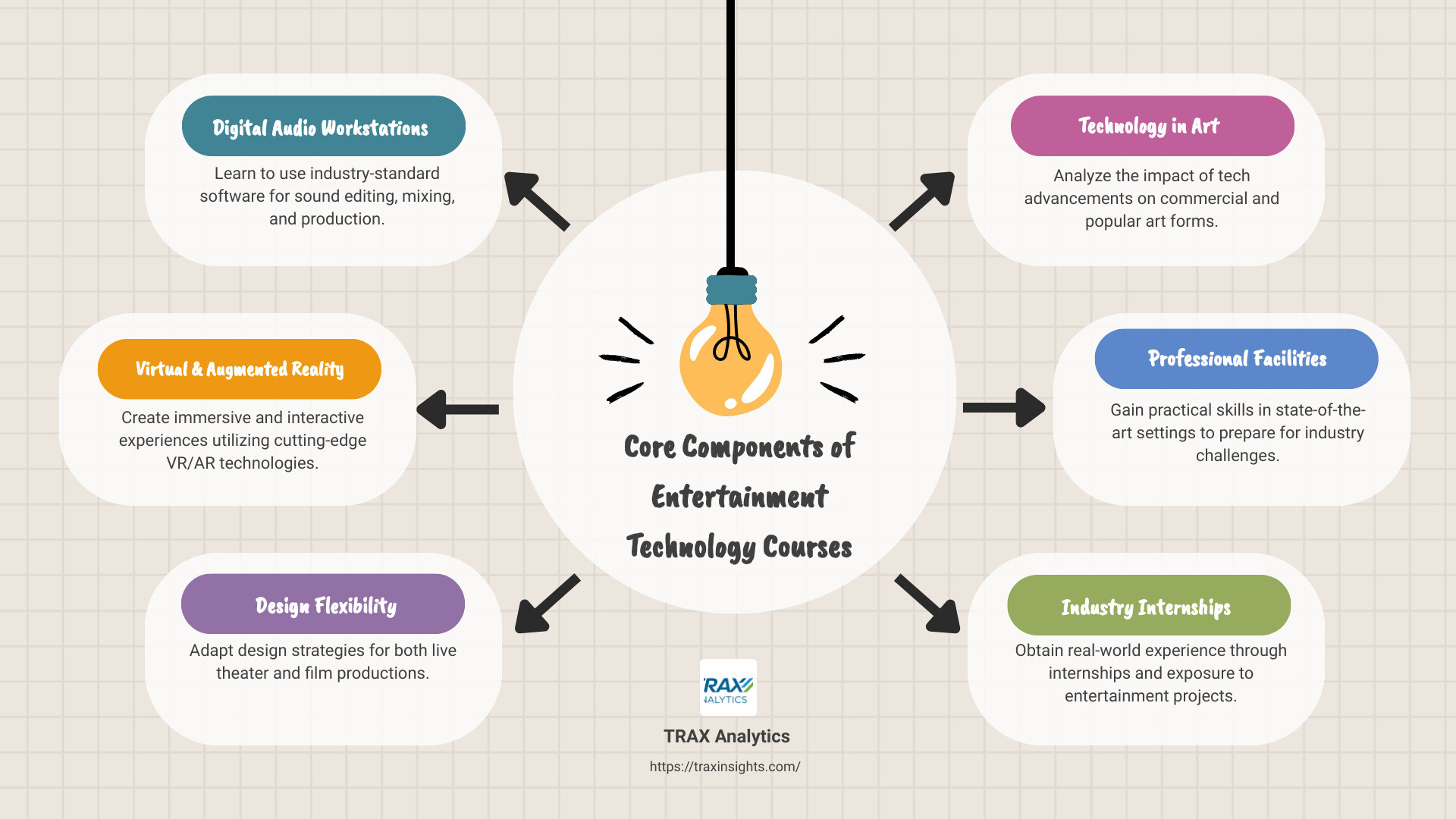
Here’s a snapshot of what you can expect to learn from an entertainment technology course:
- Understanding and application of digital audio workstations for sound production
- Incorporation of virtual and augmented reality to create immersive experiences
- Flexibility within design and technology in both theatrical and film worlds
- Analysis of how technology has transformed various forms of commercial and popular art
- Hands-on experiences in professional settings with access to state-of-the-art facilities
- Opportunities for internships and other practical exposures within the entertainment industry.
As the entertainment sector continues to evolve at a rapid pace, a comprehension of entertainment technology becomes not just an advantage, but a necessity. The power to harness technology creatively is essential in crafting experiences that resonate and connect with today’s audiences. We implore you to join us as we dive deeper into entertainment technology courses – their significance, offerings, and impact on the entertainment industry and beyond.
Understanding the Entertainment Technology Degree
What is an Entertainment Technology Degree?
An Entertainment Technology Degree is an all-encompassing program that provides the necessary skills and knowledge to meet the evolving needs of the entertainment industry. This comprehensive curriculum covers diverse areas such as Animation, Game Development, Post-Production, and Visual Effects, to name a few. Courses are rigorous, ensuring students acquire a deep understanding of the technology and tools at the heart of the industry.
At Western Carolina University, for instance, the Bachelor of Fine Arts in Theater with a concentration in Entertainment Design and Technology focuses on design and technology in both theatrical and film worlds. Students learn from accomplished faculty in state-of-the-art facilities, with a mix of classroom learning and hands-on experience.
The Importance of Entertainment Technology in Today’s World
As we continue to navigate the digital age, entertainment technology has never been more critical. It is fundamentally transforming how we create, consume, and interact with content. From stunning visual effects in movies to immersive gaming experiences and beyond, technology has breathed new life into the entertainment industry.
Moreover, as we at TRAX Analytics have observed, technology has made entertainment more accessible than ever. With a smart device and a stable internet connection, audiences worldwide can access a vast array of content at their fingertips. This global reach has opened up new opportunities for creators and businesses in the entertainment sector.
The Changing Needs of the Entertainment Industry
The entertainment industry is a dynamic and ever-evolving landscape, fueled by technological innovations and changing consumer behaviors. This constant evolution demands professionals who are not only adept at leveraging the latest technology but can also anticipate and adapt to future changes.
For instance, the rise of virtual reality (VR) and augmented reality (AR) technologies has led to new forms of immersive entertainment, from VR concerts to AR games like Pokémon Go! Likewise, advancements in sound and lighting technologies have revolutionized live performances and events.
As such, the industry is in dire need of individuals who can navigate these changes and harness them to create compelling experiences. And that’s where entertainment technology courses come in. These programs equip students with the technical proficiency and creative thinking skills to stay at the forefront of the industry, whether it’s in traditional media like film and theater or emerging platforms like VR and AR.
In the next section, we’ll delve deeper into the variety of entertainment technology courses available, highlighting their unique offerings and how they prepare students for a successful career in the industry.
Exploring Different Entertainment Technology Courses
Education is a vital step on the path to a successful career in entertainment technology. There are several courses and degree programs available that cater to diverse interests within this field, each providing a unique perspective and valuable skills to help unleash your creativity. Let’s take a closer look at some of these programs.
Bachelor of Fine Arts in Theater with a Concentration in Entertainment Design and Technology
The Bachelor of Fine Arts in Theater with a Concentration in Entertainment Design and Technology is a comprehensive program that combines both theory and practice. This program is designed to provide a holistic understanding of entertainment design and technology in both the theatrical and film worlds.
Courses such as Lighting Design, Entertainment Drafting, Costume Design, Sound Technology, and Stage Management provide practical knowledge and hands-on experience. Students also have the opportunity to gain real-world experience through internships and other practical opportunities.
Valencia’s Live Entertainment Design & Production Degree Program
Valencia’s Live Entertainment Design & Production degree program is a unique program that prepares students for the production aspects of the entertainment industry. The program offers specializations in Production Design, Live Show Production, and Audio Visual Event Production, providing a tailored learning experience based on students’ interests.
The program prepares students for various jobs including Lighting Technician, Technical Director, Stage Manager, Sound Technician, Scene Designer and more. The vibrant entertainment industry in Orlando provides a wealth of opportunities for graduates of this program.
The Entertainment Technologies Program
The Entertainment Technologies Program is a broad program that covers areas such as Animation, Game Development, Post‐Production, and Visual Effects. This program equips students with comprehensive and rigorous skill sets that are designed to meet the changing needs of the entertainment industry. Students gain a robust understanding of the technical and creative aspects of entertainment technology, enabling them to navigate and innovate in a rapidly evolving industry.
Course on Emerging Technologies in the Field of Entertainment
A course on emerging technologies in the field of entertainment is an excellent choice for those interested in the intersection between technology and art. This course explores the role of digital audio workstations, interactive toys, robotics in art, 3D projection mapping, VR, AR, and more in shaping the entertainment industry.
The course also examines how these technologies have created new art forms and influenced styles and genres across various sectors of entertainment. This holistic view of entertainment technology provides students with a deep understanding of the expansive role of computing technologies in commercial and popular art.
To summarize, there are a variety of entertainment technology courses available, each with unique offerings. Whether you’re interested in theatrical design, live show production, game development, or emerging technologies, there’s a program out there for you. These courses are not just about gaining technical skills; they’re about unlocking creativity, pushing boundaries, and shaping the future of entertainment.
The Practical Aspects of Entertainment Technology Courses
One of the key aspects that sets entertainment technology courses apart is the practical, real-world experience they offer. These programs are much more than just classroom lectures and theory-based exams. They provide students with hands-on training in state-of-the-art facilities, internships, and practical experience opportunities. This approach not only equips students with the technical skills required in the field, but also fosters creativity, innovation, and problem-solving abilities.
Hands-on Experience in State-of-the-art Facilities
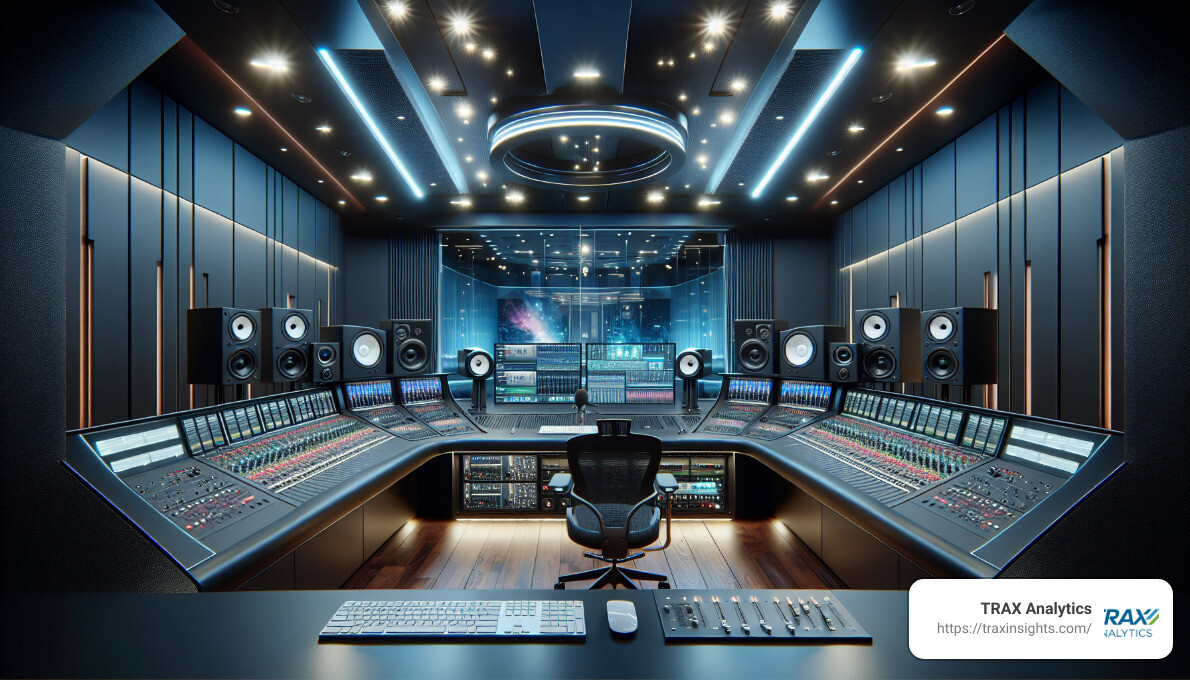
Most entertainment technology programs place a significant emphasis on practical, hands-on experience. At Western Carolina University, for example, students have the opportunity to learn in state-of-the-art facilities. These environments are designed to simulate the professional settings students will encounter in their careers, offering a realistic glimpse into entertainment technology. This practical learning is often augmented with courses like Lighting Design, Entertainment Drafting, Costume Design, Sound Technology, and Stage Management.
Internships and Practical Experience
Real-world experience is paramount in the entertainment industry. That’s why many entertainment technology courses incorporate internships and other practical experience opportunities into their curriculum. These experiences allow students to apply their classroom learning in professional settings, gain valuable industry insights, and build a network of professional contacts.
At the Entertainment Technologies program at Wayne Community College, for instance, students are prepared for entry-level positions in concert or event setups, with recording companies, or sound/lighting companies. These positions provide students with firsthand experience of the industry, preparing them to manage their own careers in the entertainment sector.
Access to Accomplished Faculty
Another unique feature of entertainment technology courses is access to accomplished and innovative faculty members. These instructors typically have extensive industry experience, giving students the opportunity to learn from professionals who have been successful in their field. This also allows students to gain insights into the latest industry trends and practices, equipping them with the knowledge and skills to stay ahead in the rapidly evolving entertainment industry.
At TRAX Analytics, we understand the importance of practical learning experiences in shaping the future leaders of the entertainment industry. Our solutions, such as SmartRestroom and Clean+Inspect, leverage cutting-edge technology to enhance operational efficiency and guest experiences in entertainment facilities. By integrating these technologies, students of entertainment technology courses can gain a comprehensive understanding of how data-driven decisions and resource optimization can revolutionize the industry.
To sum up, the practical aspect of entertainment technology courses plays an essential role in preparing students for their future careers. Through hands-on experience in state-of-the-art facilities, internships, and access to accomplished faculty, students can unlock their creativity and develop the skills necessary to succeed in the dynamic and exciting world of entertainment technology.
Career Opportunities in Entertainment Technology
As we transition from the practical aspects of entertainment technology courses, let’s explore the promising career paths these programs can lead to.
Set Designer, Lighting Director, Production Director, and Other Creative Professions
Entertainment technology courses empower students to step into a variety of creative professions. For instance, upon graduation, you might find yourself designing captivating sets as a Set Designer, or shaping the visual mood and atmosphere of productions as a Lighting Director. If you have a knack for overseeing the big picture, a Production Director role might be more your speed, managing the overall organization and execution of a production.
Lighting Technician, Technical Director, Stage Manager, Sound Technician, Scene Designer
If you prefer working hands-on with the technical aspects of a production, a range of roles await you. You could light up the stage as a Lighting Technician, or take control of the technical operations of a show as a Technical Director. If coordination and organization are your strong suit, you might thrive as a Stage Manager, ensuring the smooth running of performances. Sound Technicians and Scene Designers also play crucial roles in bringing productions to life.
Entry-Level Crew and Production Assistants in Concert or Event Setups
Starting out in the entertainment industry, there are also numerous entry-level positions that can set you on the path to success. You might find yourself working as part of a crew setting up for concerts or events, or assisting with production tasks in a recording studio or with a sound/lighting company. These roles offer valuable experience and the opportunity to learn from industry professionals.
Moreover, the U.S. Bureau of Labor Statistics projects a 9% growth in employment for broadcast, sound, and video technicians from 2019 to 2029. This is a clear sign of the promising opportunities in the field of entertainment technology.
Regardless of the role you start in, the skills and knowledge gained from entertainment technology courses can open the door to numerous possibilities in the entertainment industry. We at TRAX Analytics understand the importance of evolving with technology and the significant role it plays in the entertainment sector. Whether you are a facility manager or operations manager, our solutions can help streamline your processes and enhance guest experiences.
The Future of Entertainment Technology
The entertainment industry is an ever-evolving landscape where technology and creativity intertwine to create immersive experiences. Enrolling in entertainment technology courses is like setting foot on a journey into this exciting future. Let’s take a closer look at the projected growth of the industry and the expanding role of computing technologies in commercial and popular art.
The Projected Growth of the Entertainment Technology Industry
The entertainment technology industry is poised for significant growth in the coming years. According to the U.S. Bureau of Labor Statistics, overall employment of broadcast, sound, and video technicians is projected to grow 9 percent from 2019 to 2029. That’s much faster than the average for all occupations. This growth is expected to stem from businesses, schools, and entertainment industries seeking to improve their audio and video capabilities, leading to an estimated 15,900 job openings each year over the decade.
The Expanding Role of Computing Technologies in Commercial and Popular Art
In the realm of entertainment technology, the common thread has been the ever-expanding role of computing technologies in all forms of commercial and popular art. From the digital audio workstation to the 3D projection mapping, computing technologies have been essential in shaping and even creating new art forms. In recent years, we’ve seen the explosion of commercially accessible virtual and augmented realities, contributing to the transformation of styles and genres across theater, recording music, feature films, and integrated media events.
At TRAX Analytics, we’re focused on how we can innovate important aspects of life with technological advances, including the entertainment industry. By leveraging cutting-edge technology, we are able to streamline operations and elevate the overall guest experience. We understand that technology is not just a tool, but also a catalyst for creativity, and we are committed to staying at the forefront of these advancements.
As we look to the future, we anticipate that the knowledge and skills gained from entertainment technology courses will continue to be invaluable. These courses serve as the gateway to understanding how technology and creativity can come together to create unforgettable experiences. Whether you are a student, a professional, or a facility manager, embracing the future of entertainment technology is key to unlocking new opportunities and creating innovative solutions.
Conclusion: The Power of Entertainment Technology Courses in Unlocking Creativity
As we have seen, entertainment technology courses are more than just a curriculum; they are a doorway to endless possibilities in the ever-evolving landscape of entertainment. These courses are not only shaping the future of the entertainment industry but also rewriting the rules of creative expression.
Imagine having the ability to design immersive 3D projection mapping for a live event, or developing the next big hit in augmented reality gaming. These are not mere fantasies, but real possibilities that students of entertainment technology can explore. This power to create, innovate, and revolutionize comes from a thorough understanding of the dynamic interplay between technology and art, which is the core of these courses.
We at TRAX Analytics believe that the knowledge gained from entertainment technology courses can be applied in a variety of contexts. For instance, our real-time analytics solutions, used by facility managers and operations managers, are a testament to how technology can streamline processes and enhance experiences.
The power of these courses extends beyond the realm of entertainment. They are instrumental in equipping students with skills that are relevant in today’s digital age. As we’ve seen, accessibility is king in the modern world, and with these courses, students learn how to leverage technology to reach a global audience easily. They also learn about the importance of collaboration and cooperation in a tech-driven environment.
Moreover, students are exposed to cutting-edge technology, allowing them to stay ahead of the curve. From virtual and augmented reality innovations to advancements in digital audio workstations, these courses provide students with hands-on experience in using state-of-the-art technology. This experience is crucial in shaping their understanding of how technology can enhance visual storytelling and create immersive experiences.
In conclusion, entertainment technology courses are a powerful tool in unlocking creativity. They provide a comprehensive understanding of how technology can be harnessed to create innovative solutions in the entertainment industry and beyond. This makes these courses an invaluable asset for anyone looking to navigate the exciting world of entertainment technology.
So whether you’re a student, an aspiring artist, or a facility manager looking to enhance your operations, embracing the power of these courses could be your key to unlocking a world of creative possibilities. Embrace the future, embrace technology, and let your creativity soar.