

Quick Facts About Sports Stadium Management:
– Role: Managing operations, safety, and guest experiences.
– Skills Needed: Leadership, communication, technical, and project management.
– Average Salary: €3,000 to €5,000 monthly for stadium managers.
– Career Path: Progressing from stadium manager to general manager of a sports team or director of stadium operations.
Are you finding it overwhelming to grasp the basics of sports stadium management? Managing a sports facility goes beyond just keeping the lights on and the seats clean; it involves a sophisticated blend of safety management, event coordination, and creating unforgettable guest experiences. Whether you’re a facility manager looking to enhance your stadium’s operation or an operations manager aiming to streamline janitorial processes, this guide is crafted for you.
We, at TRAX Analytics, understand that integrating innovative solutions to manage facilities effectively is your aim. Our guide will cover everything from the role of a stadium manager to harnessing technology for efficient operations, all tailored to ease your pain points such as the need for real-time analytics and optimizing your stadium’s cleanliness and guest services.
A Look into Sports Stadium Management Basics:
This infographic provides an overview of what to expect in the realm of sports stadium management, emphasizing the importance of leadership, effective communication, and the integration of technology to streamline operations and enhance guest experiences.

By keeping things simple, this introduction to sports stadium management is designed to address your immediate concerns and set the stage for a deeper dive into the specifics. Let’s embark on this journey to turning your facility into a benchmark for excellence in sports stadium management.
Understanding the Role of a Stadium Manager
The role of a stadium manager is crucial in the sports sector, especially when it comes to sports stadium management. These professionals ensure the smooth operation and profitability of sports facilities, such as stadiums. Let’s break down what this job entails and the potential earnings for those in the position.
What Does a Stadium Manager Do?
A stadium manager oversees all operations related to a sports structure. Their responsibilities span across various domains:
- Infrastructure and Equipment Management: Ensuring that the stadium and its equipment are maintained and functional.
- Personnel Management: Managing the staff involved in the operations of the stadium.
- Event Planning: Organizing games, concerts, and other events held at the stadium.
- Safety and Security: Ensuring the safety of spectators and staff during events.
- Budget Management: Overseeing the financial aspects, including budgeting and financial planning.
Essentially, the stadium manager is the linchpin in ensuring that everything runs smoothly, from the moment spectators enter the stadium to the time they leave.
Stadium Manager Salary
The salary of a stadium manager can vary widely based on several factors, including the size of the sports facility, the location, and the manager’s experience. On average, a stadium manager’s salary ranges from 3,000 to 5,000 euros net per month. However, those managing larger facilities or with significant experience might earn higher salaries.
Training and Qualifications
Becoming a successful stadium manager often requires a combination of education and experience. Most candidates have at least a management training background, with many holding degrees in business or event management. Specialized training in sports management can also be incredibly beneficial. Institutions like the International University of Monaco offer programs specifically designed to train future stadium managers, equipping them with the necessary skills for this demanding role.
The Importance of Technology
In today’s sports venue management landscape, incorporating technology is non-negotiable. At TRAX Analytics, we understand the pivotal role technology plays in enhancing the efficiency and guest experience of sports facilities. Our solutions are tailored to streamline operations and provide actionable insights, making the job of a stadium manager easier and more effective.
Conclusion
The role of a stadium manager is multifaceted, requiring a diverse skill set and a comprehensive understanding of sports facility management. By ensuring the smooth operation of all aspects of the stadium, these professionals play a key role in enhancing the fan experience and ensuring the profitability of the venue. With the right training and the integration of innovative solutions like those offered by TRAX Analytics, stadium managers can lead their facilities to new heights of success and efficiency.
Key Aspects of Sports Venue Management
Managing a sports venue is like orchestrating a complex symphony where each part needs to work in perfect harmony. In sports venue management, we focus on several key aspects to ensure that every event runs smoothly and every guest leaves with a smile. Here, we’ll dive into the essentials of managing these dynamic environments.
Cleanliness and Safety
First and foremost, the cleanliness and safety of the venue cannot be overstated. A clean stadium is not just about making a good impression; it’s about ensuring the health and safety of everyone in the building. We at TRAX Analytics understand this deeply. With our Clean+Inspect and SmartRestroom solutions, we provide stadium managers with the tools they need to maintain the highest standards of cleanliness and safety. Regular janitorial cleaning, alongside advanced monitoring and inspection software, ensures that every corner of the venue meets these standards.
Enhancing Guest Experience
The fan experience is at the heart of sports venue management. From the moment guests arrive until the moment they leave, every aspect of their visit should be memorable and enjoyable. This includes not just the game or event itself, but also the ease of navigating the stadium, the quality of food and drink options, and the overall atmosphere of the venue. Implementing technology like our TRAX Analytics solutions can streamline operations, from parking to in-seat concession delivery, making every visit seamless.
Food and Beverage Management
Food and beverage (F&B) operations are a significant part of the sports venue experience and a major revenue driver. Managing these outlets effectively means more than just serving good food. It’s about creating diverse menus that cater to all tastes, using technology to reduce wait times, and designing spaces that enhance the overall dining experience. Partnering with platforms like SevenRooms can help manage reservations and reduce no-shows, maximizing revenue from each table.
Sustainability Practices
Sustainability is becoming increasingly important in sports venue management. Fans expect venues to take responsibility for their environmental impact. This can include implementing waste reduction practices, using energy-efficient technologies, and promoting recycling programs. Sustainable practices not only benefit the environment but can also lead to cost savings and enhance the venue’s reputation among eco-conscious fans.
Utilizing Cutting-edge Technology
The use of technology in sports venue management can’t be overstated. From mobile ticketing and digital concessions ordering to AI-driven analytics for crowd management, technology enhances every aspect of operations. Our suite of solutions at TRAX Analytics is designed to integrate with existing infrastructure, providing real-time data and actionable insights that help managers make informed decisions.
Effective Communication and Staff Management
Lastly, effective communication among staff and with guests is crucial. Whether it’s coordinating between security, janitorial, and F&B teams or informing guests about safety protocols, clear communication ensures that operations run smoothly. Training staff in customer service excellence and equipping them with the right tools also plays a vital role in delivering an unmatched guest experience.
In conclusion, sports venue management is a multifaceted discipline that requires attention to detail, a commitment to excellence, and a willingness to embrace innovation. By focusing on these key aspects, venue managers can ensure their facilities are not just venues for sports but premier destinations for entertainment and community.
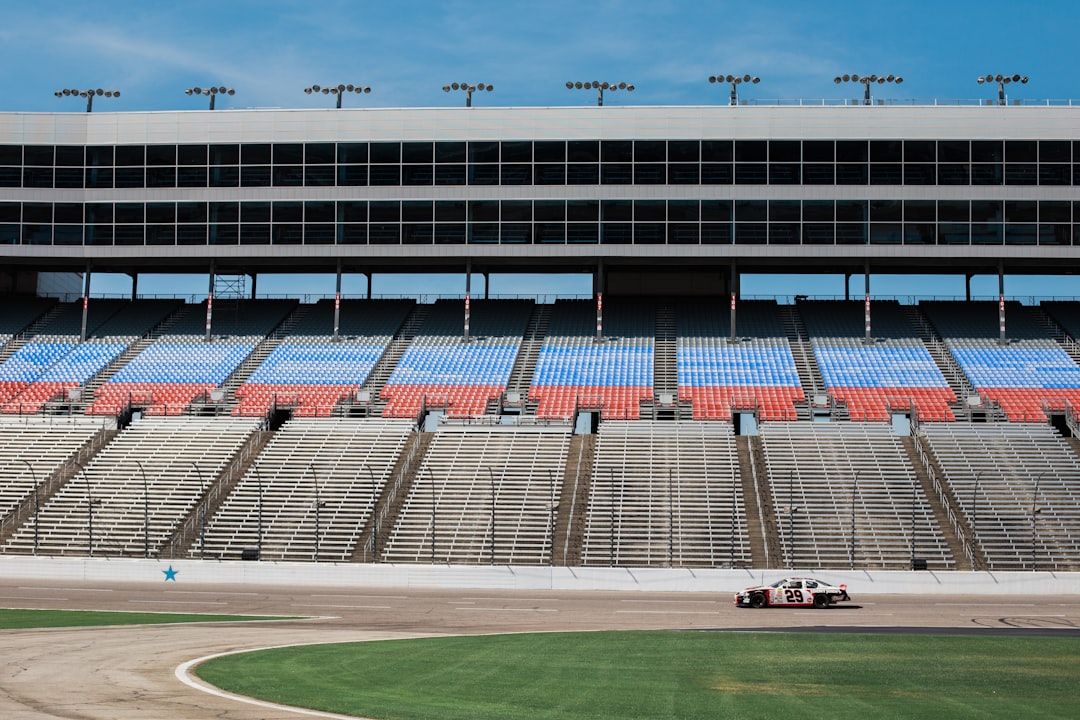
Following these guidelines can elevate the stature of any sports venue, ensuring not only the success of events but also the satisfaction and safety of every attendee. At TRAX Analytics, we’re proud to partner with stadium managers in this endeavor, providing the technology and insights needed for top-tier venue management.
The Importance of Facility Management and Maintenance
In sports stadium management, the importance of facility management and maintenance cannot be overstated. A well-maintained facility ensures the safety, comfort, and satisfaction of fans and players alike. It’s not just about fixing things when they break; it’s about proactive management that prevents issues from arising in the first place.
Why Maintenance Matters
TDIndustries is a prime example of excellence in facility management and maintenance within sports venues. They highlight the necessity of HVAC, maintenance, service, and having a 24/7 emergency service contact center. Their work ensures that environments like the Mercedes-Benz Stadium are not only comfortable but also safe for every occupant.
HVAC: The Heartbeat of Venue Comfort
Heating, ventilation, and air conditioning (HVAC) systems play a pivotal role in maintaining the comfort levels within a stadium. Imagine the discomfort of fans and players alike if a stadium is too hot or too cold. TDIndustries, with their expertise, ensures that HVAC systems are always running efficiently, making sure that the air quality and temperature are optimal for everyone inside the venue.
Maintenance: Preventive is Key
Regular maintenance is crucial to the longevity and functionality of stadium facilities. From plumbing to electrical systems, every component needs to be checked and maintained to avoid unexpected breakdowns that could disrupt events. TDIndustries’ approach of prefabrication and value-added constructability engineering showcases how preventive maintenance can save time and resources in the long run.
Service: Ready When You Need It
Despite all preventive measures, emergencies happen. That’s where the importance of having a 24/7 emergency service contact center comes into play. TDIndustries ensures that there are no answering machines, no outsourcing, no hassle – just immediate response and action to address any unforeseen issues. This level of readiness and responsiveness is critical to maintaining the operations of a sports stadium without interruption.
Conclusion
Facility management and maintenance are foundational to the successful operation of any sports venue. Through the expertise of companies like TDIndustries, stadiums can ensure that their facilities are not just maintained but optimized for performance. At TRAX Analytics, we understand the importance of this aspect of sports stadium management, and we’re committed to providing solutions that support the maintenance and management efforts of stadiums worldwide. Keeping fans and players safe, comfortable, and happy is our top priority, and it’s what makes sports venues shine.
Following these practices in facility management and maintenance is not just beneficial; it’s essential for the longevity and success of sports venues.
Enhancing Fan Experience through Innovative Solutions
In the realm of sports stadium management, enhancing the fan experience is not just an objective; it’s a critical component that differentiates good venues from great ones. At TRAX Analytics, we understand that technology and data are the cornerstones of this mission. Let’s dive into how innovative solutions can elevate guest experiences, spotlighting the importance of facility management services and unique initiatives like the Megaflush.
Leveraging Technology for Real-Time Insights
We harness the power of data analytics to offer stadium operators insights into fan behavior, preferences, and feedback in real-time. This allows for swift adjustments to enhance the overall visitor experience. By analyzing data, we help venues understand which aspects of their operation impact guest satisfaction the most, from cleanliness to concession stand efficiency.
Creating a Clean and Inviting Atmosphere
A clean environment is fundamental to a positive fan experience. Our SmartRestroom solution employs technology to monitor restroom cleanliness and supplies, ensuring facilities are always up to par and reducing wait times during peak intervals. This attention to detail in maintaining venue cleanliness directly translates to improved fan satisfaction.
The Megaflush: Ensuring Operational Smoothness
One unique approach we’ve embraced to test and ensure the reliability of stadium facilities is the Megaflush event. This involves hundreds of participants simultaneously flushing toilets and running faucets to test plumbing systems before the venue goes live. It’s a practical, innovative way to ensure that stadiums can handle high volumes of use, preventing any disruptions to the fan experience during critical moments.
Mobile Apps: Enhancing Convenience and Engagement
To further enhance the fan experience, we recommend the integration of mobile apps that allow fans to receive real-time updates, order food and drinks directly to their seats, and navigate the venue with ease. This level of convenience and engagement ensures fans spend more time enjoying the game and less time in lines.
Conclusion
At TRAX Analytics, our goal is to empower sports stadium management teams with the tools and insights needed to create unforgettable fan experiences. By integrating innovative technology and data-driven solutions, we help venues not only meet but exceed guest expectations. Enhancing the fan experience through cleanliness, operational efficiency, and convenience is just the beginning. With our expertise in facility management services, stadiums can transform the way fans enjoy sports and entertainment events, making every visit memorable.
By focusing on these innovative solutions, we ensure that fans leave with positive memories, looking forward to their next visit.
Safety and Security in Stadium Management
In sports stadium management, ensuring the safety and security of both fans and players is paramount. As highlighted by GUIÓN PARTNERS, a leading name in the field, the focus on safety, security, cleanliness, and appearance is not just about adhering to standards—it’s about creating an environment where everyone can enjoy the game without worries. Let’s break down why these elements are critical and how they contribute to a successful stadium experience.
Why Safety and Security Matter
Safety First: In any large gathering, the potential for accidents or emergencies is heightened. Effective sports stadium management prioritizes safety protocols to handle any situation, from medical emergencies to natural disasters. This means having a clear evacuation plan, trained medical staff on hand, and regular safety drills with all stadium employees.
Security Measures: With the excitement of the game, it’s easy to overlook the importance of security. However, ensuring that fans and players are protected from potential threats is a top priority. This involves everything from screening at entry points to surveillance systems monitoring the venue. A secure environment allows fans to focus on the game, creating a more enjoyable experience for everyone.
Cleanliness and Appearance
First Impressions Count: The appearance of a stadium plays a significant role in the overall experience. A clean and well-maintained facility reflects positively on the event and encourages fans to return. Regular janitorial services, as emphasized by TRAX, are essential in keeping the venue presentable and hygienic.
Enhancing the Experience: Beyond just cleaning, the way a stadium is presented can significantly impact the atmosphere. From the landscaping outside to the condition of seats and facilities inside, every detail contributes to the fan experience. A well-cared-for venue shows respect for the visitors and enhances their enjoyment of the event.
Implementing Effective Strategies
Utilizing Technology: Advances in technology offer new ways to improve safety and security. For example, TRAX Analytics provides innovative solutions for real-time monitoring and management, ensuring that cleanliness and safety standards are consistently met. This technology can also streamline operations, making it easier to maintain a high level of security and cleanliness.
Training and Preparedness: It’s not enough to have the right tools and procedures in place; staff must be adequately trained to respond to any situation. Ongoing training in safety protocols, security measures, and customer service ensures that everyone from security personnel to janitorial staff plays a role in maintaining a secure and welcoming environment.
In conclusion, safety and security are the foundation of successful sports stadium management. By prioritizing these aspects, along with maintaining cleanliness and a pleasing appearance, stadiums can provide a safe, enjoyable experience for all attendees. It’s about more than just watching a game; it’s about creating a community space where people can come together to celebrate and have fun, knowing they are in a secure and well-cared-for environment.
Food and Beverage Management in Sports Venues
In sports stadium management, Food and Beverage (F&B) outlets are key players in enhancing the overall fan experience and generating significant revenue. Let’s dive into how stadiums can elevate their F&B game.
Maximizing Revenue per Table with AI
Strategic Seating: It’s not just about filling seats; it’s about filling them wisely. By using advanced seating strategies, you can maximize revenue at each table. Instead of placing guests at the first available table, think about how you can seat them to encourage more orders or higher spending.
AI to the Rescue: Artificial Intelligence (AI) can take your strategic seating to the next level. For instance, SevenRooms uses AI to analyze thousands of seating combinations in seconds, helping to identify which arrangement could bring in more revenue for the same seats. This tech-savvy approach allows for maximizing earnings without needing to expand physical space.
Engaging Guests Even While They Wait
No one likes to wait, but with the right tools, waiting time can become an opportunity. By implementing a virtual waitlist system, guests can stay informed about their table’s readiness and explore the menu ahead of time. This not only improves the guest experience but can also increase the chances of guests ordering more once they’re seated. Learn more about how SevenRooms’ virtual waitlist can transform waiting time into a productive part of the dining experience.
Prepayment for Reservations
Major events bring in crowds, and with that, the challenge of no-shows. By collecting payment in advance, you secure revenue ahead of time and reduce the risk of empty tables on big game days. This approach also streamlines the payment process, making it easier for both the staff and the guests. Secure and straightforward payment collection is possible with platforms like SevenRooms, enhancing your F&B management strategy.
Personalized Service for Regulars
Knowing your guests, especially your regulars, can significantly impact your F&B service. With the right technology, you can easily access a guest’s preferences, past orders, and even dietary restrictions. Personalized service not only makes guests feel valued but also encourages them to return. SevenRooms’ ability to collect and utilize guest data is a game-changer in offering tailored experiences that keep fans coming back.
Enforcing Spend Minimums
During major events, setting and enforcing spending minimums can ensure that each cover contributes significantly to your revenue. Integrating your Point of Sale (POS) with systems like SevenRooms allows real-time tracking of spending per table, making it easier to remind guests about minimum spend requirements gently. This strategy ensures your F&B outlets remain profitable, especially on busy days.
In conclusion, managing F&B outlets in sports venues requires a mix of strategic planning, technological support, and personalized service. By leveraging innovative solutions like those offered by TRAX Analytics and SevenRooms, sports stadiums can enhance guest experiences while significantly boosting their F&B revenue. In sports stadium management, every detail counts, from how you manage the queues to how you engage with your guests at every touchpoint.
Utilizing Technology for Efficient Operations
In the realm of sports stadium management, the integration of technology is no longer just an option; it’s a necessity. At TRAX Analytics, we understand that our clients, including facility managers and operations managers, are on a constant quest to streamline their processes and enhance guest experiences. Let’s dive into how technology, particularly venue management software, can revolutionize the efficiency of your operations.
Why Embrace Venue Management Software?
Venue management software acts as the backbone of efficient stadium operations. It enables you to automate tasks that traditionally required manual input, saving time and reducing the potential for human error. Here’s why this is crucial:
-
Real-time Data and Analytics: With tools like ours, you gain access to real-time data about your facility. This means you can monitor cleanliness, manage quality control, and optimize operations with precision. The goal is to make informed decisions that directly impact guest satisfaction and operational efficiency.
-
Streamlined Operations: From ticket sales to concessions management, every aspect of stadium management can be enhanced through technology. For instance, digital ticketing not only speeds up entry but also adds a layer of security against fraud. Similarly, mobile apps can improve the F&B experience by allowing fans to order directly from their seats.
-
Enhanced Guest Experiences: At the end of the day, the fan experience is paramount. Technology allows for personalized engagement, real-time updates on game scores, and even directions within the stadium. This level of service keeps fans coming back.
How TRAX Analytics Fits In
At TRAX Analytics, we specialize in providing innovative solutions that address the unique needs of sports stadiums. Our offerings, including the SmartRestroom and Clean+Inspect solutions, are designed to elevate facility management to new heights. Here’s how we make a difference:
-
Optimize Cleanliness and Maintenance: Our solutions provide actionable insights that help you maintain the highest standards of cleanliness and upkeep. This is crucial not only for the safety and satisfaction of your guests but also for the overall reputation of your venue.
-
24/7 Operational Support: We understand that sports venues operate round the clock, often beyond standard business hours. Our emergency service contact center ensures that you always have the support you need, whenever you need it.
-
Customizable KPIs: We tailor our services to meet your specific goals. By providing measurable Key Performance Indicators (KPIs), we empower stadium managers to track their progress and adjust strategies as necessary.
Conclusion
The use of technology in sports stadium management is a game-changer. By partnering with companies like TRAX Analytics, you can leverage venue management software and other digital solutions to achieve operational excellence. The goal is to not only meet but exceed the expectations of your guests, ensuring they have unforgettable experiences at your venue. With the right technology in place, you’re well on your way to achieving just that.
Networking and Professional Development in Stadium Management
Connect with Peers: The Stadium Managers Association (SMA)
For those in sports stadium management, building a strong network and continually developing professional skills are crucial. One of the best resources for this is the Stadium Managers Association (SMA). This organization is a key player in promoting excellence in stadium management worldwide. By becoming a part of SMA, you join a community dedicated to the advancement of stadium operations. Networking opportunities abound, allowing members to share insights, challenges, and solutions.
Celebrating Excellence: The Rick Nafe Award
Recognition of outstanding contributions in the field is vital. The Rick Nafe Award for Excellence in Stadium Management is a prestigious honor that highlights individuals who have made significant impacts. Mickey Farrell was named the inaugural recipient of this award, a testament to the importance of leadership and volunteerism in our industry. Awards like this not only honor individual achievements but also inspire others in the field to strive for excellence.
Engage and Learn: SMA Conference and Seminar
Key events such as the stadium managers association conference 2024 and the stadium managers association seminar offer unparalleled opportunities for professional growth. These gatherings are not just about networking; they’re also about learning from the best in the business. Here, the latest trends, technologies, and management strategies are discussed, providing attendees with valuable insights that can be applied to their own operations.
Conclusion
In the dynamic field of sports stadium management, staying connected and informed is essential. Organizations like the SMA play a pivotal role in fostering a sense of community and offering resources for professional development. Through engaging with peers, celebrating achievements, and participating in industry-specific events, stadium managers can enhance their skills and contribute to the evolution of stadium management practices. At TRAX Analytics, we understand the importance of such professional development and encourage our clients to take advantage of these opportunities to push the boundaries of what’s possible in stadium management.
Career Opportunities and Salaries in Sports Stadium Management
Sports stadium management is a dynamic field with a variety of career paths and opportunities. Whether you’re just starting out or looking to advance your career, understanding the landscape of jobs and the potential salaries in sports stadium management can help you navigate your professional journey.
Exploring Career Opportunities
In sports stadium management, the possibilities are vast. From entry-level positions to high-ranking executive roles, the range of jobs caters to a spectrum of skills and interests. Here are a few key roles within this sector:
- Stadium Manager: At the helm of operations, responsible for the overall management of the sports facility.
- Facilities Coordinator: Focuses on scheduling, maintenance, and use of the stadium.
- Event Coordinator: Plans and executes events held at the stadium, ensuring smooth operations.
- Janitorial Manager: Oversees the cleaning and maintenance of the stadium to ensure a safe and clean environment for all.
- Security Manager: Ensures the safety and security of guests, staff, and athletes at the stadium.
These roles, among others, offer a gateway into the sports sector, opening doors to further career advancement into positions such as public relations officer, logistics manager, or consultant in the organization of sports events.
Understanding Salaries
Salaries in sports stadium management vary widely depending on the role, experience, and location of the stadium. However, they generally offer competitive compensation reflective of the responsibilities entailed.
-
Stadium Manager Salary: The cornerstone of sports stadium management, stadium managers can expect salaries ranging widely based on the size and prestige of the facility they manage. According to data from various sources, the average salary can range from $50,000 to over $100,000 annually.
-
Entry-Level Positions: For those just starting out in sports stadium management, entry-level positions may offer salaries starting around $30,000 to $40,000, with ample room for growth as experience is gained.
-
Executive Roles: High-level positions such as Directors of Operations or Chief Executive Officers of sports facilities can command salaries well into the six figures, reflecting the significant responsibilities and expertise required.
Navigating Your Career Path
At TRAX Analytics, we recognize the importance of career advancement in sports stadium management. We encourage aspiring and current professionals to leverage technology and innovative solutions to enhance their skill set and improve stadium operations. By staying informed about industry trends and engaging in continuous learning, individuals can significantly impact their career trajectory and salary potential in this exciting field.
As the sports industry continues to evolve, so too do the opportunities within sports stadium management. With the right mix of skills, experience, and a keen eye for innovation, professionals in this field can look forward to rewarding careers that not only offer competitive salaries but also the chance to enhance the fan experience in meaningful ways.
In conclusion, whether you’re just embarking on your career or looking to take the next step, sports stadium management offers a rich landscape of opportunities. By understanding the roles available and the potential salaries, you can strategically navigate your career path towards success.
Conclusion
Embarking on a journey in sports stadium management can be both challenging and rewarding. Whether you’re aiming to become a stadium manager or looking to enhance your existing facility’s operations, the key lies in understanding the multifaceted aspects of this dynamic field. From ensuring the safety and satisfaction of fans to adopting innovative technology solutions, each element plays a crucial role in the overall success of sports venues.
We at TRAX Analytics are dedicated to providing you with the tools and insights needed to elevate your sports facility management game. Our solutions, such as Clean+Inspect and SmartRestroom, are designed to streamline operations, enhance guest experiences, and ensure your venue stands out as a leader in cleanliness and efficiency.
The ultimate goal of sports stadium management is not just to maintain the status quo but to continually seek ways to innovate and improve. By leveraging technology, understanding the needs of your fans, and focusing on the details that make a big difference, you can create an unforgettable experience for all who visit your venue.
For those looking to dive deeper into sports stadium management and explore how technology can transform your operations, we invite you to explore our solutions and resources. Together, let’s set new standards for excellence in sports venue management.
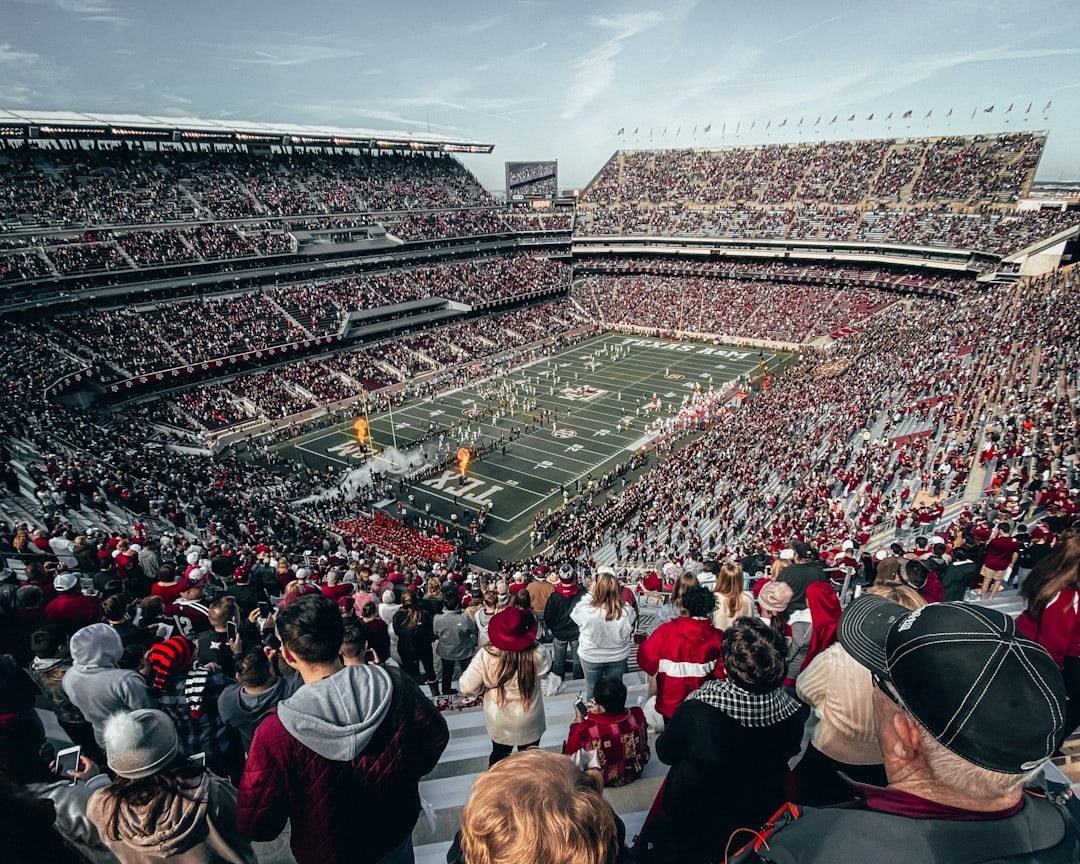
Embark on your journey to sports stadium management excellence today, and see how TRAX Analytics can be your partner every step of the way.


