TRAX Analytics |

Unlocking Efficiency: Key Features of Janitorial Scheduling Software

a janitorial staff member efficiently managing cleaning schedules on a sleek, user-friendly software interface.


Efficient scheduling is a critical component of successful janitorial services. Many companies struggle with managing their workflow, leading to missed appointments and dissatisfied clients. This article will explore key features of janitorial scheduling software, including automation tools that streamline operations and enhance customer support. By understanding these features, readers will learn how to improve resource allocation and boost employee performance, ultimately increasing client satisfaction. Addressing these common pain points can transform scheduling from a challenge into a strategic advantage.

Key Takeaways

  • Efficient scheduling directly impacts operational efficiency and customer satisfaction in janitorial services
  • Technology streamlines scheduling, reducing errors and enhancing resource allocation for better service delivery
  • Real-time updates and mobile access improve communication and responsiveness among janitorial staff
  • Tracking task completion fosters accountability and ensures high service standards are consistently met
  • Choosing the right scheduling software involves assessing business needs and evaluating key features for effectiveness

The Importance of Efficient Scheduling in Janitorial Services

a janitorial worker using a digital scheduling software on a tablet, surrounded by organized cleaning supplies and a well-lit, spotless office space.

Efficient scheduling is crucial in janitorial services, as it directly impacts operational efficiency and business management. Understanding the challenges of manual scheduling reveals risks such as payroll inaccuracies and diminished customer service. Technology plays a vital role in streamlining schedules, enhancing productivity, and ultimately improving customer satisfaction. Each of these aspects will be explored in detail to highlight their significance.

Understanding the Challenges of Manual Scheduling

Manual scheduling in a janitorial business often leads to significant challenges that can hinder operational efficiency. For instance, inaccuracies in workforce allocation can result in inadequate staffing, affecting quality control and customer satisfaction. Additionally, the onboarding process for new employees can become cumbersome, leading to higher turnover rates and impacting employee retention, as staff may feel overwhelmed or unsupported in their roles.

Impact of Scheduling on Operational Efficiency

Effective scheduling directly influences operational efficiency in janitorial services by ensuring that resources are allocated appropriately. Utilizing management software and scheduling software allows for real-time adjustments to work orders, which enhances organization and minimizes downtime. This streamlined approach not only improves service delivery but also facilitates accurate invoicing, ultimately leading to increased customer satisfaction and retention.

How Inefficient Scheduling Affects Customer Satisfaction

Inefficient scheduling can significantly undermine customer satisfaction in janitorial services. When janitorial staff are not allocated effectively, it can lead to missed appointments or inadequate service levels, which directly impacts the reputation of the business. A janitorial manager must ensure that task management is streamlined and that timesheets are accurately maintained to avoid these pitfalls, ultimately fostering a more reliable service that meets client expectations.

ChallengeImpact on Customer SatisfactionSolution
Inadequate StaffingMissed appointments and poor service qualityImplement scheduling software for better resource allocation
High Turnover RatesInconsistent service deliveryEnhance onboarding processes and support for new hires
Poor Task ManagementDelayed responses to client needsUtilize task management tools for real-time updates

The Role of Technology in Streamlining Schedules

Technology plays a pivotal role in streamlining schedules within the janitorial industry, significantly enhancing workforce management. By utilizing janitorial management systems, businesses can automate scheduling processes, reducing downtime and ensuring that staff are allocated efficiently to meet client needs. This convenience not only improves operational efficiency but also fosters a more responsive service, ultimately leading to higher customer satisfaction and retention.

Efficient scheduling is the backbone of successful janitorial services. Now, let’s explore the key features of janitorial scheduling software that can make this task easier and more effective.

Key Features of Janitorial Scheduling Software

a janitorial staff member receiving real-time updates on their cleaning schedule via a digital device in a brightly lit commercial building.

Key features of janitorial scheduling software significantly enhance the efficiency of cleaning services, particularly in commercial cleaning environments. Automated shift scheduling, real-time updates and notifications, and employee availability management streamline operations. 

Automated Shift Scheduling

 Automated shift scheduling is a critical feature of janitorial scheduling software that enhances resource allocation and operational efficiency. By automating the scheduling process, businesses can ensure that staff are optimally assigned to tasks, reducing the risk of being swept by unexpected absences or workload fluctuations. This capability not only supports fleet management by allowing for better tracking of personnel and equipment but also offers scalability, enabling companies to adapt their operations as they grow.

  • Enhances resource allocation for optimal staffing.
  • Reduces the impact of unexpected absences.
  • Supports fleet management through better tracking.
  • Offers scalability for growing businesses.

Real-Time Updates and Notifications

Real-time updates and notifications are essential features of janitorial scheduling software that significantly enhance operational efficiency. By automating data entry and providing instant alerts regarding task assignments or changes, businesses can ensure that sanitation standards are consistently met. This responsiveness not only improves customer satisfaction but also fosters customer retention, as clients appreciate timely communication and reliable service delivery.

Employee Availability Management

Employee availability management is a vital feature of janitorial software that enhances operational efficiency by ensuring that work orders are assigned based on real-time staff availability. This capability allows managers to conduct data analysis on employee schedules, enabling them to make informed decisions about resource allocation and inventory control. By effectively managing employee availability, businesses can improve the customer experience, as they are better equipped to meet service demands promptly and reliably.

Customizable Scheduling Templates

Customizable scheduling templates are essential for janitorial services, as they provide the flexibility needed to adapt to various client requirements and maintenance requests. By allowing managers to create tailored schedules that align with service agreements, these templates enhance visibility into the cleaning crew‘s assignments and ensure that all tasks are completed according to a predefined checklist. This adaptability not only streamlines operations but also improves accountability and service quality, ultimately leading to higher customer satisfaction.

  • Flexibility to adapt to client requirements.
  • Alignment with service agreements.
  • Enhanced visibility into cleaning crew assignments.
  • Improved accountability through checklists.

Effective scheduling is just the beginning. Next, discover how these tools can strengthen communication and keep everyone on the same page.

Enhancing Communication With Scheduling Tools

a janitorial manager holding a smartphone with a scheduling tool app open, coordinating with staff members on cleaning tasks in a modern office setting.

Effective communication is essential in janitorial services, and scheduling tools facilitate this by enabling direct messaging between managers and staff. Mobile access allows for on-the-go coordination, ensuring that work order status and cleanliness standards are consistently met. These tools also reduce miscommunication and errors while allowing for instant updates, enhancing overall business management and accounting processes.

Direct Messaging Between Managers and Staff

Direct messaging between managers and staff is a crucial feature of janitorial scheduling software that enhances communication and operational efficiency. This functionality allows for immediate updates regarding quality assurance measures, inspection results, and asset tracking, ensuring that all team members are informed and aligned with service expectations. By facilitating real-time communication, service businesses can conduct audits more effectively, addressing any issues promptly and maintaining high standards of service delivery.

FeatureBenefitImpact on Service Businesses
Direct MessagingImmediate updates and feedbackImproved quality assurance and inspection processes
Real-Time CommunicationEnhanced coordination among staffStreamlined asset tracking and audit readiness
Instant NotificationsQuick response to service issuesIncreased customer satisfaction and retention

Mobile Access for on-the-Go Coordination

Mobile access for on-the-go coordination is a vital feature of software for janitorial services, enabling cleaners to manage work orders efficiently from any location. This capability allows facility management teams to communicate real-time updates, ensuring that staff are informed about changes in schedules or specific client requests. By leveraging mobile technology, janitorial businesses can enhance responsiveness, reduce delays, and ultimately improve service delivery, addressing common pain points associated with traditional communication methods.

Reducing Miscommunication and Errors

Reducing miscommunication and errors is essential for enhancing efficiency in a cleaning business. By utilizing advanced cleaning business software with a user-friendly interface, teams can ensure that all contract details and asset management information are clearly communicated. This clarity minimizes misunderstandings, allowing staff to focus on their tasks without the distraction of unclear instructions, ultimately leading to improved service delivery and client satisfaction.

Sharing Updates Instantly

Sharing updates instantly is a critical feature of janitorial scheduling software that enhances communication between janitors and management. With mobile device accessibility, staff can receive real-time notifications about schedule changes or client requests, ensuring that service quality remains high. This immediate flow of information allows janitors to respond promptly to client needs, reducing delays and improving overall satisfaction.

  • Instant notifications keep janitors informed.
  • Mobile device accessibility enhances communication.
  • Real-time updates improve service quality.
  • Prompt responses to client needs increase satisfaction.

With clear schedules in place, teams can focus on their tasks without distraction. This clarity leads to greater accountability and a sharper eye on performance.

Boosting Accountability and Performance Monitoring

a janitorial team reviewing performance data on a digital tablet, surrounded by cleaning supplies and equipment in a well-organized supply closet.

Tracking task completion through janitorial management software enhances transparency and accountability within cleaning operations. Access to historical scheduling data allows businesses to analyze performance trends, while reporting tools facilitate informed decision-making. Additionally, setting and monitoring team objectives through a mobile app ensures that staff remain aligned with customer expectations, ultimately driving service quality and operational efficiency.

Tracking Task Completion

Tracking task completion is a fundamental aspect of cleaning service software that enhances accountability within a cleaning business. By utilizing this feature, managers can monitor the progress of cleaning tasks in real-time, ensuring that all assignments are completed according to established standards and regulatory compliance. This capability not only helps in identifying areas for improvement but also fosters a culture of responsibility among staff, ultimately leading to higher service quality and client satisfaction.

  • Real-time monitoring of cleaning tasks.
  • Ensures adherence to regulatory compliance.
  • Identifies areas for operational improvement.
  • Fosters accountability among cleaning staff.

Access to Historical Scheduling Data

Access to historical scheduling data is a vital feature of janitorial scheduling software that enhances accountability and performance monitoring. By analyzing past schedules, managers can identify trends in staffing, task completion rates, and service quality, allowing for informed decision-making. This data-driven approach not only helps in optimizing resource allocation but also supports continuous improvement efforts, ensuring that cleaning services consistently meet client expectations.

FeatureBenefitImpact on Service Quality
Historical Scheduling DataIdentifies trends in staffing and performanceEnhances accountability and service consistency
Data Analysis ToolsFacilitates informed decision-makingImproves resource allocation and efficiency
Performance MonitoringTracks task completion ratesEnsures high standards of service delivery

Reporting Tools for Informed Decisions

Reporting tools within janitorial management software play a crucial role in enhancing accountability and performance monitoring. By providing detailed insights into task completion rates, staffing efficiency, and service quality, these tools enable managers to make informed decisions that drive operational improvements. For instance, analyzing performance reports can help identify trends and areas needing attention, allowing businesses to optimize their resources and ensure consistent service delivery that meets client expectations.

Setting and Monitoring Team Objectives

Setting and monitoring team objectives is essential for enhancing accountability within janitorial services. By utilizing janitorial management software, managers can establish clear performance goals for their staff, ensuring that everyone understands their responsibilities and expectations. Regularly tracking progress against these objectives allows for timely feedback and adjustments, fostering a culture of continuous improvement and high service standards.

ObjectiveBenefitImpact on Accountability
Clear Performance GoalsEnsures staff understand expectationsEnhances individual accountability
Regular Progress TrackingFacilitates timely feedbackPromotes continuous improvement
Team AlignmentEncourages collaborationStrengthens overall service quality

Accountability and performance monitoring lay the groundwork for success. Now, the focus shifts to how effective scheduling can elevate client satisfaction.

Increasing Client Satisfaction Through Effective Scheduling

a janitorial worker efficiently organizing cleaning schedules on a whiteboard, showcasing professionalism and reliability.

Effective scheduling in janitorial services is essential for increasing client satisfaction. Ensuring timely service delivery allows businesses to meet client expectations consistently. Adapting quickly to client needs enhances responsiveness, while providing transparency with service reports builds trust. Consistent performance reinforces reliability, ultimately leading to stronger client relationships and improved service quality.

Ensuring Timely Service Delivery

Ensuring timely service delivery is a fundamental aspect of janitorial services that directly influences client satisfaction. By utilizing janitorial management software, businesses can effectively manage their workforce, allowing for prompt responses to service requests and minimizing delays. This proactive approach not only meets client expectations but also fosters trust and reliability, essential components for maintaining long-term relationships in a competitive market.

Adapting Quickly to Client Needs

Adapting quickly to client needs is essential for maintaining high levels of client satisfaction in janitorial services. By utilizing advanced janitorial scheduling software, businesses can respond promptly to last-minute requests or changes in service requirements. This flexibility not only enhances operational efficiency but also demonstrates a commitment to customer service, fostering trust and loyalty among clients.

Providing Transparency With Service Reports

Providing transparency with service reports is essential for enhancing client satisfaction in janitorial services. By utilizing janitorial management software, businesses can generate detailed reports that outline service activities, task completion rates, and any issues encountered during cleaning. This level of transparency not only builds trust with clients but also allows them to understand the value of the services provided, ultimately leading to stronger relationships and improved service quality.

FeatureBenefitImpact on Client Relationships
Detailed Service ReportsOutlines service activities and task completionBuilds trust and transparency with clients
Real-Time UpdatesInforms clients of any issues encounteredEnhances communication and responsiveness
Performance MetricsDemonstrates the value of services providedStrengthens client relationships and loyalty

Building Trust With Consistent Performance

Building trust with consistent performance is essential for janitorial services aiming to enhance client satisfaction. When businesses utilize janitorial scheduling software, they can ensure that cleaning tasks are completed reliably and on time, which fosters confidence among clients. By maintaining high service standards and delivering consistent results, janitorial companies not only meet but exceed client expectations, ultimately strengthening long-term relationships and encouraging repeat business.

Effective scheduling lays the groundwork for client satisfaction. Now, the right janitorial management software can elevate that success even further.

Choosing the Right Janitorial Management Software

a modern office setting with a computer screen displaying various janitorial scheduling software options, surrounded by a whiteboard filled with pros and cons list, while a person evaluates each option with a thoughtful expression.

Choosing the right janitorial management software involves assessing business needs and challenges to identify the most suitable solution. Evaluating key features and benefits, considering user-friendliness and support, and exploring integration capabilities are essential steps. Additionally, measuring potential return on investment ensures that the selected software aligns with operational goals and enhances overall efficiency.

Assessing Business Needs and Challenges

Assessing business needs and challenges is a critical first step in selecting the right janitorial management software. Companies must evaluate their current operational inefficiencies, such as high turnover rates or inadequate staffing, to identify specific areas where software can provide solutions. For instance, a business struggling with missed appointments may benefit from automated scheduling features that ensure timely service delivery and improved resource allocation.

Business NeedChallengeSoftware Solution
High Turnover RatesInconsistent service deliveryEnhanced onboarding processes
Inadequate StaffingMissed appointmentsAutomated scheduling features
Poor Task ManagementDelayed responses to client needsTask management tools for real-time updates

Evaluating Key Features and Benefits

When evaluating key features and benefits of janitorial management software, businesses should focus on functionalities that directly address their operational challenges. Essential features such as automated scheduling, real-time updates, and employee availability management can significantly enhance efficiency and service quality. For instance, a company struggling with missed appointments may find that automated scheduling not only reduces errors but also ensures that staff are allocated effectively, ultimately leading to improved customer satisfaction and retention.

Considering User Friendliness and Support

When selecting janitorial management software, considering user friendliness and support is essential for maximizing efficiency. A user-friendly interface allows staff to navigate the system easily, reducing training time and minimizing errors. Additionally, robust customer support ensures that any issues can be resolved quickly, allowing businesses to maintain smooth operations and focus on delivering high-quality service.

  • Evaluate the software’s interface for ease of use.
  • Consider the availability of customer support options.
  • Assess training resources to facilitate quick onboarding.

Exploring Integration Capabilities

Exploring integration capabilities is essential when selecting janitorial management software, as it determines how well the software can work with existing systems. Effective integration with tools such as business intelligence applications and IOT sensors can streamline operations and enhance data accuracy. For instance, a janitorial service that integrates with sensors can create a hybrid approach to scheduling to increase client communication and service delivery, ultimately leading to higher customer satisfaction.

  • Assess the compatibility of management software with existing systems or sensors
  • Look for integration with 3rd party sensors
  • Evaluate how integration can enhance operational efficiency.

Measuring Potential Return on Investment

Measuring potential return on investment (ROI) is essential when selecting janitorial management software, as it helps businesses understand the financial benefits of their investment. By analyzing factors such as reduced labor costs, improved service delivery, and enhanced customer satisfaction, companies can quantify the value generated from implementing management solutions. For instance, a janitorial service that experiences fewer missed appointments and improved staff allocation can see a significant increase in client retention, ultimately leading to higher revenue and a positive ROI.

Conclusion

Efficient scheduling is vital for janitorial services, directly impacting operational effectiveness and customer satisfaction. Key features of janitorial management software, such as automated shift scheduling, real-time updates, and employee availability management, streamline operations and enhance accountability. By leveraging technology, businesses can adapt quickly to client needs, ensuring timely service delivery and fostering trust. Ultimately, investing in robust scheduling solutions not only improves service quality but also strengthens client relationships, driving long-term success in the industry.

Going Green with Restroom Management: A Look at Sustainable Approaches

Introduction

Restroom Monitoring Technology is changing how we manage and maintain restrooms, making it smarter and greener.

Key Points:

  • Uses IoT and real-time analytics for efficient restroom management.
  • Helps in reducing waste by monitoring supplies and usage.
  • Promotes better hygiene with alerts and data-driven cleaning schedules.

Sustainable restroom management isn’t just about maintaining cleanliness. It’s about integrating eco-friendly practices and using data-driven insights to improve operations. Facility managers are increasingly turning to companies like TRAX Analytics to adopt smarter solutions that not only keep restrooms clean but also optimize resources and support environmental goals.

Implementing Restroom Monitoring Technology offers a holistic approach that benefits both the environment and facility operations. By using real-time data and smart sensors, facilities can achieve greater efficiency and sustainability.

Infographic showcasing the benefits of Restroom Monitoring Technology: Improved hygiene, Cost savings, Reduced waste, Enhanced user experience - Restroom Monitoring Technology infographic brainstorm-4-items

The Role of Restroom Monitoring Technology in Sustainability

Smart Restroom Technology Enhancements

Incorporating smart restroom technology can significantly improve the sustainability of restroom management. These enhancements include smart toilets, touchless fixtures, and digital faucets. Smart toilets, for example, offer features like dual-flush systems that help conserve water. According to real estate experts, these are the most desired devices for restroom renovations due to their efficiency and user-friendly design.

Touchless fixtures, such as faucets and soap dispensers, reduce the spread of germs and lower water usage by automatically shutting off when not in use. Digital faucets can even monitor water flow and temperature, providing real-time data to optimize water use.

Occupancy monitoring systems use sensors to track restroom usage, ensuring that cleaning and maintenance are performed only when necessary. This not only improves hygiene but also reduces waste and operational costs.

Another innovative enhancement is water reclamation systems, which recycle greywater from sinks for toilet flushing. This reduces the overall water consumption of the facility. Smart mirrors can provide users with real-time information about restroom conditions, enhancing the user experience and promoting better hygiene practices.

Benefits of IoT in Restroom Management

The integration of IoT in restroom management provides numerous benefits, including real-time data, predictive maintenance, and resource optimization. IoT-enabled devices collect data on restroom usage, water consumption, and supply levels, which can be analyzed to make informed decisions.

Real-time analytics allow facility managers to monitor restroom conditions continuously. This data-driven approach ensures that restrooms are cleaned and restocked as needed, improving both hygiene and efficiency. For instance, the TRAX Clean+Inspect system helps schedule janitorial tasks and provides proof of service data, ensuring high standards of cleanliness.

Predictive maintenance is another significant advantage. By analyzing data trends, potential issues can be identified before they become problems, minimizing downtime and reducing repair costs. This proactive approach extends the lifespan of restroom fixtures and reduces the need for emergency maintenance.

Resource optimization is achieved by using data to allocate cleaning and maintenance resources more effectively. This not only saves money but also reduces the environmental impact. For example, by monitoring water usage, facilities can identify opportunities to conserve water and reduce waste.

Cost savings are a direct result of these efficiencies. By minimizing waste, reducing maintenance costs, and optimizing resource use, facilities can achieve significant financial savings. Additionally, the environmental impact is reduced, supporting sustainability goals.

Implementing these smart restroom technologies not only enhances operational efficiency but also aligns with broader sustainability objectives. Facilities can reduce their carbon footprint, conserve resources, and provide a cleaner, safer environment for users.

Implementing Sustainable Restroom Solutions

Case Studies and Success Stories

Cleaning Protocols and Waste Reduction

TRAX Analytics has revolutionized janitorial operations with data-driven insights. By implementing the TRAX Clean+Inspect system, facilities can now monitor cleaning activities in real-time, generate work orders, and track proof of service. This has led to more efficient cleaning protocols, reducing the time and resources spent on maintaining restrooms. For instance, the Riverside Convention Center saw a significant improvement in cleanliness and a reduction in cleaning-related complaints after adopting TRAX Analytics’ solutions.

Water Conservation and Energy Efficiency

Smart restroom technology plays a crucial role in conserving water and energy. Airports, in particular, benefit from these advancements. According to a report by Airport Councils International, restroom cleanliness is a top satisfaction metric. Airports using TRAX Analytics’ smart water monitors and occupancy sensors have optimized their water usage and reduced waste. This not only conserves resources but also leads to cost savings and improved environmental sustainability.

Cost-Benefit Analysis of IoT in Facility Management

Facilities Management is a critical field that ensures the operational functionality of environments like workplaces, schools, and hospitals. It encompasses a range of activities from maintaining heating and cooling systems to ensuring that all operations run smoothly. Importantly, with the integration of Internet of Things (IoT) technology, facilities management is witnessing a transformative shift, enhancing capabilities in monitoring, predictive maintenance, and operational efficiency.

Facility and operations managers are increasingly turning to innovative solutions to address their everyday challenges. The leveraging of IoT within facilities management not only paves the way for smarter building management but also boosts sustainability and operational control. In particular, IoT allows for real-time tracking and responsive management of various systems across buildings, making it indispensable in today’s , efficiency-driven world.

In an changing landscape, IoT presents an invaluable tool for facilities managers concerned with improving maintenance responses, reducing energy consumption, and enhancing overall facility services. This integration marks a significant step toward more personalized and intuitive building environments, aiding facilities in becoming more comfortable, safer, and economically sustainable spaces.

Understanding IoT in Facilities Management

Definition, Components, How it Works, IoT Devices, Sensors, Real-Time Data

Internet of Things (IoT) in Facilities Management refers to the network of interconnected devices that collect and exchange data from the environment they monitor. These devices, from sensors to smart meters, gather vast amounts of data which is then used to optimize processes, maintain equipment, and improve overall facility operations.

Components of an IoT system in facilities management typically include:
Sensors: Detect and record changes in physical conditions like temperature, light, and occupancy.
Actuators: Mechanisms that allow the system to change a physical condition through control (like adjusting thermostats automatically).
Data storage solutions: For accumulating data over time.
Analytics and dashboarding tools: To interpret data and provide actionable insights.
Communication networks: These tie all elements together allowing them to communicate.

The working of IoT in facilities management involves deploying sensors and devices throughout a facility to continuously collect data about various parameters. This data is sent to a central system where it’s analyzed in real-time. Insights drawn from this data help in making immediate adjustments to the facility’s operations or planning long-term maintenance strategies.

Benefits of IoT in Facilities Management

  1. Efficiency: IoT automates many routine tasks, from adjusting lighting and temperature to identifying areas that don’t meet use thresholds.
  2. Cost Savings: Significant reductions in energy consumption and operational costs can be achieved by optimizing resource use.
  3. Predictive Maintenance: IoT enables facilities managers to anticipate failures before they occur, reducing downtime and repair costs.
  4. Energy Management: Smart systems can significantly reduce wastage by adjusting settings in real-time based on current usage patterns.
  5. Sustainability: Enhances the ability to monitor and manage energy consumption and waste production, supporting greener practices.
  6. Real-Time Monitoring: Offers facilities managers a live look at how various systems and areas of a facility are performing, allowing for immediate adjustments.

Challenges and Considerations

  1. Security Risks: More devices mean more potential entry points for security breaches. Ensuring data security is paramount.
  2. Initial Costs: Setting up IoT systems can be expensive due to the cost of devices and integration into existing systems.
  3. Integration Complexity: Merging IoT with old systems can be challenging and might require substantial changes in current infrastructure.
  4. Staff Training: Employees must be trained not only to use the IoT system effectively but also to understand and interpret the data it provides.

IoT brings a transformative potential to facilities management, offering enhanced operational control and efficiency. However, the integration of such technology must be approached with careful planning and consideration of the challenges it presents. With the right strategy and tools, the benefits can vastly outweigh the hurdles, leading to smarter, more responsive, and efficient facilities management.

Strategic Implementation of IoT in Various Sectors

Case Studies: IoT Success Stories

IoT in Airports
Airports are complex environments where efficiency, security, and passenger comfort are paramount. Implementing IoT at airports, like in the case of TRAX Analytics, has led to significant improvements. Smart sensors and real-time data analytics help manage crowd flow, optimize lighting and climate control, and ensure timely maintenance of facilities, which enhances passenger experiences and reduces operational costs.

IoT in Corporate Offices
In corporate offices, IoT technology facilitates better space utilization and energy management. Sensors can monitor room occupancy and adjust lighting and temperature automatically, leading to energy savings and improved employee comfort. For example, IoT integration in office buildings has shown to reduce energy costs by up to 30%, according to industry studies.

IoT in Sports Facilities
Sports facilities benefit greatly from IoT for event management and safety enhancements. IoT devices can track the health and safety of athletes, provide real-time updates on facility conditions, and enhance spectator experiences through personalized digital interactions. This integration not only boosts operational efficiency but also ensures a high level of participant and spectator satisfaction.

IoT in Real Estate
In the real estate sector, IoT enables better asset management and predictive maintenance. By using sensors to monitor systems like HVAC and lighting, facilities managers can anticipate problems before they occur, reducing downtime and repair costs. Real-time data provides insights that lead to more informed decision-making regarding building management and tenant services.

IoT in Hospitals
Hospitals implementing IoT see improvements in patient care and facility management. Sensors can monitor environments to ensure they remain sterile, and wearable devices can track patient health metrics in real-time. This technology not only improves patient outcomes but also optimizes the use of hospital resources.

Energy Savings
Across all sectors, IoT has a profound impact on energy conservation. Automated systems adjust lighting, heating, and cooling based on real-time environmental and occupancy data, leading to significant reductions in energy use and cost.

Operational Efficiency
IoT streamlines operations by automating routine tasks and providing data-driven insights. This leads to faster decision-making and reduced labor costs, as tasks that once required manual intervention are now managed automatically.

Enhanced Security
With IoT, facilities can enhance security measures through automated alerts and surveillance, ensuring a safer environment for employees, visitors, and assets.

Improved Comfort
Environmental monitoring through IoT leads to optimized settings for light and temperature, enhancing comfort in facilities ranging from offices to hospitals.

Predictive Analytics
IoT enables predictive maintenance, where data from sensors is used to predict equipment failures before they happen, allowing for timely interventions that can save costs and avoid disruptions.

Each of these case studies demonstrates how TRAX Analytics harnesses the power of IoT to transform facilities management, leading to smarter, safer, and more efficient environments. The strategic implementation of IoT by TRAX Analytics not only addresses current operational challenges but also sets a foundation for future advancements in the industry.

Economic Impact of IoT on Facilities Management

Comparing Without and With IoT

As we explore the transformative impact of IoT on Facilities Management, it becomes crucial to analyze both the economic aspects and the operational shifts pre and post IoT integration. Here’s a detailed look at how IoT revolutionizes facilities management through cost analysis, ROI, long-term savings, budget allocation, and financial planning.

Pre-IoT Scenarios:
Before the advent of IoT, facilities management often depended on manual checks and reactive maintenance. This traditional approach not only increased the likelihood of unexpected failures but also led to higher operational costs and inefficiencies. For instance, without IoT, facilities managers would schedule maintenance based on time or usage estimates, which often led to premature servicing or late interventions, both costly in their own ways.

Post-IoT Implementation:
Contrastingly, the integration of IoT devices and systems allows for real-time monitoring and data-driven management. IoT sensors can detect issues like a drop in HVAC efficiency or unusual vibrations in machinery, prompting immediate alerts to facilities managers. This proactive approach minimizes downtime, extends the lifespan of equipment, and significantly reduces the costs associated with major repairs or replacements.

Comparative Analysis:
1. Cost Analysis and ROI:
Before IoT: Frequent and often unnecessary maintenance checks increase costs with limited ROI due to the hit-or-miss nature of identifying problems.
After IoT: Targeted maintenance based on actual equipment performance and health data leads to cost-effective operations and a higher ROI as maintenance is only performed when necessary.

  1. Long-Term Savings:
  2. Before IoT: Higher energy consumption and frequent replacements of parts or equipment due to inefficient maintenance schedules.
  3. After IoT: Energy management systems powered by IoT optimize the use of resources like electricity and heating, significantly reducing utility costs over time.

  4. Budget Allocation:

  5. Before IoT: Budgets are often allocated for emergency repairs and inefficiencies, with little left for innovation or improvement.
  6. After IoT: More predictable budgeting with fewer allocations for emergencies. Savings can be redirected towards improvements and innovations in facilities management.

  7. Financial Planning:

  8. Before IoT: Financial planning is challenging due to unpredictable operational costs and inefficiencies.
  9. After IoT: Enhanced predictability in operational costs allows for better financial planning and investment in growth areas.

Through these comparative insights, it’s clear that IoT not only enhances operational efficiency but also brings significant economic benefits to facilities management. The ability to monitor systems in real-time and predict potential issues before they escalate ensures that facilities are not only running more smoothly but also more cost-effectively.

Continuing from these economic insights, the next section will delve deeper into how TRAX Analytics leverages IoT for enhanced facilities management, highlighting strategic benefits, industry leadership, and future trends. This exploration will underline the pivotal role of IoT in setting new standards in the industry, ensuring that facilities are not just managed but are dynamically responsive and preemptively optimized.

Leveraging IoT for Enhanced Facilities Management – A Look at TRAX Analytics

In the realm of Faciliities Management, the integration of IoT has marked a transformative era, and TRAX Analytics stands at the forefront of this revolution. By harnessing the power of IoT, TRAX Analytics delivers strategic benefits that redefine operational efficiency and set new benchmarks in industry leadership.

Strategic Benefits

TRAX Analytics utilizes IoT to streamline operations across various facilities, from airports to sports arenas. By embedding sensors and smart devices, TRAX systems collect and analyze data in real-time, enabling facility managers to:

  • Monitor and adjust conditions remotely, ensuring optimal environmental settings.
  • Predict maintenance needs before equipment failures occur, reducing downtime and repair costs.
  • Enhance security measures with automated alerts and surveillance, ensuring a safer environment for both staff and visitors.
  • Improve resource management, adjusting utilities usage based on real-time data, thus cutting unnecessary costs and supporting sustainability efforts.

These strategic implementations not only boost the operational efficiency but also significantly enhance the user experience, making facilities more intuitive and responsive to occupants’ needs.

Industry Leadership

TRAX Analytics has established itself as a leader in the Faciliities Management industry by not just adopting IoT but by advancing its capabilities. The company’s approach goes beyond mere implementation; it involves a deep understanding of how IoT can fundamentally improve the way facilities operate. By focusing on data-driven decisions, TRAX ensures that facility managers are equipped with the most accurate and timely information to manage their operations effectively.

For instance, in sports facilities, TRAX’s IoT solutions help in managing crowd densities and maintaining optimal conditions during high-stakes games, enhancing both safety and the spectator experience. Similarly, in airports, IoT-enabled systems by TRAX have been pivotal in managing vast areas efficiently, ensuring cleanliness and safety, which are paramount for traveler satisfaction and operational compliance.

Future Trends

Looking ahead, TRAX Analytics is poised to drive even greater innovation in Faciliities Management. The future trends likely to be shaped by TRAX’s ongoing developments in IoT include:

  • Advanced Predictive Analytics: Leveraging AI to predict and automate more complex maintenance and management tasks.
  • Integration of Augmented Reality (AR): Using AR to help maintenance personnel perform repairs and maintenance more quickly and effectively.
  • Enhanced Customization: Systems that adapt more dynamically to the specific preferences of facility users, providing unprecedented levels of comfort and convenience.

These advancements are set to redefine the benchmarks for operational excellence in facilities management, emphasizing not just the maintenance but the proactive enhancement of facility environments.

By continuously pushing the boundaries of what IoT can achieve in Faciliities Management, TRAX Analytics not only leads but also inspires the industry towards more innovative, efficient, and sustainable practices. The strategic use of IoT by TRAX is a testament to the company’s commitment to excellence and its vision for a future where facilities are not just managed but are intelligent environments that anticipate and fulfill user needs seamlessly.

Continuing from these insights into TRAX’s role in evolving facilities management, the next section will explore specific case studies that showcase the tangible impacts of IoT implementations in various sectors. These real-world examples will highlight the direct benefits of IoT in enhancing operational efficiency, security, and user satisfaction across different facilities.

Conclusion

In this comprehensive exploration of IoT in Facilities Management, we’ve unveiled the transformative power of integrating IoT technologies into the management of facilities. Our journey through definitions, benefits, challenges, and strategic implementations underscores the essential role that IoT plays in modernizing and optimizing facilities management.

IoT technologies not only streamline operations but also usher in significant cost savings, enhance security, and promote sustainability. By leveraging real-time data and predictive analytics, facilities managers are empowered to make informed decisions that boost efficiency and improve the overall user experience.

Future Outlook

Looking ahead, the future of facilities management is unmistakably tied to the advancement of IoT and smart technologies. As these tools evolve, they will further penetrate various sectors, making smart facilities the standard rather than the exception. We anticipate more intuitive systems that not only respond to current conditions but also predict future needs, ensuring optimal operational flow and enhanced safety.

Call to Action

For facilities managers and operations leaders eager to stay ahead in their field, now is the time to embrace IoT solutions. By integrating these technologies, you can transform your facilities into smarter, more responsive environments. We invite you to explore how TRAX Analytics can guide you through this transformation. Our solutions, such as the Smart Washroom Management System, exemplify how IoT can significantly improve facility management.

Engage with TRAX Analytics

At TRAX Analytics, we are committed to leading the charge in innovative facilities management solutions. Our expertise in IoT and real-time analytics positions us as a key partner in your journey towards more efficient and intelligent facilities. Connect with us to discover how our tailored solutions can meet your specific needs and drive your success.

Industry Advancement

As we continue to innovate and push the boundaries of what’s possible in facilities management, TRAX Analytics remains dedicated to sharing knowledge and driving industry advancement. By partnering with us, you join a community focused on setting new standards in operational excellence and sustainability.

In conclusion, the integration of IoT in facilities management is not just a trend but a strategic move towards more dynamic, responsive, and efficient operations. Let TRAX Analytics be your partner in this modernization journey, helping you harness the full potential of IoT to achieve remarkable improvements in your facilities management endeavors.

Advancements in Restroom Monitoring Technology and the Impact on Facility Management
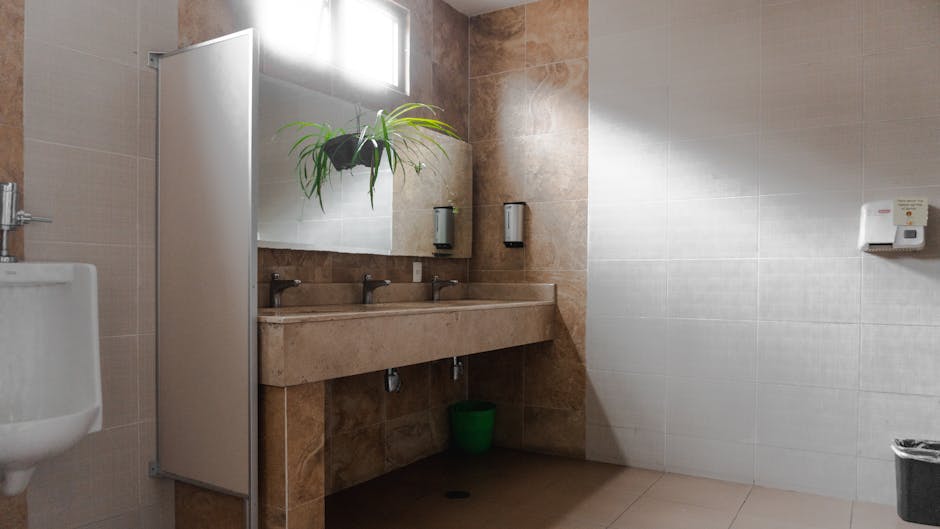
Bathroom Tech: Quick Overview

  • Smart Toilets: Antibacterial features, self-cleaning capabilities, and water efficiency.
  • LED Mirrors: Interactive displays with LED lighting and touchless technology.
  • Smart Showers: Advanced temperature control, water conservation, and digital interfaces.
  • Touchless Faucets: Improve hygiene with hands-free operation and precise temperature control.

Introduction

The integration of advanced technology into restroom facilities isn’t just a trend; it’s revolutionizing how facilities are managed and maintained. In the realm of bathroom tech, significant advancements have enhanced not only the functionality but also the hygiene and user experience of these essential spaces. This is crucial in facilities ranging from airports and corporate offices to sports arenas, where efficiency, cleanliness, and user satisfaction are paramount.

Embracing modern bathroom technologies, such as IoT-enabled devices and smart fixtures, supports operational excellence by providing real-time data and analytics. This allows facility managers to ensure restrooms are clean, well-stocked, and functioning without disruptions, directly impacting user satisfaction and operational efficiency.

Infographic showing the impact of smart bathroom technologies on facilities management, highlighting increased hygiene, reduced maintenance costs, and improved user satisfaction - bathroom tech infographic step-infographic-4-steps

Leveraging these tech innovations transforms traditional restroom maintenance by enabling proactive management and offering insights that drive faster, data-driven decision-making. As we explore these technologies further, we’ll delve into how they not only enhance the functionality of bathroom facilities but also contribute to sustainability and improved overall facility management.

Exploring the Latest in Bathroom Tech

Smart Toilets and Hygiene

Smart toilets are revolutionizing bathroom hygiene with features designed to enhance cleanliness and reduce water use. These toilets often include antibacterial technology that helps prevent the growth of germs, self-cleaning capabilities that ensure the toilet is always ready for the next user, and water efficiency systems that significantly cut down on water waste. These features not only promote sustainability but also provide a more hygienic restroom experience, which is crucial in public or highly frequented environments.

Innovative Mirror Technologies

Today’s restroom mirrors are not just reflective surfaces. They incorporate interactive displays and LED lighting to enhance functionality and aesthetics. Many mirrors now come equipped with touchless technology, allowing users to control lighting and other features without physical contact, minimizing the spread of bacteria. These mirrors can simulate natural lighting, which is perfect for makeup application or grooming, enhancing the user experience through thoughtful, interactive design.

Advanced Shower Systems

Smart showers redefine the bathing experience with advanced technology that allows for temperature control, water conservation, and digital interfaces. Users can preset their preferred shower settings, reducing water waste and ensuring each experience is tailored to personal preferences. These systems often include features like thermal stats that keep water temperature consistent, providing both comfort and safety.

Faucet Innovations for Better Hygiene

In the realm of smart faucets, touchless operation has become a hallmark of modern bathroom design. These faucets often feature temperature precision to prevent scalding and promote energy conservation. The water conservation technology in these faucets ensures minimal water use, which is crucial in areas facing water scarcity or aiming to reduce utility bills.


Each of these technologies not only enhances the functionality and hygiene of bathroom facilities but also aligns with broader sustainability goals. By integrating such innovations, facilities can significantly improve operational efficiency, reduce waste, and provide a safer, more comfortable environment for users. As we continue to integrate more intelligent solutions into bathroom tech, the potential for improved facility management and user satisfaction increases dramatically.

Integration of IoT and AI in Bathroom Tech

IoT Devices Enhancing Bathroom Functions

The integration of IoT devices in bathroom tech has revolutionized how we manage facility operations. These devices include sensors and smart dispensers that significantly enhance the functionality and efficiency of bathroom environments. For instance, sensors in restrooms can monitor soap and paper towel levels, sending alerts to maintenance staff when supplies are low. This ensures that restrooms are always well-stocked and functional, improving user satisfaction and reducing the workload on facility managers.

Smart dispensers, on the other hand, offer touchless operation, reducing the spread of germs and maintaining high hygiene standards. These dispensers can also track usage patterns, providing data that can help in optimizing resource allocation and scheduling refills.

AI and Predictive Analytics in Facility Management

AI applications in bathroom tech go beyond basic automation and into the realm of predictive analytics. By analyzing usage patterns and maintenance data, AI can predict when a bathroom is likely to require servicing before it becomes apparent. This proactive approach to maintenance not only prevents the inconvenience of out-of-service facilities but also helps in extending the lifespan of the equipment through timely interventions.

For example, AI can analyze historical data to predict peak usage times, allowing for better scheduling of cleaning services, thus ensuring that facilities are in optimal condition when user demand is highest. This level of predictive analytics leads to significant efficiency improvements in facility management, reducing downtime and enhancing user experience.

Real-Time Data for Proactive Management

The power of real-time data in managing bathroom facilities cannot be overstated. IoT technologies enable the continuous monitoring of various aspects of bathroom environments, from air quality to occupancy levels. This data is invaluable for facility managers, who can make informed decisions quickly, adapting to changing conditions in real-time.

Monitoring systems can alert managers to issues such as water leaks or overflows as they happen, allowing for immediate action to prevent damage or wastage. Reporting tools provide detailed insights into daily operations, helping managers identify trends and areas for improvement. These capabilities ensure that decisions are data-driven, enhancing the overall efficiency and effectiveness of facility management.

By integrating IoT and AI into bathroom tech, facilities can not only improve their operational efficiency but also offer a safer, more satisfying experience to users. These technologies allow for a level of proactive management that was previously impossible, marking a significant step forward in the field of facility management. As we continue to harness these innovations, the scope for improvement and optimization in bathroom tech will only broaden, paving the way for smarter, more responsive facilities.

The Role of Bathroom Tech in Enhancing Facility Management

Improving Operational Efficiency

Automated Systems: The integration of automated systems in bathroom technology has significantly streamlined operations within facilities. For instance, IoT-enabled soap dispensers and automatic faucets reduce the need for manual checks and maintenance. These devices can notify facility managers in real-time when supplies are low or when there is a need for maintenance, thus preventing any inconvenience to users and ensuring continuous operation.

Reduced Waste: Smart technologies in bathrooms have also been pivotal in reducing waste. For example, touch-free faucets equipped with sensors ensure that water runs only when needed, significantly cutting down on water wastage. This not only conserves water but also reduces the facility’s overall utility costs.

Energy Savings: With the introduction of LED lighting and energy-efficient hand dryers, facilities are seeing a decrease in energy consumption. These technologies are designed to consume less power while maintaining high efficiency, contributing to lower energy bills and supporting sustainability goals.

Enhancing User Experience and Safety

Comfort Features: Smart bathrooms elevate user comfort through features like temperature-controlled floors and automatic deodorizers, making visits to the bathroom more pleasant. For instance, a smart mirror can display news or weather updates, enhancing the user experience.

Safety Sensors: The safety of users is paramount, and modern bathroom tech addresses this through features like slip detection sensors and emergency alerts. These technologies can detect falls or other accidents and immediately alert facility staff, ensuring swift response to any potential emergencies.

User-Friendly Interfaces: Smart bathrooms are equipped with user-friendly interfaces that make it easy for people of all ages and abilities to interact with. Features like voice-activated faucets and adjustable mirrors cater to a broad range of needs, enhancing accessibility and ease of use.

Sustainability Through Tech

Water Recycling: Advanced systems like greywater recycling are now being integrated into smart bathrooms. These systems reuse sink and shower water for toilet flushing, significantly reducing the total water usage of the facility.

Energy-Efficient Appliances: From hand dryers to automatic faucets, the appliances used in smart bathrooms are chosen for their energy efficiency. This not only helps in reducing the carbon footprint but also aligns with global sustainability efforts.

Sustainable Materials: The construction and renovation of bathrooms now often include materials that are both durable and sustainable. For instance, recycled tiles or countertops made from renewable materials not only look modern but also contribute to the environmental goals of the facility.

By leveraging bathroom tech, facilities can achieve remarkable improvements in operational efficiency, enhance user safety and experience, and make significant strides towards sustainability. This holistic enhancement in facility management not only optimizes operations but also provides a cleaner, safer, and more enjoyable environment for users. The continued integration of these technologies will play a crucial role in shaping the future of smart facilities, making them more efficient and responsive to the needs of those they serve.

Conclusion

The Future of Smart Bathrooms

The realm of smart bathrooms is continuously evolving, driven by relentless innovation and the growing demand for smarter, more efficient spaces. As we look towards the future, we can expect the integration of even more advanced technologies that not only enhance user comfort but also promote sustainability and efficiency. Innovations such as AI-driven predictive maintenance, advanced water recycling systems, and even more intuitive user interfaces are on the horizon. These advancements will further integrate smart bathrooms with broader smart home and facility systems, creating seamless, interconnected environments that respond dynamically to user needs.

TRAX Analytics: Pioneering Smarter Facility Management

At TRAX Analytics, we are at the forefront of transforming facility management through cutting-edge bathroom tech. Our innovative solutions harness the power of IoT and real-time analytics to deliver unparalleled operational excellence and an enhanced visitor experience. By providing actionable insights and predictive analytics, we empower facility managers to proactively address maintenance needs, optimize resource use, and ensure the highest standards of cleanliness and safety.

Our commitment to innovation is evident in our comprehensive suite of smart restroom technologies, from touchless sensors that reduce cross-contamination to smart dispensers that ensure optimal resource use. These technologies not only elevate the user experience but also drive significant operational efficiencies, reducing waste and lowering costs.

As we continue to innovate, our focus remains on delivering solutions that not only meet but exceed the evolving needs of facilities and their users. By staying ahead of industry trends and continually integrating the latest technologies into our offerings, TRAX Analytics is setting new standards in facility management.

For those interested in exploring how our smart washroom management systems can transform your facilities, we invite you to learn more on our Smart Washroom Management System page. Discover how our solutions can enhance your operations and create a more sustainable, efficient, and user-friendly environment.

In conclusion, the future of smart bathrooms and facility management is bright with endless possibilities. With TRAX Analytics leading the way, facilities can look forward to not only meeting the current demands of cleanliness and efficiency but setting new benchmarks in how spaces are managed and experienced.

The Ultimate Guide to Choosing Janitorial Job Costing Software

Understanding Janitorial Job Costing Software

When you’re diving into janitorial management, one of the crucial components is janitorial job costing software. It’s designed not just as a tool, but as a strategic partner that helps you track every dollar and every minute spent on your cleaning projects. Whether it’s labor, supplies, or overhead costs, this software grips the details tightly, ensuring you’re not bleeding cash in unseen corners.

In managing a janitorial service, knowledge is power. The use of sophisticated software in job costing converts raw data from your daily operations into actionable insights. This empowers you to make informed decisions that enhance efficiency and profitability. Imagine being able to pinpoint exactly where your budget is utilized best or identify which tasks are devouring your profit margins—this is the level of management finesse that job costing software brings to your table.

Why It Matters

Utilizing such software offers a bevy of benefits. First, it simplifies the complex. By breaking down costs job by job, it forecasts more accurate budgets and refines your billing process, securing your financial bottom line. Additionally, it promotes accountability among your staff, ensuring that time and resources are used judiciously.

For facilities and operations managers, this isn’t just about maintaining cleanliness—it’s about embracing efficiency at every turn. In your quest for operational excellence, integrating the right job costing software isn’t just beneficial; it’s essential.

Detailed infographic depicting key benefits and functionalities of janitorial job costing software, including labor tracking, supply cost analysis, overhead cost management, and impact on overall profitability - janitorial job costing software infographic infographic-line-3-steps

This introduction lays the groundwork as we delve deeper into the functionalities of job costing software and how it’s an indispensable tool for any janitorial business striving for precision and profitability. Stay tuned as we explore more on why these tools are integral to modern janitorial services and how they transform everyday operations into a streamlined powerhouse of productivity and efficiency.

Why Janitorial Job Costing Software is Essential

In the world of janitorial services, having a finger on the pulse of every aspect of your operations is not just an advantage; it’s a necessity. This is where janitorial job costing software steps in, turning potential chaos into a well-oiled machine.

Key Features to Look for in Janitorial Job Costing Software

When selecting job costing software, certain features are vital to ensure that your business not only survives but thrives:

  • Labor Tracking: Know who is doing what, when, and for how long. This helps in managing payroll accurately and efficiently.
  • Supply Cost Tracking: Keep tabs on your inventory. Know what’s being used, how much, and the cost attached to it.
  • Overhead Cost Management: It’s essential to track not just direct costs like labor and supplies, but also indirect costs like utilities and equipment depreciation.
  • Real-Time Updates: When things change in a blink, having real-time data helps you make informed decisions quickly.

How Janitorial Job Costing Software Enhances Business Operations

Implementing job costing software transforms operations in several impactful ways:

  • Efficiency: Automating the tracking of labor, supplies, and overhead costs cuts down the time spent on manual entries and reduces errors. This means tasks are completed faster and more accurately.
  • Accuracy: With precise data entry and real-time updates, you can trust the numbers you see. This accuracy is crucial for budgeting, forecasting, and planning.
  • Profitability: By understanding the exact cost of each job, you can set prices that cover costs and generate a healthy profit. You also identify which services are most profitable and which need pricing or operational adjustments.
  • Real-Time Data: Immediate access to data means you can respond to issues as they arise, not after the fact. This agility can be the difference between a satisfied client and a lost contract.

  • Cost Control: With clear visibility into every cost, you can pinpoint areas where you’re overspending and adjust accordingly.

  • Enhanced Decision-Making: Data-driven insights allow you to make strategic decisions that align with your business goals. Whether it’s scaling operations, adjusting service offerings, or reallocating resources, you have the information you need at your fingertips.
  • Improved Financial Reporting: Comprehensive reports simplify financial management and make it easier to communicate business performance to stakeholders.

By integrating janitorial job costing software, janitorial businesses not only streamline their operations but also enhance their strategic decision-making. This technology is not just about keeping track of numbers—it’s about transforming those numbers into actionable insights that drive business growth and profitability.

We’ll compare top software options and discuss how to leverage these tools for a competitive edge. Stay tuned to learn how to make your janitorial service more efficient, accurate, and profitable through the smart application of technology.

Implementing Janitorial Job Costing Software

Implementing janitorial job costing software can significantly boost your janitorial business’s efficiency and profitability. However, the process involves careful planning and execution. Here’s a step-by-step guide to ensure a successful implementation.

Steps to Successfully Implement Janitorial Job Costing Software

  1. Selection: Choosing the right software is crucial. Look for features that match your specific business needs such as real-time data analytics, labor and supply cost tracking, and overhead cost management. It’s essential to select a software that integrates seamlessly with your existing systems.

  2. Training: Once you’ve selected your software, training your team is the next critical step. Ensure that everyone who will use the software understands how to operate it effectively. This might involve multiple training sessions or even one-on-one coaching for certain staff members.

  3. Go-live Support: During the go-live phase, it’s important to have robust support from your software provider. This can include access to a dedicated support team who can assist with any technical issues and help smooth out any operational kinks.

Common Challenges and Solutions in Software Implementation

  1. Data Migration: Transferring existing data into a new system can be daunting. To minimize errors, work closely with the software provider to understand the best practices for data migration specific to their system.

  2. User Adoption: Resistance to change is common. Address this by highlighting the benefits of the new system and involving key team members in the selection process. Continuous training and support can also ease the transition.

  3. Initial Costs: Upfront costs can be a barrier. Consider the long-term savings and efficiency gains when evaluating the cost. Some providers offer flexible payment plans or phased implementation options to spread out costs.

  4. Ongoing Maintenance: Regular updates and maintenance are vital to keep the software running smoothly and securely. Ensure your provider offers comprehensive maintenance and support plans.

By following these steps and preparing for potential challenges, your implementation of janitorial job costing software will be positioned for success. This strategic investment not only enhances operational efficiency but also empowers your business to make data-driven decisions that spur growth and profitability.

In the next section, we will explore how to compare the features of top janitorial job costing software options and use this technology to gain a competitive advantage in the market. Stay tuned for more insights on maximizing your investment in janitorial technology.

Comparing Top Janitorial Job Costing Software Features

When you’re diving into janitorial job costing software, knowing how to sift through the myriad of options is crucial. Let’s break down the process into manageable parts: analyzing software options and leveraging the software for a competitive edge.

How to Analyze and Compare Software Options

Feature Comparison

Start by laying out what each software offers. Does it include labor tracking, supply cost tracking, and overhead cost management? How about real-time updates? These features are essential for keeping your operations tight and costs transparent.

User Reviews

What are other users saying? Look for feedback on the software’s reliability, customer support, and ease of use. User reviews can provide insights that you won’t find in product descriptions.

Industry Reputation

Consider how well-known the software is in the janitorial sector. A good reputation usually means the software has been tested and trusted in various scenarios, which can be reassuring.

Feature Set

Examine whether the software’s features align with your specific needs. Can it scale according to your business size and needs? Is it customizable?

Scalability

Your business will grow, and so should your software. Can the software handle increasing amounts of data and more complex operations as your business expands?

Security

This is non-negotiable. Ensure that the software provides robust security measures to protect your data.

Cost-effectiveness

Finally, balance the features and benefits against the cost. The most expensive option isn’t always the best. Choose one that offers good value for money.

Leveraging Janitorial Job Costing Software for Competitive Advantage

Strategic Bidding

Use detailed insights from the software to submit competitive bids. You can analyze past jobs to understand true cost implications and quote more accurately in future tenders.

Labor Optimization

With real-time data, optimize your staffing. Allocate the right number of workers to each job and reduce idle time. This not only saves cost but also boosts employee morale by avoiding overwork.

Resource Allocation

Efficiently manage your resources by tracking which materials are used most and adjusting inventory accordingly. This prevents overstocking and understocking, saving money and space.

Implementing the right janitorial job costing software can transform your operational efficiency and strategic positioning. By understanding and utilizing the comprehensive features of your chosen software, you can not only keep your costs in check but also enhance service delivery, leading to better customer satisfaction and retention. With these tools at your disposal, your business is well-equipped to handle the demands of the modern janitorial services market and stand out from the competition.

Conclusion

The Role of TRAX Analytics in Transforming Janitorial Management

In the rapidly evolving world of janitorial management, staying ahead means embracing change and harnessing the power of innovative technology. At TRAX Analytics, we believe that the future of janitorial software lies in continuous improvement and the strategic application of real-time analytics. Our solutions are designed to not only meet the current needs of facility managers but to anticipate future challenges and opportunities in facility maintenance.

Innovative Technology: Our platform integrates cutting-edge technologies such as IoT devices and automation systems that revolutionize traditional janitorial practices. These tools empower janitorial teams to deliver high-quality services more efficiently. For instance, our SmartRestroom solution utilizes sensors to monitor consumables and cleanliness, ensuring that facilities are maintained proactively rather than reactively.

Real-time Analytics: The backbone of our janitorial management solutions is real-time data analytics. This capability allows facility managers to make informed decisions quickly, based on accurate and up-to-date information. Whether it’s tracking the usage of supplies or monitoring the cleanliness levels of different areas, our analytics provide a comprehensive view that helps in optimizing operations and reducing waste.

Enhanced Visitor Experience: The goal of any janitorial service is to ensure a clean, safe, and welcoming environment for all visitors. TRAX Analytics enhances this visitor experience by maintaining high standards of cleanliness and hygiene. Our technology not only ensures that cleaning tasks are performed on schedule but also adapts to the varying foot traffic and usage patterns of facilities, ensuring that no area is overlooked.

As we look to the future, TRAX Analytics is committed to leading the charge in the janitorial software industry by continuously refining our technologies and expanding our capabilities. We aim to provide not just a product but a comprehensive solution that adapates to the ever-changing landscape of facility management. Our focus on innovation, customer satisfaction, and operational excellence makes us a trusted partner in transforming janitorial management.

By integrating TRAX Analytics into your operations, you’re not just adopting a software; you’re embracing a future where janitorial management is predictive, responsive, and aligned perfectly with the needs of your facility. Let us help you take the first step towards a cleaner, more efficient, and customer-focused tomorrow.

7 Signs You Need Help with Amalgamated Facilities Management

Amalgamated facilities management integrates various services necessary to ensure efficient and smooth operations within buildings and facilities. This encompasses everything from maintenance and cleaning to safety checks and energy management. Initially, signs that you may need professional services in this field can be subtle but critical.

  • High operational costs or energy inefficiency
  • Frequent equipment breakdowns or failures
  • Non-compliance with current safety or building regulations

This management style is vital for maintaining the sustainability and functionality of a facility, ensuring that all systems operate harmoniously and efficiently. It minimizes downtime, optimizes performance, and ensures compliance with regulatory standards, providing a safer and more productive environment for everyone involved.

Small issues like a flickering light or a slow leak might seem minor, but they can be early indicators of larger systemic problems. By recognizing these early signs and understanding their importance, facility managers can act swiftly to mitigate risks and enhance operational efficiency.

Infographic showing key indicators and benefits of amalgamated facilities management, highlighting reduced costs, improved safety compliance, higher operational efficiency, and enhanced employee satisfaction - amalgamated facilities management infographic pillar-4-steps

Recognizing the Need for Professional Facilities Management

When managing a large facility, whether it’s an airport, corporate office, or sports complex, the efficiency and safety of operations are paramount. Recognizing the need for professional facilities management is crucial in maintaining not only the integrity of the building but also the safety and satisfaction of its occupants. Here are some key areas where professional facilities management becomes essential:

Inefficient Operations

High energy costs and frequent breakdowns are clear indicators of inefficient operations within a facility. These issues often arise from outdated systems or poor management practices that fail to leverage advanced technologies like IoT and real-time analytics. For instance, facilities that experience high energy bills may benefit significantly from smart HVAC systems that optimize energy use based on real-time data and occupancy patterns.

Amalgamated facilities management can address these inefficiencies by integrating modern technologies that monitor and control various building operations, leading to reduced operational costs and enhanced sustainability.

Poor Compliance Standards

Regulatory fines and safety issues can result from non-compliance with industry standards and regulations. Facilities management plays a crucial role in ensuring all operations adhere to legal requirements, which can vary significantly across different regions and industries. For example, failure to comply with fire safety standards not only results in hefty fines but can also put lives at risk.

Professional facilities management teams are equipped with the expertise to conduct regular compliance audits and risk assessments, ensuring all aspects of the facility meet the necessary standards and regulations.

Inadequate Maintenance Responses

Delayed repairs and unplanned downtime are symptoms of inadequate maintenance strategies. These issues often lead to higher repair costs and can disrupt the normal functioning of the facility, affecting overall productivity and operations. For instance, a simple issue like a leaking pipe can escalate into a major water damage incident if not addressed promptly.

With amalgamated facilities management, maintenance schedules are meticulously planned and executed, utilizing predictive maintenance techniques to foresee potential breakdowns before they occur. This proactive approach not only saves on repair costs but also minimizes downtime, enhancing the facility’s overall efficiency and reliability.

By addressing these critical areas, professional facilities management ensures that facilities operate at their best, with reduced costs, adherence to legal standards, and timely maintenance responses. This not only enhances the operational aspects of a facility but also improves safety and occupant satisfaction, making it a necessary investment for any large-scale facility operation.

Key Services in Amalgamated Facilities Management

Comprehensive Building Services

HVAC, Plumbing, Electrical Services

In the realm of amalgamated facilities management, ensuring a well-maintained and efficiently running building is crucial. This involves a detailed focus on essential services such as HVAC (Heating, Ventilation, and Air Conditioning), plumbing, and electrical systems. These systems are the backbone of building operations, affecting everything from climate control and water supply to power and lighting. Regular checks and maintenance of these systems not only ensure a comfortable environment but also prevent the occurrence of major issues that could disrupt building operations.

Preventative Maintenance

Scheduled Inspections, Lifecycle Management

Preventative maintenance is another cornerstone of effective facilities management. This service involves scheduled inspections and lifecycle management of all critical systems and equipment. By adopting a proactive approach, facilities management teams can identify potential problems before they escalate into costly repairs. Scheduled inspections help in maintaining the efficiency of equipment, extending their lifespan, and ensuring that they operate within their expected parameters. Lifecycle management, on the other hand, involves understanding the expected operational lifespan of equipment and planning replacements or upgrades in a timely, budget-friendly manner.

Safety and Compliance

Fire Safety, Security Systems, Compliance Audits

Safety and compliance are paramount in any facility management operation. This includes maintaining rigorous fire safety standards, implementing robust security systems, and conducting regular compliance audits. Fire safety measures involve regular checks and maintenance of fire alarms, sprinkler systems, and other firefighting equipment. Security systems, including surveillance cameras and access control mechanisms, ensure the safety of the premises and its occupants. Compliance audits are critical to ensure that the facility meets all local, state, and federal regulations, helping avoid legal issues and fines.

By integrating these key services, amalgamated facilities management ensures that facilities are not only operational and efficient but also safe and compliant with all necessary regulations. This holistic approach is essential for the smooth operation of any large-scale facility, underlining the importance of a skilled and knowledgeable facilities management team.

Technological Integration in Facilities Management

Leveraging IoT and AI

In the realm of amalgamated facilities management, the adoption of Internet of Things (IoT) and Artificial Intelligence (AI) technologies marks a significant evolution. These technologies enable more than just automation; they revolutionize how facilities are monitored and managed.

Real-time monitoring through IoT devices means that facility managers can track everything from energy usage to room occupancy without being on-site. Sensors can send alerts the moment a potential issue arises, allowing for immediate response. Similarly, predictive analytics use AI to analyze data from these sensors to forecast potential breakdowns before they occur. This predictive approach minimizes downtime and extends the lifespan of equipment.

Benefits of Smart Facility Management

The integration of smart technologies in facilities management brings forth numerous advantages:

  • Cost Reduction: Smart systems optimize energy use and streamline maintenance operations, significantly lowering operational costs. For instance, IoT-enabled HVAC systems adjust temperature based on real-time occupancy data, reducing unnecessary energy consumption.

  • Enhanced Efficiency: IoT and AI enhance operational efficiency by automating routine tasks and allowing staff to focus on more critical issues. For example, AI-driven analytics can prioritize maintenance tasks based on urgency and potential impact, ensuring that resources are used most effectively.

  • Improved Safety: Enhanced monitoring capabilities ensure that any hazardous conditions are identified and addressed promptly. For instance, IoT sensors can detect smoke or toxic fumes instantly, triggering alarms and ensuring swift evacuation procedures.

By harnessing these smart solutions, facilities management becomes not just reactive but proactive, predicting issues before they escalate and optimizing operations for peak performance. This not only saves costs but also enhances the overall safety and functionality of the environment, ultimately contributing to a more sustainable and efficient operation.

Continuing this trajectory of innovation, the next section will delve into specific case studies showcasing successful implementations of these technologies in facilities management.

Case Studies: Success Stories in Facilities Management

Transforming Operations with Technology

In the realm of amalgamated facilities management, the integration of advanced technologies like IoT and real-time analytics has revolutionized operations across various industries. Let’s explore two compelling case studies that highlight the transformative power of these technologies.

Case Study 1: Smart Airport Management
At a major international airport, TRAX Analytics implemented a cutting-edge facility management system that leverages IoT sensors and real-time data analytics. This system monitors everything from air quality to crowd density in real-time. The result? A significant improvement in operational efficiency and passenger experience. Delays caused by maintenance issues were reduced by 30%, and energy consumption dropped by 20%, showcasing a remarkable enhancement in both sustainability and operational cost savings.

Case Study 2: Enhanced Stadium Safety and Efficiency
Another success story comes from a well-known sports stadium where TRAX Analytics deployed smart technologies to streamline operations. By using digital maps and IoT-enabled devices, the stadium management was able to optimize the deployment of staff and enhance security measures. This not only improved the visitor experience by reducing entry wait times by 40% but also bolstered security, ensuring a safer environment for both spectators and staff.

TRAX Analytics: Pioneering Smart Facilities Management

TRAX Analytics stands at the forefront of amalgamated facilities management, pioneering solutions that integrate seamlessly with existing infrastructures to bring about substantial improvements. Here are some innovative solutions and their impacts:

Innovative Solutions
IoT Integration: By incorporating IoT devices across facilities, TRAX Analytics enables a level of connectivity and insight that was previously unattainable. These devices collect and transmit data in real-time, allowing for immediate responses to any arising issues, from leaks to security breaches.
AI-Powered Analytics: Advanced algorithms analyze the data collected to predict potential breakdowns and maintenance needs, ensuring that preventative measures are taken before issues can disrupt operations.

Enhanced Visitor Experience
The implementation of these technologies not only improves operational metrics but also significantly enhances the visitor experience. For example, in airports, real-time analytics help manage crowd flows more effectively, reducing wait times and improving the overall comfort of travelers. In corporate settings, automated climate control and lighting systems adjust in real-time to the preferences and behaviors of occupants, creating a more comfortable and productive environment.

By adopting these smart solutions, TRAX Analytics not only addresses the immediate operational challenges faced by facilities managers but also sets a new standard in the industry for efficiency, safety, and sustainability. The success stories of these implementations serve as a testament to the potential of technology-driven facilities management to transform spaces into smarter, safer, and more responsive environments.

Continuing from these impactful innovations, let’s explore how ongoing advancements in technology continue to shape the future of facilities management.

Conclusion

Throughout this article, we’ve delved deep into the intricacies of amalgamated facilities management, highlighting how merging traditional management with cutting-edge technology can significantly elevate operational efficiency and compliance in any facility. By addressing key areas such as inefficient operations, poor compliance standards, and inadequate maintenance responses, we’ve shown the necessity for professional facilities management that incorporates IoT and AI to predict and prevent issues before they escalate.

At TRAX Analytics, we are at the forefront of integrating these smart technologies to ensure that facilities are not only compliant and efficient but also proactive in their maintenance and management approaches. Our solutions, ranging from smart washroom management systems to real-time analytics, are designed to reduce costs, enhance efficiency, and improve safety, transforming ordinary facilities into top-notch, futuristic environments.

By structuring our discussion around these focused sections, we’ve tackled the essential facets of amalgamated facilities management that resonate strongly with facility and operations managers. This strategic approach not only boosts our SEO efforts but also provides actionable insights that directly address the pain points of our target audience.

We invite you to explore how TRAX Analytics can revolutionize your facilities management approach. Visit our smart washroom management system to discover more about our innovative solutions and how they can be tailored to meet your specific needs. Let us help you transform your operations with our technology-driven solutions that promise not just to meet but exceed your management expectations.

In embracing these advanced solutions, TRAX Analytics is not just keeping up with industry standards; we are setting them. Join us in this journey to redefine facilities management and ensure your space is as efficient, safe, and future-ready as possible.

Request a Demo of Our Janitorial Operations Software

Introduction to TRAX Analytics and Its Janitorial Operations Software

Are you a facility or operations manager looking to revolutionize your janitorial operations? TRAX Analytics is your solution. As a pioneering provider of technology-driven janitorial solutions, TRAX Analytics has made waves in the industry with its innovative approach to optimizing facility cleanliness and operations. With a focus on real-time data and analytics, our software delivers actionable insights to enhance guest experiences and streamline processes.

Whether you manage an airport, corporate office, convention center, or sports facility, our janitorial operations software is designed to deliver the results you need. Masterfully designed to integrate with your existing infrastructure, the software provides a seamless transition and instant enhancements to your operations.

Let’s dive deeper into the world of TRAX Analytics and how our janitorial operations software can transform your facility operations. We guarantee it’s a decision you won’t regret.

Why Choose TRAX Analytics for Your Janitorial Operations

Got janitorial operations that need a boost? It’s time to turn to TRAX Analytics. Our technology-driven solutions are designed to streamline your processes, optimize your team’s performance, and enhance guest experiences. We’re all about using data and cutting-edge technology to revolutionize your janitorial procedures. Let’s explore why TRAX Analytics is the go-to choice for your facility management needs.

Use of Technology and Data for Efficient Facility Operations

In this digital age, it’s all about leveraging data to drive efficiency. TRAX Analytics is a master at this. Our janitorial operations software provides real-time data to your connected workforce, increasing operational efficiency and enabling you to make proactive, informed business decisions. With our software, you gain complete control over your operations with real-time visibility across your entire janitorial business and its data. This means you can better understand your company—and your teams’ performance, manage labor more effectively, and make impactful decisions that help you grow more profitably.

Enhancing Guest Experiences Through Innovative Solutions

At TRAX Analytics, we don’t just stop at improving your janitorial operations. Our ultimate goal is to enhance guest experiences. With our software, you can ensure exceptional cleanliness for guests, manage facility traffic efficiently, and maintain adequate inventory levels. Moreover, our Aspire Janitorial business management software allows you to measure the performance of your jobs and contracts, and adjust your bidding templates, production factors, and markups to ensure your estimates are consistent, accurate, and profitable. This way, you can continually deliver excellent service, positively impact your guests’ satisfaction, and influence retention.

Serving Various Industries: Airports, Corporate Offices, Convention Centers, and Sports Facilities

Regardless of your industry or facility size, TRAX Analytics has got you covered. We serve a vast array of industries, providing customized solutions to meet unique operational goals. Whether you’re managing an airport, running a corporate office, overseeing a convention center, or in charge of sports facilities, our solutions can adapt to your needs. Our team of experts can assist with staffing analysis and technology consulting, provide reports on what technologies and operational workflows can be used to enhance your current or future operation, and even assist with drafting janitorial contracts. With TRAX Analytics, you can truly see how software can impact your organization and result in cost savings.

Deciding on the right janitorial operations software is crucial for the success of your facility operations. By choosing TRAX Analytics, you choose efficiency, innovation, and excellence. Now, isn’t that a choice you’d like to make?

Key Features of TRAX Analytics Janitorial Operations Software

In the highly competitive field of janitorial management, having the right software can make all the difference in efficiency and productivity. TRAX Analytics provides a comprehensive solution that addresses the critical needs of facility managers and operations managers. Let’s delve into the key features that make TRAX Analytics stand out in the janitorial operations software market.

Streamlined Work Order Management

One of the most significant challenges in managing janitorial operations is keeping track of work orders. TRAX Analytics software offers a seamless work order management system that allows you to assign tasks, monitor progress, and manage your team effectively. With TRAX, you can ensure that every task is completed on time and meets quality standards. This feature is designed to reduce manual workload and increase the efficiency of your operations.

Real-Time Reporting and Metrics

Data is the backbone of informed decision-making. TRAX Analytics comes equipped with real-time reporting and metrics that help you monitor your janitorial operations with precision. You can measure performance, track compliance, and identify areas that need improvement. This feature provides an enterprise view to quickly identify location deficiencies, enabling you to take corrective action promptly.

Mobile Device Accessibility for Operational Visibility

In today’s fast-paced world, having access to your operations on the go is a necessity. TRAX Analytics’ mobile solution ensures optimal operational visibility. With the use of a mobile application, TRAX Clean+Inspect allows janitorial personnel to digitally manage tasks, while supervisors can conduct quality control inspections across the facility. This feature ensures optimal quality and cleanliness while also providing real-time proof of service.

Integration with Existing Systems

One of the standout features of TRAX Analytics is its seamless integration with your existing systems. The software is designed to work in harmony with your current infrastructure, eliminating the need for costly and time-consuming system overhauls. TRAX’s team is responsible for configuring your software and hardware, managing the design and development of custom API integrations to new systems and sensors continually.

Having a janitorial operations software that integrates with your existing systems not only simplifies your operations but also ensures that you can leverage your current resources effectively.

With these robust features, TRAX Analytics offers a complete solution that meets the unique needs of your janitorial operations. Whether you’re looking to streamline work order management, gain real-time insights, or enhance mobility, TRAX Analytics has got you covered.

How to Request a Demo for TRAX Analytics Janitorial Operations Software

Embarking on the journey to enhance your janitorial operations starts with a simple step: requesting a demo. Getting a firsthand experience of how TRAX Analytics can transform your facility management is as easy as 1-2-3.

Providing Company Information and Current Work Order Management Program Usage

The first step to requesting a demo involves providing some basic information about your company. This includes your company name, the types of services you offer to your clients, and the number of branch locations and employees. Also, TRAX Analytics is interested in your current work order management program usage. Whether you’re using an existing program or not, this information helps TRAX Analytics understand your current processes better and propose more targeted solutions.

Discussing Problems with Current Work Order Management

To tailor their demo to your specific needs, TRAX Analytics also wants to know about the challenges you’re facing with your current work order management method. Are you having trouble tracking work orders? Struggling with customer interactions? Or perhaps having difficulty with job costing? By pinpointing your pain points, TRAX Analytics can highlight relevant features of their software that will address your issues directly during the demo.

Scheduling a Demo: Contact Information

Finally, to schedule a demo, you can reach out to TRAX Analytics through their contact information. You can either send them an email at sales@traxinsights.com or call them at (770) 209-9925. Make sure to provide your name, email, phone number, and the best time for you to attend the demo. Their team will get back to you promptly to confirm your demo schedule and address any preliminary inquiries you might have.

Embarking on a new path to enhanced facility management is just a demo away. By providing some basic information and expressing your unique needs, you can start discovering the potential of TRAX Analytics to revolutionize your janitorial operations.

Testimonials and Reviews: Satisfied Customers of TRAX Analytics

When it comes to choosing a janitorial operations software, nothing speaks louder than the experiences of satisfied customers. TRAX Analytics has established a solid reputation among its diverse clientele, with facilities managers from airports, corporate offices, convention centers, and sports facilities all attesting to the game-changing impact of its software.

Take for instance, the Phoenix-Mesa Airport. The operations manager there, Robert, found that with TRAX’s software, he could bridge the gap between desk work and active supervision. The advanced technology helped him feel more connected to real-time operations and enabled him to effectively oversee his team’s performance.

JCM Business Solutions, a certified facility management and janitorial services organization, also leveraged the power of TRAX to standardize their operations and benchmark their janitorial services across all client bases. They reported significant improvements in their operational efficiency after implementing the software.

Moreover, the Syracuse Hancock International Airport found immense value in TRAX’s Clean+Inspect and SmartRestroom system. The data collected on the arrival times of custodians, the duration of cleaning tasks, inventory usage, and cleaning frequency has proved instrumental in enhancing their janitorial operations.

TRAX’s software has also impressed the Riverside Convention Center, whose partnership with TRAX led to enhanced reporting capabilities and a significant streamlining of their custodial operations. They were so satisfied with the system that they are looking to upgrade to a Smart Restroom license for more data visibility.

The testimonials of these satisfied customers underscore the transformative power of TRAX Analytics’ janitorial operations software. It doesn’t just bring about improvements in efficiency and cleanliness; it also empowers facilities managers with actionable insights and data-driven decision-making capabilities. When you request a demo of TRAX’s software, you’re not just exploring a new tool, you’re taking the first step towards a smarter, more efficient, and more effective approach to janitorial operations.

Conclusion: Enhance Your Facility Management with TRAX Analytics

In the dynamic world of facility management, staying ahead of the curve means embracing technology and innovation. TRAX Analytics presents the perfect solution for your janitorial operations, combining real-time reporting, streamlined work order management, and mobile accessibility for optimal operational visibility.

Remember, effective facility management goes beyond just maintaining cleanliness. It’s about enhancing guest experiences, optimizing operations, and making data-driven decisions. The TRAX Analytics janitorial operations software is designed to do just that. Whether you’re managing airports, corporate offices, convention centers, or sports facilities, this software is your key to unlocking efficiency and improving standards.

The software’s ease of integration with existing systems makes the transition smooth and hassle-free. More so, the support from the TRAX Analytics team ensures you can navigate through the process with ease. And the best part? You can request a demo right away and get a firsthand experience of how this software can revolutionize your janitorial operations.

Our satisfied customers bear testament to the value and efficiency that TRAX Analytics brings to their operations. From improved task management to insightful analytics, the benefits are numerous and impactful. So why wait? Embrace the future of facility management with TRAX Analytics.

In conclusion, TRAX Analytics provides the technology, the tools, and the support you need to take your janitorial operations to the next level. Request a demo today and transform your facility management operations for a cleaner, more efficient, and more guest-friendly tomorrow.

The Ultimate Guide to Digital Technologies in Facility Management

Digital Transformation in Facility Management: A Quick Overview

  • Data Analytics: Unlocking insights to optimize operations
  • Automation & AI: Streamlining tasks, from maintenance to security
  • Sustainability: Technologies leading to greener, more efficient buildings
  • IoT: The backbone of smarter, connected facilities

Facility management is stepping into the future. It’s not just about fixing what’s broken anymore. Today, it’s about predicting what will break before it does, understanding how every part of a building can work better, and making facilities greener, smarter, and more efficient. This change isn’t just nice to have; it’s essential. The world is moving fast, and staying stuck in the past means getting left behind.

Why? Because the benefits are too big to ignore. Better use of energy saves money and helps the planet. Understanding the life cycle of equipment means you’re not caught off guard. And having a building that reacts to needs in real time? That’s not the future; that’s today, thanks to the Internet of Things (IoT) and Artificial Intelligence (AI).

Digital Transformation in Facility Management: Understanding The Impact - digital technologies in facility management infographic pillar-4-steps

Let’s face it: Managing a facility isn’t getting any simpler. But with the right technologies, it can definitely become more efficient. That’s what digital transformation in facility management is all about. Whether you’re overseeing an airport, a corporate office, or a sports facility, integrating digital technologies like IoT, real-time analytics, and smart solutions is key to enhancing operational efficiency and cleanliness, catering to the exacting standards of today’s facility and operations managers.

In this guide, we’ll explore everything from the foundational technologies driving this shift to actionable tactics for implementing these digital solutions in your own facilities. Ready to transform your operations? Let’s dive in.

Embracing Digital Transformation in Facility Management

The journey into the digital age for facility management is not just about adopting new technologies; it’s about rethinking how we manage spaces to create more sustainable, efficient, and user-friendly environments. This section will guide you through the key technologies catalyzing change, their practical applications, and the benefits they bring to the table.

Key Technologies Driving Change

Predictive Maintenance and Energy Management stand at the forefront of this transformation. By harnessing the power of IoT, AI, Cloud Computing, Blockchain, and AR/VR, facility management can leap from reactive to proactive, ensuring that operations are not just smooth but also predictably reliable and efficient.

  • IoT devices collect and transmit data from every corner of a facility, enabling real-time monitoring and control.
  • AI and Machine Learning analyze this data to predict failures before they happen, optimizing maintenance schedules.
  • Cloud Computing offers scalable storage and computing power for the massive amounts of data generated.
  • Blockchain can secure this data, ensuring it’s tamper-proof and reliable.
  • AR/VR technologies help in training, maintenance, and in visualizing potential changes to the facility layout without physical trials.

The Role of IoT in Facility Management

Imagine a building that understands its occupants, adjusting lighting, heating, and cooling systems automatically for optimal comfort and energy efficiency. This is not a vision of the future but a reality made possible today by the Internet of Things (IoT).

Real-time Monitoring and Data Analytics enable facility managers to keep their finger on the pulse of building operations, from tracking energy usage to monitoring the health of critical equipment. Smart buildings, equipped with interconnected IoT devices, not only optimize energy consumption but also enhance the safety and comfort of occupants.

Leveraging AI for Proactive Maintenance

The true power of AI in facility management lies in its ability to predict and prevent rather than just diagnose and repair. Predictive Analytics sift through historical and real-time data to forecast equipment failures, allowing facility managers to move from a schedule-based maintenance approach to one that’s condition-based.

Machine Learning algorithms improve over time, learning from every incident and adjustment to make even more accurate predictions. This not only reduces downtime but also extends the lifespan of equipment, translating to significant cost savings and operational efficiency.

Energy Management is another area where AI makes a big impact. By analyzing patterns in energy use, AI can identify inefficiencies and suggest adjustments, such as dimming lights in unoccupied rooms or adjusting HVAC settings based on weather forecasts and occupancy patterns.


As we continue to navigate through the digital transformation in facility management, the integration of these technologies not only promises enhanced operational efficiency but also a greener, more sustainable future. The adoption of IoT and AI, supported by cloud computing and secured by blockchain, paves the way for smarter buildings that are not just reactive environments but adaptive spaces that anticipate and meet the needs of their occupants.

Ready to take the next step in your digital transformation journey? Stay tuned as we delve deeper into the best practices for implementing these cutting-edge technologies in your facilities.

Implementing Digital Technologies for Enhanced Efficiency

In facility management, digital technologies are not just buzzwords; they’re essential tools that pave the way for significant improvements in operational efficiency and cost savings. Let’s explore how these technologies are making a real impact.

Facility Management Software Systems (FMSS)

The heart of modern facility management lies in Facility Management Software Systems (FMSS). These systems, like Siemens’ Desigo CC, bring everything under one roof. Imagine having a dashboard where you can control, monitor, and analyze every aspect of your facility – from energy consumption to room bookings. That’s the power of FMSS.

  • Operational Coherence: With FMSS, gone are the days of sifting through piles of paperwork or juggling multiple software solutions. These systems provide a unified platform that streamlines tasks, reduces redundancy, and enhances decision-making.

  • Desigo CC: As a shining example, Siemens’ Desigo CC not only integrates various building management functions but also scales across different industries. Whether it’s a hospital in South America or a school in Asia, Desigo CC adapts, proving that digital solutions know no boundaries.

Internet of Things (IoT) in Facility Management

Next up, we have the Internet of Things (IoT), a network of interconnected devices that collect and share data. In facility management, IoT transforms buildings into smart entities capable of self-regulation and optimization.

  • Interconnected Devices: Sensors and smart meters work tirelessly, monitoring everything from temperature to occupancy. This real-time data collection is crucial for maintaining optimal conditions and ensuring occupant comfort.

  • Energy Savings: A significant benefit of IoT in facility management is the drastic reduction in energy consumption. Smart buildings can adjust lighting, heating, and cooling based on real-time data, leading to a reported 15% decrease in energy-related expenses.

Artificial Intelligence (AI) and Predictive Analytics

Lastly, let’s talk about Artificial Intelligence (AI) and Predictive Analytics. These technologies are not just about making buildings smarter; they’re about making them more intuitive.

  • Proactive Strategies: By analyzing data collected from various sources, AI enables facility managers to move from a reactive maintenance approach to a proactive one. Predictive analytics can forecast equipment failures before they happen, allowing for timely interventions and reducing downtime.

  • Cost Reduction: The implementation of AI and predictive analytics leads to significant cost savings. By optimizing resource use and minimizing the need for emergency repairs, facilities can enjoy a leaner operational budget.

Implementing these digital technologies is not just about keeping up with the times; it’s about redefining what’s possible in facility management. From the comprehensive oversight provided by FMSS to the energy savings offered by IoT and the forward-thinking approach of AI and predictive analytics, these tools are essential for any facility manager looking to enhance efficiency and cut costs.

Remember that the key to successful implementation lies in choosing the right technologies that align with your facility’s specific needs and goals. With the right approach, the digital transformation of your facility management practices can lead to optimized operations, substantial cost savings, and an enhanced user experience.

Eager to learn more about crafting the perfect digital transformation strategy for your facility? The next section will guide you through best practices for digital transformation in facility management, ensuring you’re well-equipped to make informed decisions.

Best Practices for Digital Transformation in Facility Management

Embracing digital transformation in facility management can seem like a daunting task. Yet, with the right approach, it can significantly enhance your operations. Below, we’ll explore how to craft a comprehensive Request for Proposal (RFP) and conduct an effective digital facility audit. These steps are crucial in aligning your facility’s needs with the capabilities of digital solutions.

Crafting a Comprehensive Request for Proposal (RFP)

When you’re ready to embrace digital technologies in facility management, starting with a clear and detailed RFP is key. Here’s how:

  • Objectives Clarity: Begin by defining what you want to achieve with digital transformation. Are you looking to reduce energy costs, improve maintenance efficiency, or enhance visitor experience? Be specific about your goals and how you’ll measure success. This clarity ensures that vendors understand your needs and can propose suitable solutions.

  • Technical Specifications: Detail the technical requirements of your digital transformation project. This includes any necessary software integrations, data migration needs, and compatibility with existing systems. Providing these details upfront minimizes the risk of misunderstandings later on.

  • Budget and Timelines: Be transparent about your budget and project timelines. This helps vendors tailor their proposals to meet your financial constraints and delivery expectations. A clear budget also facilitates negotiations, ensuring you get the best value for your investment.

Conducting a Digital Facility Audit

Understanding your starting point is essential for a successful digital transformation. Here’s how to conduct a thorough digital facility audit:

  • Digital Inventory Checklist: Create a comprehensive list of all digital assets within your facility. This includes software, hardware, and any IoT devices. Note their versions, compatibility issues, and how they’re currently used. This inventory provides a clear picture of your facility’s digital landscape.

  • SWOT Analysis: Perform a SWOT analysis to evaluate the strengths, weaknesses, opportunities, and threats related to your facility’s digital capabilities. This analysis helps identify areas for improvement and potential benefits of new digital technologies.

  • Employee Perspectives: Gather feedback from employees who interact with your facility’s digital systems daily. Their insights can reveal hidden challenges and opportunities that might not be evident from a purely technical audit. This feedback is invaluable in ensuring the chosen digital solutions address real-world needs.

By following these best practices, you’ll set a solid foundation for your facility’s digital transformation journey. A well-crafted RFP aligns your objectives with vendor offerings, while a thorough digital audit provides the insights needed to make informed decisions. Together, these steps pave the way for a successful transition to more efficient, effective facility management practices.

Ready to dive deeper into how digital technologies can revolutionize your facility management? The journey continues as we explore specific digital solutions and their impact on your operations.

Conclusion

In our exploration of digital technologies in facility management, we’ve uncovered a wealth of opportunities. These technologies aren’t just about keeping up with the latest trends; they’re about fundamentally improving how facilities operate, reducing costs, and enhancing the experience for everyone involved.

Optimized Operations have become a reality through the integration of systems like IoT and AI. Imagine a building that self-regulates its energy use, or a maintenance team that can predict equipment failures before they happen. This isn’t the future; it’s what’s happening now, and it’s transforming facility management into a proactive, rather than reactive, field.

Cost Savings are a significant benefit of digital transformation. By leveraging technologies such as IoT sensors and AI-driven analytics, facilities can drastically reduce energy consumption, minimize downtime through predictive maintenance, and streamline operations to be more efficient. These savings aren’t just pennies; they’re often substantial amounts that can be reinvested into further innovations or improvements.

Enhanced User Experience is perhaps the most noticeable impact of these technologies. Facilities that are managed digitally offer a level of comfort, safety, and convenience that was previously unattainable. From smart lighting systems that adjust based on natural light levels to AI-driven temperature controls that learn and adapt to occupancy patterns, the goal is to create spaces that are not only efficient but also genuinely pleasant to be in.

At the heart of this transformation is TRAX Analytics. We’re not just participants in the digital age of facility management; we’re pioneers, leading the charge in integrating IoT and AI to improve operations and enhance the visitor experience. Our commitment to innovation means we’re always looking for ways to leverage technology to make facilities smarter, safer, and more sustainable.

TRAX Analytics stands at the forefront of digital transformation in facility management. Our solutions harness the power of IoT and AI to offer unprecedented operational insights, leading to smarter decision-making, reduced costs, and a superior user experience. Whether it’s through real-time analytics that optimize cleaning schedules or IoT devices that monitor and adjust energy use, our goal is to empower facility managers with the tools they need to succeed in today’s digital world.

In conclusion, the journey towards digital transformation in facility management is not just about adopting new technologies. It’s about reimagining what’s possible for our buildings and the people who use them. With TRAX Analytics, facilities can unlock their full potential, creating environments that are not just managed but truly intelligent. The future of facility management is here, and it’s digital.

Revolutionizing Janitorial Tasks: CRM for Cleaning Company

Looking for the best CRM for your cleaning company? You’re in the right place.

Cleaning businesses face unique challenges, like managing a mobile workforce, keeping track of multiple job sites, and maintaining customer satisfaction. A good Customer Relationship Management (CRM) system can be a game-changer. It organizes your operations, streamlines communication with clients, and ultimately boosts your bottom line.

But with so many options, how do you choose? We’ve combed through the offerings to present the best CRMs tailored for the cleaning industry: Clean Guru for its fast implementation, Jobber for home service businesses, Janitorial Manager for specialty work, and others like Cleaning in Motion, Cleanetto, Housecall Pro, and Zoho CRM for their varied strengths in scheduling, digital marketing, and sales tracking.

Running a cleaning operation means dealing with a lot of moving parts. You need to keep track of your employees, make sure they’re at the right place at the right time, manage supplies, and ensure client satisfaction. It’s a lot to handle, and that’s where a CRM comes into play.

CRM software for cleaning companies isn’t just a luxury; it’s a necessity for staying competitive and efficient. It helps you automate follow-ups, manage contracts and leads, keep accurate customer records, and much, much more. Implementing the right CRM can truly revolutionize how your cleaning business operates, making every process smoother and more efficient.

Detailed infographic showing the key features of the best CRMs for cleaning companies, including scheduling capabilities, digital marketing tools, sales tracking features, customer communication methods, and mobile app availability - crm for cleaning company infographic pillar-5-steps

In this guide, we dive deep into why CRM is so important for the cleaning industry, the challenges you face, and how the right CRM solution can help you overcome these hurdles. Whether you’re a small operation aiming to expand or a mid-size company looking to optimize, there’s a CRM out there to suit your needs. Let’s explore how CRM technology is transforming the cleaning business landscape, one task at a time.

Best CRM Solutions for Cleaning Companies

In the cleaning industry, finding the right CRM for cleaning company operations can be a game-changer. It’s not just about keeping a neat list of clients and their preferences; it’s about streamlining every aspect of the business to enhance efficiency, improve customer satisfaction, and ultimately, boost revenue. Here’s a look at some of the top CRM solutions that are making waves in the cleaning industry:

  • Clean Guru: Boasting a stellar 4.8/5 Capterra rating, Clean Guru is tailored for small to midsize cleaning businesses. Its standout feature is the free plan it offers, making it an excellent choice for businesses testing the CRM waters without financial commitment. With pricing ranging from $55-$125/mo., it’s designed to grow with your business.

  • Jobber: With a focus on small home service companies, Jobber scores a solid 4.5/5 on Capterra. It offers a free trial to get you started and has a wide pricing range ($9-$249/mo.), ensuring there’s a plan for every budget. Jobber shines in scheduling and customer communication, crucial for businesses aiming for high customer satisfaction.

  • Janitorial Manager: Another top contender with a 4.8/5 Capterra rating, Janitorial Manager is ideal for small to midsize cleaning businesses. Although pricing details are not readily available, its strong suit is in specialty work management, making it a go-to for companies with specific cleaning services.

  • Cleaning in Motion: While it doesn’t have a Capterra rating available, Cleaning in Motion caters to a broad range of company sizes, from small to large. Its pricing ($850-$1,250) positions it as a premium option, but its focus on digital marketing makes it a valuable tool for businesses looking to enhance their online presence.

  • Cleanetto: This platform is particularly suited for small to large cleaning companies, offering a free trial to get started. With a pricing model of $99-$399/mo. for limited users, Cleanetto is the CRM of choice for businesses prioritizing customer communication and automated workflows.

  • Housecall Pro: Scoring a high 4.7/5 on Capterra, Housecall Pro is versatile, catering to small to large service businesses. Its pricing tiers ($49/$129/mo.) are competitive, and with a free trial available, it’s a great option for those focusing on scheduling and customer management.

  • Zoho CRM: With a 4.3/5 Capterra rating, Zoho CRM is designed for small to midsize businesses across various industries, including cleaning. Its affordability ($14-$52/mo.) and free plan make it an attractive option for companies looking to enhance sales and customer relationships without breaking the bank.

CRM Software - crm for cleaning company

Each of these CRM solutions offers unique features and pricing models, catering to different needs and business sizes. Whether you’re looking for fast implementation, specialty work management, or tools to boost sales and scheduling, there’s a CRM platform out there that can help your cleaning business achieve its goals. The best CRM for your cleaning company is the one that fits your specific needs, scales with your growth, and improves your bottom line.

In the next section, we’ll dive into the key features to look for in a CRM, helping you make an informed decision for your cleaning business.

Key Features to Look for in a CRM

When searching for the perfect CRM for cleaning company operations, there are several key features you should keep an eye out for. These features not only streamline your business processes but also enhance customer satisfaction and drive sales. Let’s break them down:

Scheduling

A top-notch CRM system should offer robust scheduling capabilities. This means easy booking, rescheduling, and cancellation processes for both your staff and your clients. Look for a CRM that allows you to manage your team’s calendar in real-time to avoid double bookings and ensure optimal workflow.

Digital Marketing

Your CRM should be your ally in digital marketing efforts. It should help you capture leads, automate email campaigns, and track the effectiveness of your marketing strategies. A CRM with built-in digital marketing tools can significantly increase your reach and help you target the right audience.

Sales Tracking

Understanding where your sales are coming from is crucial. A good CRM system will provide detailed sales tracking features, allowing you to monitor leads, conversions, and customer lifetime value. This data is invaluable for refining your sales strategies and boosting your bottom line.

Customer Communication

Clear and timely communication is the backbone of customer satisfaction. Your CRM should facilitate seamless communication with your clients, including automated appointment reminders, follow-up emails, and feedback requests. This ensures your clients feel valued and heard, leading to higher retention rates.

Mobile App

In today’s world, having access to your CRM on the go is a must. A mobile app allows you and your team to update schedules, communicate with clients, and track sales from anywhere. This flexibility improves efficiency and ensures you’re always connected to your business.

Automated Workflows

Lastly, automation is key to scaling your business without compromising on service quality. Look for a CRM that offers automated workflows for tasks like invoicing, payment processing, and customer follow-ups. This not only saves you time but also reduces the risk of human error.

By focusing on these key features, you’ll be able to choose a CRM that not only meets the unique needs of your cleaning business but also supports its growth and enhances operational efficiency. The goal is to find a CRM that makes your life easier and your business more profitable.

We’ll explore how implementing the right CRM can transform your cleaning business, from boosting client retention to streamlining operations.

Implementing CRM in Your Cleaning Business

Implementing a CRM for your cleaning company might seem like a big step, but it’s a game-changer. Let’s break down how it can make a difference, focusing on fast implementation, specialty work, small businesses, sales enhancement, and scheduling optimization.

Fast Implementation

Time is money, and for cleaning businesses, this couldn’t be truer. When choosing a CRM, look for options that promise quick setup times. You want to get up and running without getting bogged down in technical details. Some CRMs offer guided setups and training materials to speed up the process. The quicker you implement, the sooner you’ll see benefits.

Specialty Work

Your cleaning business might have a niche, like eco-friendly products or specialized cleaning services. A CRM can help you highlight these specialties in your marketing and service offerings. By using a CRM to manage customer preferences and history, you can easily tailor your services to meet specific needs, setting your business apart from competitors.

Small Businesses

If you’re a small operation, don’t think a CRM isn’t for you. On the contrary, CRMs can be invaluable for small businesses, helping to manage tasks that you might not have staff for. Look for a CRM that scales with your business so you can start small and expand features as you grow. This approach ensures you’re only paying for what you need when you need it.

Sales Enhancement

A CRM does more than just manage current customers; it’s a powerful tool for boosting sales. By tracking leads and analyzing data, you can identify sales opportunities and improve conversion rates. Automated follow-ups and personalized communication, facilitated by the CRM, can turn leads into loyal customers.

Scheduling Optimization

A challenge in the cleaning industry is efficiently scheduling jobs. A good CRM can take the headache out of this process with features like calendar integration, automated reminders, and mobile access for your team. This not only saves time but also improves customer satisfaction by ensuring jobs are completed on schedule.

Implementing a CRM in your cleaning business is not just about adopting new software; it’s about embracing a tool that streamlines operations, enhances customer relationships, and drives growth. Whether you’re a small business just starting out or looking to optimize your sales and scheduling, a CRM tailored to the cleaning industry can offer solutions.

As we’ve explored the transformative potential of CRM for cleaning companies, it’s clear that the right system can lead to improved efficiency, better customer service, and increased sales. Let’s continue to delve into how CRM solutions specifically cater to the unique needs of the cleaning industry in the next section.

How CRM Transforms Cleaning Businesses

When it comes to the cleaning industry, the need for efficient operations and strong customer relationships cannot be overstated. This is where a CRM for cleaning company truly shines, offering a suite of tools designed to transform how cleaning businesses operate. Let’s break down the key areas of transformation:

Client Retention

A happy customer is a returning customer. CRM systems help keep your clients hooked by providing personalized services. For instance, remembering a client’s preferred cleaning schedule or the specific cleaning agents they like used in their home can make all the difference. This level of detail, easily managed through a CRM, can boost client satisfaction and loyalty.

Efficiency Boost

Imagine cutting down the time spent on scheduling, dispatching, and tracking work orders. CRM solutions automate these processes, allowing you to allocate resources more effectively and handle more jobs with less administrative overhead. This not only saves time but also significantly reduces the chances of human error, ensuring a smoother operation.

Enhanced Communication

Clear communication is the backbone of any service industry. CRMs facilitate better interaction between your team and your clients through features like SMS updates, email notifications, and mobile apps. This means your clients are always in the loop, and your team can easily access job details, leading to fewer misunderstandings and higher customer satisfaction.

Streamlined Operations

From scheduling jobs to invoicing, a CRM system integrates various aspects of your business into one platform. This integration eliminates the need for multiple software solutions, making it easier to manage your business. The result? More time focused on growing your business rather than getting bogged down by administrative tasks.

Digital Presence

In today’s digital age, having an online presence is crucial. Many CRM solutions offer features like online booking forms and digital marketing tools, helping you to attract new clients and engage with existing ones. By leveraging these tools, your cleaning business can increase its visibility and appeal to a broader audience.


Implementing a CRM solution in your cleaning business can lead to significant improvements across the board. From retaining loyal clients to streamlining day-to-day operations and bolstering your digital presence, the benefits are clear. It’s important to consider how these transformations can be applied to your specific business model to maximize growth and efficiency.

Frequently Asked Questions about CRM for Cleaning Companies

When diving into CRM for cleaning companies, several questions frequently pop up. Let’s tackle some of the most common inquiries to help you understand how CRM can revolutionize your cleaning business.

What is the best CRM for cleaning companies?

Identifying the best CRM for your cleaning company hinges on understanding your business’s unique needs. However, based on our research and expert knowledge, Clean Guru, Jobber, and Janitorial Manager stand out for their tailored features for the cleaning industry.

  • Clean Guru shines for its fast implementation and user-friendly interface, making it a go-to for small to midsize cleaning businesses.
  • Jobber is praised for its comprehensive scheduling and customer communication tools, ideal for small home service companies.
  • Janitorial Manager offers robust features for specialty work, making it a favorite among businesses that cater to specific cleaning needs.

How do I create a marketing plan for my cleaning business using CRM?

Creating a marketing plan with a CRM involves leveraging digital marketing, sales tracking, and automated workflows. Here’s a simple guide:

  1. Digital Marketing: Use your CRM to segment your customer base and target them with personalized campaigns. Whether through email marketing or social media ads, tailor your message to meet their specific needs.

  2. Sales Tracking: Monitor your sales pipeline within the CRM to identify trends and areas for improvement. This data can help you refine your marketing strategies and focus on what works.

  3. Automated Workflows: Set up automated email campaigns for follow-ups, appointment reminders, or promotional offers. This not only saves time but also ensures consistent communication with your prospects and customers.

What business structure is best supported by CRM solutions?

CRMs are versatile tools that can support various business structures, but they particularly shine for LLCs and Sole Proprietorships in the cleaning industry.

  • For LLCs, a CRM can streamline operations, manage multiple employees, and handle a larger customer base efficiently. It supports growth and scalability by providing the tools needed to manage an expanding business.

  • Sole Proprietorships benefit from CRMs by simplifying the juggling act of client management, scheduling, and marketing. It allows individual business owners to compete with larger companies by automating tasks and focusing on providing quality services.

No matter the size or structure of your cleaning business, integrating a CRM can lead to enhanced efficiency, better customer relationships, and ultimately, a more profitable operation. As we explore the potential of CRM solutions further, it’s clear that these tools are not just about managing customer data; they’re about transforming your business to meet the demands of a digital world.

Conclusion

In wrapping up our journey through CRM for cleaning companies, it’s evident that the right CRM solution is not just a tool but a game-changer for your business. By revolutionizing janitorial tasks, these systems offer a pathway to not only streamline operations but also to elevate the quality of service and customer satisfaction to new heights.

At TRAX Analytics, we understand the unique challenges and opportunities within the cleaning industry. Our mission is to empower cleaning businesses with technology that makes a real difference. By integrating advanced CRM solutions, companies can harness the power of data and automation to optimize every aspect of their operations—from scheduling and digital marketing to sales tracking and customer communication.

cleaning service technology - crm for cleaning company

Imagine a world where your cleaning business operates with unparalleled efficiency, where every task is executed flawlessly, and every customer feels valued. This is not just a dream; it’s a reality that CRM solutions make possible. With features like automated workflows, mobile app accessibility, and real-time analytics, these systems provide the backbone for a dynamic and responsive cleaning service.

As we’ve seen, the benefits of adopting a CRM extend far beyond simple data management. They touch every part of your business, leading to:

  • Increased client retention: Happy customers are loyal customers. CRM tools help ensure that no client feels neglected and that every interaction with your business is a positive one.
  • Boosted efficiency: Automate the mundane and focus on what truly matters. CRM solutions free up your time and resources, allowing you to concentrate on growing your business.
  • Enhanced communication: Clear, timely communication is the cornerstone of any successful service business. With CRM, staying in touch with your team and your clients has never been easier.
  • Streamlined operations: From scheduling to invoicing, CRM systems help simplify the complexities of running a cleaning business, making it easier to manage and scale.

The digital transformation of the cleaning industry is not coming; it’s already here. And as we embrace these changes, it’s clear that CRM solutions are at the forefront, driving innovation and efficiency.

At TRAX Analytics, we’re committed to helping cleaning businesses thrive in this new digital era. By leveraging the right CRM tools, your company can not only survive but flourish, offering exceptional service that stands out in a crowded marketplace.

In closing, the journey to revolutionizing your janitorial tasks begins with a step toward embracing CRM solutions. With TRAX Analytics by your side, that step is not a leap into the unknown but a stride towards a brighter, more successful future for your cleaning company.

Scheduling Made Simple: The Best Apps for Cleaning Business Owners
Introduction

In the bustling world of cleaning businesses, whether you’re sprucing up residential spaces or ensuring commercial properties are spotless, the challenges are many. From managing tight schedules across multiple locations to ensuring each client receives a tailor-made service, the demands are unending. This is where the importance of scheduling cannot be overstated. Efficient scheduling isn’t just about filling in a calendar; it’s the backbone of running a smooth operation that can adapt to new bookings, handle sudden cancellations, and guarantee top-notch service delivery every time.

For those managing facilities and striving to improve janitorial operations, discovering the perfect scheduling app can transform the way you work. It’s more than just organizing cleaning schedules; it’s about revolutionizing your workflow. With access to live data and insights, you can oversee the cleanliness of spaces, conduct quality checks, and adjust your approach to cater to each customer’s specific demands. This means you can operate more effectively, elevate customer happiness, and differentiate your cleaning service in a crowded market.

Finding the perfect scheduling app doesn’t need to be a chore. Look for tools that offer easy integration with your existing systems, provide actionable insights, and offer features tailored to the unique demands of the cleaning industry. But where do you begin your search? Here’s a quick guide:

  • Efficiency: Pick apps that streamline your scheduling process.
  • Client satisfaction: Ensure the app enhances the booking experience.
  • Time management: Choose tools that help you allocate your resources wisely.
  • Geographic organization: Utilize apps that optimize route planning for your team.

This infographic explains the top features to look for in a cleaning business scheduling app, including customization options, mobile access for on-the-go management, integrated payment processing for easy client transactions, reminder setups to reduce no-shows, and geographic planning to optimize travel routes between jobs. - cleaning business scheduling app infographic pillar-5-steps

Understanding the right scheduling app can simplify your day-to-day tasks, allowing you to focus on what truly matters – keeping spaces immaculate and ensuring customer satisfaction. Let’s dive into scheduling apps designed to tackle the unique challenges faced by cleaning businesses.

Why Scheduling Apps are Essential for Cleaning Businesses

In the bustling world of cleaning services, maintaining a seamless operation is no small feat. The right tools not only make the task more manageable but also elevate the quality of service provided. Among these tools, cleaning business scheduling apps stand out for their ability to transform how cleaning businesses operate on multiple fronts. Here’s why incorporating a scheduling app is non-negotiable for cleaning businesses aiming for success.

Efficiency

First and foremost, efficiency is the cornerstone of any thriving cleaning business. Scheduling apps streamline the booking process, making it easy to manage and adjust cleaning appointments. This means less time spent on administrative tasks and more time focusing on the actual cleaning work. With features like automatic appointment reminders, the risk of double-booking or missing a cleaning slot is significantly reduced.

Client Satisfaction

Happy clients are the backbone of any service-oriented business. A scheduling app enhances client satisfaction by offering a straightforward booking experience. Clients appreciate the convenience of booking, rescheduling, or canceling appointments with just a few clicks. Moreover, instant confirmation messages make clients feel valued and well-informed.

Time Management

Effective time management is crucial in the cleaning industry, where every minute counts. Scheduling apps provide a clear overview of daily, weekly, and monthly schedules, aiding in optimal time allocation for each job. This ensures that cleaners can manage their workload without feeling rushed or overwhelmed, leading to better quality cleaning.

Geographic Organization

For cleaning businesses that cover wide geographic areas, planning optimal routes is a challenge. Scheduling apps come with geographic organization features that help plan the most efficient travel routes between jobs. This not only saves time and fuel but also allows businesses to serve more clients within the same timeframe.

Cleaning business scheduling apps are not just a convenience but a necessity for modern cleaning businesses aiming to streamline their operations, enhance client satisfaction, manage time effectively, and organize geographic routes efficiently. By embracing these digital tools, cleaning businesses can ensure they stay competitive and responsive to their clients’ needs, paving the way for growth and success. Next, we’ll explore some of the top scheduling apps available for cleaning businesses, highlighting their key features and benefits.

Top Scheduling Apps for Cleaning Businesses

In the world of cleaning services, staying organized and efficient is not just a goal, it’s a necessity. The right scheduling app can make a world of difference, helping you manage your bookings, staff, and finances effortlessly. Let’s dive into some of the top scheduling apps that are making waves in the cleaning business sector.

Jobber

  • Platforms: iOS, Android
  • Key Features: Invoicing, Client Management

Jobber is a powerhouse when it comes to managing field operations. Its intuitive design allows for seamless invoicing and robust client management, making it a top pick for cleaning businesses looking to streamline their day-to-day activities.

Cleanster

  • Platforms: Web-based
  • Key Features: Book Service, Local Professionals, Ratings

Cleanster focuses on connecting clients with local cleaning professionals. It simplifies the booking process and provides a platform for customers to rate their experience, ensuring quality service and helping businesses build a reputable name.

Square Appointments

  • Platforms: iOS, Android, Web
  • Key Features: Online Booking, Payment Integration, Calendar Sync

Square Appointments is not just a scheduling app; it’s a comprehensive solution that includes online booking, payment integrations, and calendar sync capabilities. It’s particularly beneficial for businesses that want to offer their clients the convenience of booking and paying for services online.

Connecteam

  • Platforms: iOS, Android
  • Key Features: All-in-One App, Employee Management, Task Scheduling

Connecteam stands out as an all-in-one app designed for managing your team and tasks efficiently. It’s a great tool for businesses looking to enhance employee communication and streamline task scheduling, all from one platform.

Zoho Bookings

  • Platforms: iOS, Android, Web
  • Key Features: Customizable Booking Pages, Online Payments, Calendar Integration

Zoho Bookings offers extensive customization options for your booking pages, supports online payments, and integrates seamlessly with your calendar. This flexibility makes it an excellent choice for cleaning businesses aiming to provide a personalized booking experience for their clients.

Each of these apps brings something unique to the table, from Jobber’s robust client management system to Square Appointments’ seamless payment integration. By choosing the app that best fits your business needs, you can optimize your scheduling process, enhance client satisfaction, and take your cleaning business to new heights.

cleaning tools - cleaning business scheduling app

We’ll delve into the key features to look for in a cleaning business scheduling app, ensuring you make an informed decision that aligns with your business goals and operational needs.

Key Features to Look for in a Cleaning Business Scheduling App

When choosing the right cleaning business scheduling app, there are several critical features to consider. These features not only streamline your operations but also significantly enhance the client experience. Let’s take a closer look at each one.

Customization

A great cleaning business scheduling app should offer customization options to fit your specific business needs. This includes customizable booking forms, service lists, and pricing options. Customization ensures that the app can adapt as your business grows and evolves.

Mobile Access

Mobile access is indispensable. Your team is on the go, and having an app that they can access from anywhere, at any time, is crucial. It ensures that everyone is up-to-date with their schedules, client information, and any last-minute changes. Mobile access empowers your team to deliver exceptional service without being tied down to a desk.

Payment Processing

Payment processing integration makes transactions smooth and professional. Look for an app that supports online payments through trusted providers like Square, Stripe, or PayPal. This not only provides convenience for your clients but also accelerates your cash flow. As Chris Shaw, founder of Chrissy Clean, found, integrating payment processing can save you from making errors and manage bookings more efficiently .

Client Reminders

Automated client reminders are a game-changer. They help reduce no-shows and late cancellations by sending reminders via email or text. This feature ensures your clients remember their appointments, making your service more reliable and reducing idle time for your team.

Geographic Scheduling

Finally, geographic scheduling is essential for optimizing routes and minimizing travel time between jobs. This feature allows you to schedule jobs based on the geographic location of your clients, saving valuable time and fuel. It’s particularly useful for businesses that cover large areas or multiple cities.

By prioritizing these key features in a cleaning business scheduling app, you can significantly improve your operations, enhance client satisfaction, and ensure your team can focus on what they do best—keeping properties spotless.

Integrating Scheduling Apps into Your Cleaning Business

Integrating a new tool into your business operations can seem daunting. However, with the right approach, you can smoothly implement a cleaning business scheduling app, ensuring it becomes an invaluable part of your workflow. Here’s how to do it efficiently.

Implementation Tips

  • Start Small: Begin by using the app with a limited number of clients or services. This will allow you to get a feel for the software without overwhelming yourself or your team.
  • Set Clear Goals: Identify what you want to achieve with the app. Whether it’s reducing booking errors, saving time on scheduling, or improving customer satisfaction, having clear goals will guide your implementation process.
  • Choose a Champion: Select a member of your team who is tech-savvy and enthusiastic about the new app to lead the implementation. They can be a point of contact for any questions and help encourage others to use the new system.

Training Staff

  • Utilize Resources: Take advantage of training materials provided by the app developers. Many apps offer tutorials, webinars, and customer support to help you get started.
  • Schedule Training Sessions: Organize dedicated training sessions for your team. Ensure everyone understands how to use the app’s key features, such as booking appointments, updating availability, and managing client information.
  • Encourage Practice: Create a safe environment for your team to practice using the app. Consider setting up mock appointments to help them get comfortable with the process.

Maximizing App Features

  • Automate Where Possible: Use the app to automate repetitive tasks. Set up automatic appointment reminders for clients, recurring cleaning schedules, and payment processing to save time.
  • Customize for Your Business: Tailor the app’s settings to fit your business needs. Customize your booking page, service offerings, and client communications to reflect your brand and values.
  • Gather Feedback: Regularly ask both your clients and cleaning staff for feedback on the app. Their insights can help you adjust your usage to better meet everyone’s needs.

Integrating a scheduling app into your cleaning business doesn’t have to be a headache. With thoughtful planning, thorough training, and strategic use of the app’s features, you can streamline your operations and focus more on delivering exceptional cleaning services. The goal is to make your life easier and your business more efficient. By following these steps, you’re well on your way to achieving that.

As you become more familiar with the app, continue exploring new features and updates that can further enhance your business operations. The world of technology is always evolving, and staying up-to-date can give your cleaning business a competitive edge.

Next, let’s dive into some frequently asked questions about cleaning business scheduling apps to help you navigate common concerns and make the most of your new tool.

Frequently Asked Questions about Cleaning Business Scheduling Apps

How do you schedule cleaning clients?

Scheduling cleaning clients can seem like a jigsaw puzzle, but with the right cleaning business scheduling app, it becomes a breeze. Here’s how:

  • Pre-defined hours: Set up your availability within the app. You can block off times when you or your team are available to clean.
  • Geographic area: Organize your schedule based on geographic location to minimize travel time and maximize efficiency.
  • Service frequency: Whether it’s a one-time deep clean or a recurring weekly service, you can easily manage different frequencies.

By using an app, you’re not just putting names on a calendar; you’re strategically planning your business operations to run smoothly and efficiently.

Is Jobber good for cleaning business?

Absolutely! Jobber is a highly recommended app for cleaning businesses due to its comprehensive features. It supports:

  • Field operations: Manage your team in the field with real-time updates and scheduling.
  • Quoting jobs: Quickly create and send quotes to potential clients right from the app.
  • Managing details: Keep track of client details, job notes, and follow-up tasks to ensure nothing falls through the cracks.

Jobber is designed to streamline operations and enhance client satisfaction, making it a top choice for cleaning service providers.

How does the Cleanster app work?

Cleanster takes the hassle out of booking cleaning services for both the business and the client. Here’s the process:

  1. Book service: Clients can easily book cleaning services through the app, choosing the time and date that works best for them.
  2. Cleaner arrives: A professional cleaner arrives at the scheduled time, equipped with the necessary tools and supplies to get the job done right.
  3. Rate & Tip: After the service, clients can rate their experience and leave a tip, all within the app.

Cleanster focuses on convenience, quality, and customer satisfaction, making it a valuable tool for any cleaning business.

By addressing these common questions, you can see how the right cleaning business scheduling app can simplify operations, improve client satisfaction, and help your business grow. With features like pre-defined hours, geographic scheduling, and easy booking processes, these apps are indispensable tools in today’s competitive cleaning industry.

Conclusion

Choosing the right app for your cleaning business is not just about making your day-to-day operations smoother; it’s about taking your business to the next level. The best cleaning business scheduling app should not only fit your current needs but also scale with your business as it grows. It’s about finding that perfect combination of ease of use, robust features, and reliability that can transform the way you manage your appointments, staff, and client interactions.

Enhancing your business operations through a scheduling app means more than just keeping your calendar organized. It means empowering your team, delighting your customers with seamless booking experiences, and ultimately, securing more business. A well-chosen app can save you hours of administrative work, reduce no-shows with automated reminders, and help you keep a pulse on the health of your business with analytics and reporting features.

At TRAX Analytics, we understand the unique challenges that come with managing a cleaning business. That’s why we’ve developed solutions that go beyond simple scheduling. Our platform offers comprehensive insights into your operations, helping you make data-driven decisions to optimize your services and delight your clients.

Cleaning Business Operations - cleaning business scheduling app

Choosing the right app is about more than just features; it’s about finding a partner who understands the cleaning industry and is committed to your success. It’s about ensuring that every aspect of your business, from scheduling to client feedback, is handled with care and precision.

Enhancing your business operations with a cleaning business scheduling app is a game-changer. By automating and streamlining scheduling, invoicing, and client communication, you free up valuable time to focus on what really matters – growing your business and providing exceptional service.

TRAX Analytics is your partner in this journey. Our solutions are designed to help cleaning businesses thrive in a competitive landscape by offering powerful, intuitive tools that make scheduling, management, and analytics simple. Let us help you transform your cleaning business into a well-oiled machine, ready to tackle the challenges of today and seize the opportunities of tomorrow.

Explore how TRAX Analytics can elevate your cleaning business by visiting our cleaning schedule app page. Let’s redefine what’s possible for your cleaning business together.

In conclusion, the journey to selecting and integrating a cleaning business scheduling app into your operations is crucial. It’s about more than just technology; it’s about setting your business up for success. With TRAX Analytics, you have a partner ready to support you every step of the way. Choose wisely, and watch your cleaning business reach new heights.